Nestled at the foot of the Tatra Mountains in southern Poland, Zakopane is a popular mountain resort known for its dramatic scenery and traditional wooden architecture. The town attracts skiers in the colder months and hikers throughout the summer. The lively Krupówki pedestrian street is the heart of the town, offering restaurants and shops selling local specialities, including oscypek, a smoked sheep’s cheese.
Despite its mountainous location in the south of the country, Zakopane is well connected by rail, with regular services linking it to destinations across Poland. Two overnight sleeper trains depart each night from the resort all the way to the Baltic Sea right in the north of the country to Świnoujście and Gdynia.
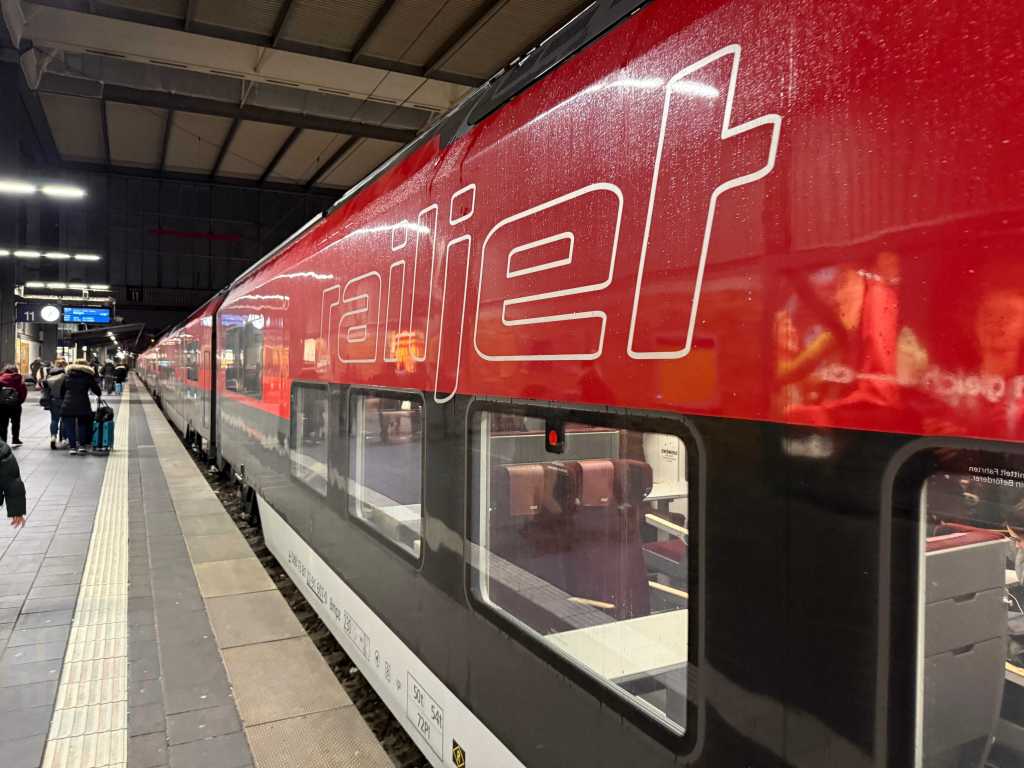
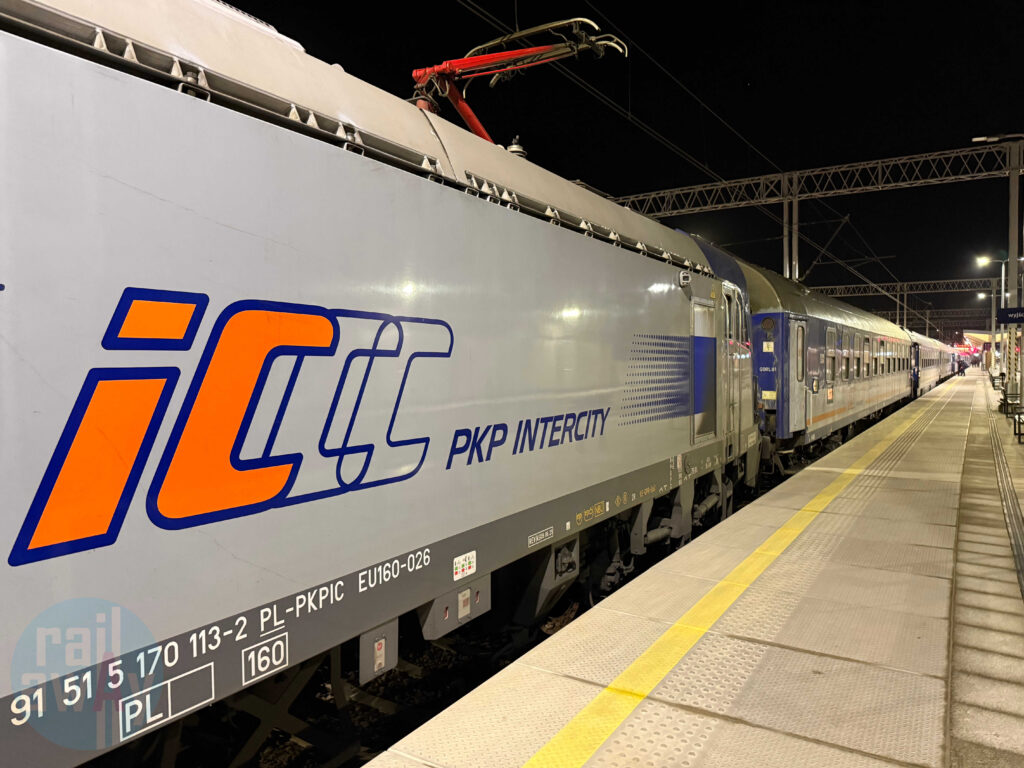
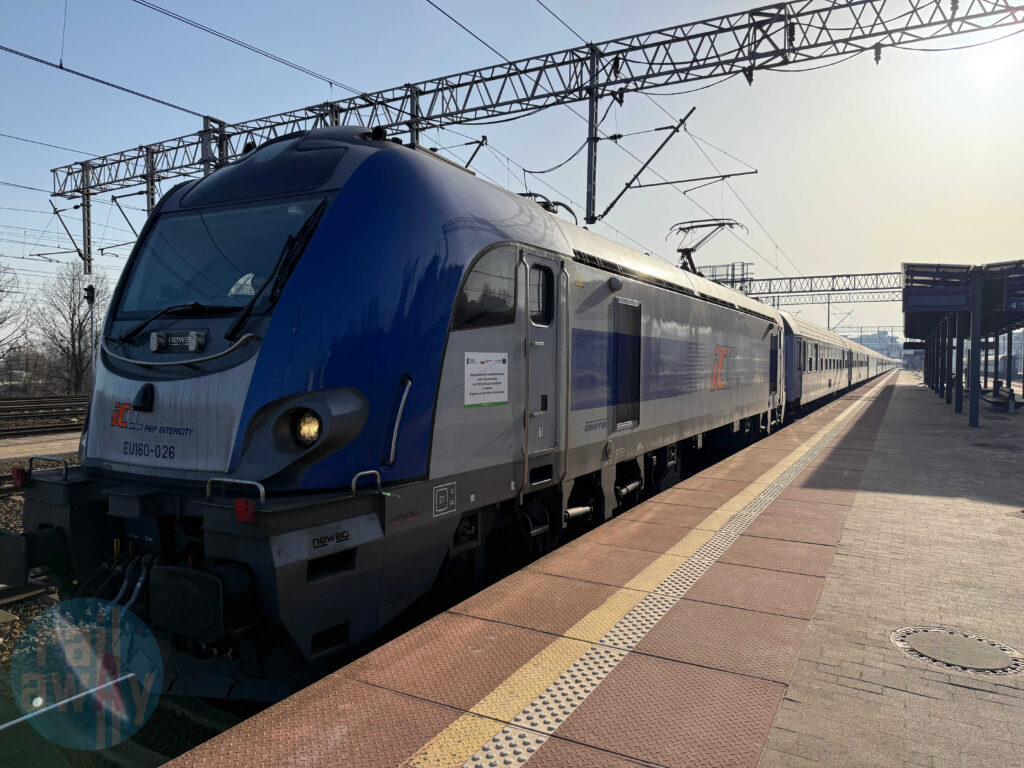
These sleeper trains are a useful way to cover the long distances across Poland, allowing passengers to travel overnight between the mountains, major cities and the coast. They are operated by PKP Intercity, Poland’s national long-distance rail operator, as part of its Twoje Linie Kolejowe (TLK) network. Translating as ‘Your Railway Lines’, the name doesn’t give much away, but TLK services are generally the most budget-friendly option for long-distance travel, often using some of the older rolling stock on the network. At the other end of the scale are the Express InterCity Premium (EIP) services, operated by modern high-speed Pendolino trains (which you can read all about here), alongside the Express InterCity (EIC) services.
I had booked a seat on TLK 35171, the overnight train from Zakopane to Gdynia, for the full journey. From there, I planned to catch another train to Hel, a seaside resort on the tip of Poland’s Hel Peninsula.
Covering 718km, the overnight journey across Poland includes no fewer than 35 stops, quite a lot for a sleeper train. As you might expect, these include a stop in Warsaw, the Polish capital, in the middle of the night. Here’s the all-important route map, showing the full journey from start to finish.
- Zakopane
- Gdynia
- Gdańsk
- Poronin
- Nowy Targ
- Maków Podhalański
- Sucha Beskidzka
- Kalwaria Zebrzydowska
- Kraków
- Krzeszowice
- Trzebinia
- Jaworzno
- Dąbrowa Górnicza
- Zawiercie
- Myszków
- Częstochowa
- Radomsko
- Piotrków Trybunalski
- Koluszki
- Skierniewice
- Żyrardów
- Warszawa
- Legionowo
- Nowy Dwór Mazowiecki
- Ciechanów
- Mława
- Działdowo
- Iława
- Prabuty
- Malbork
- Tczew
- Sopot
Onboard the Zakopane to Gdynia sleeper train
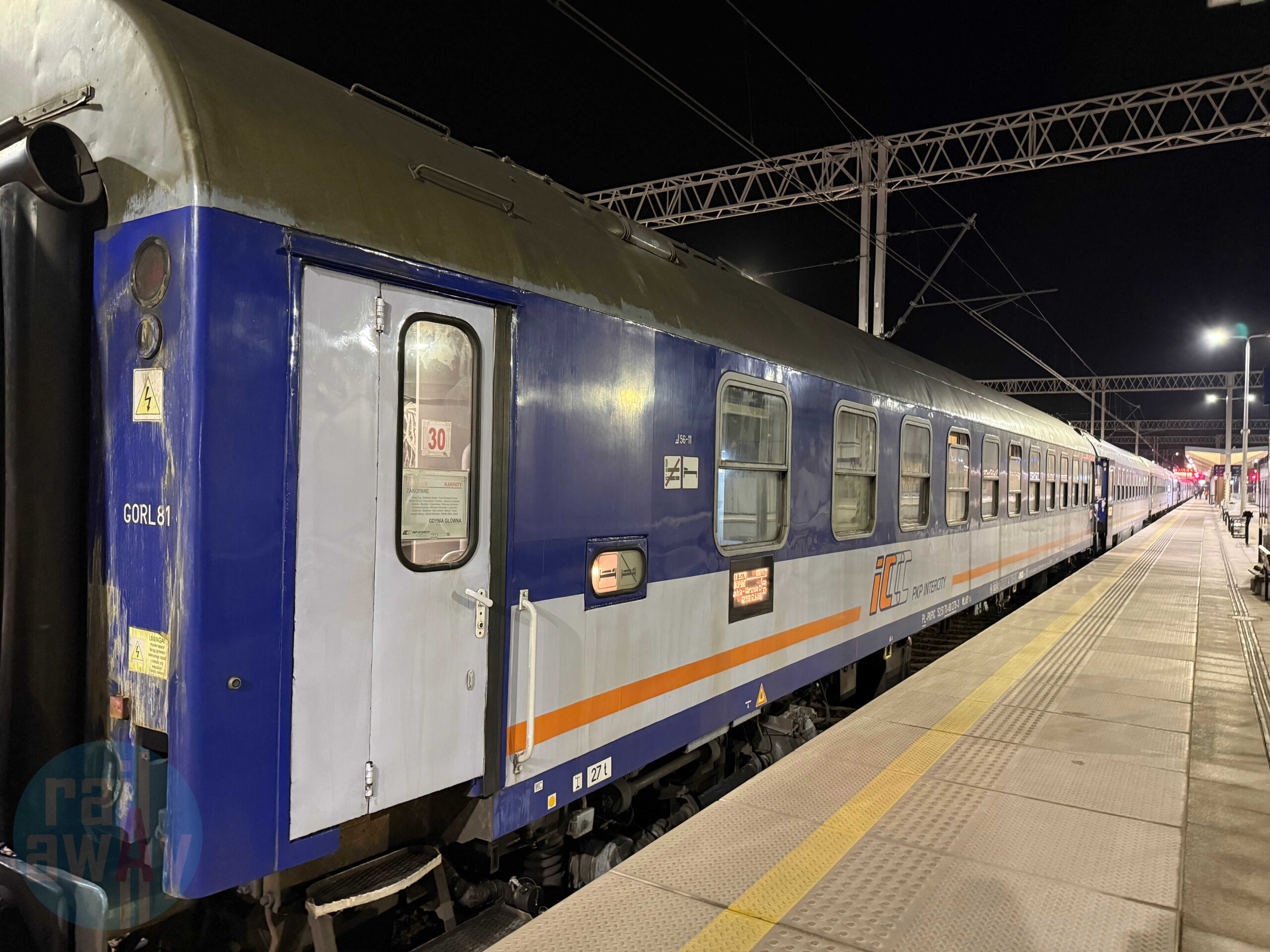
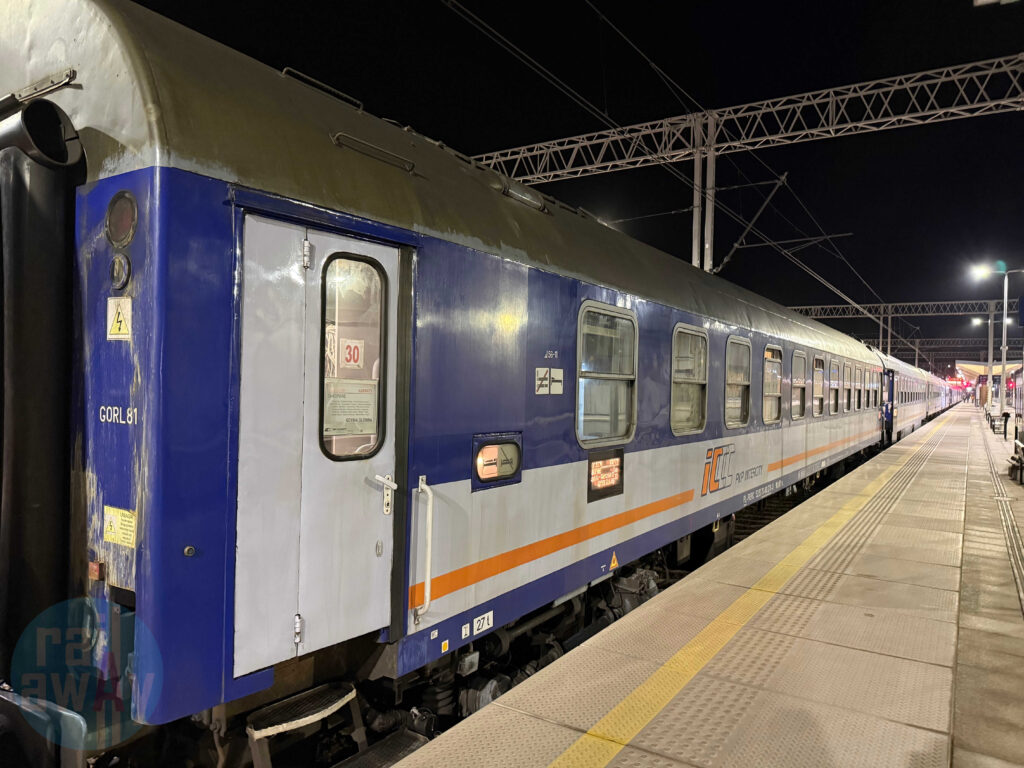
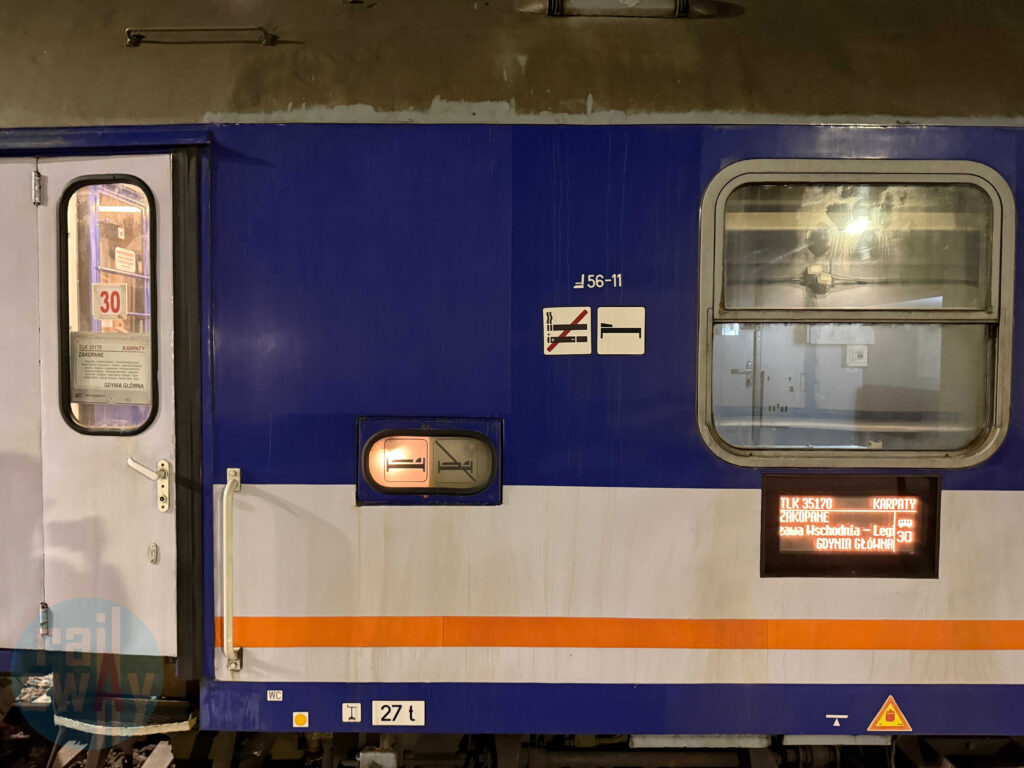
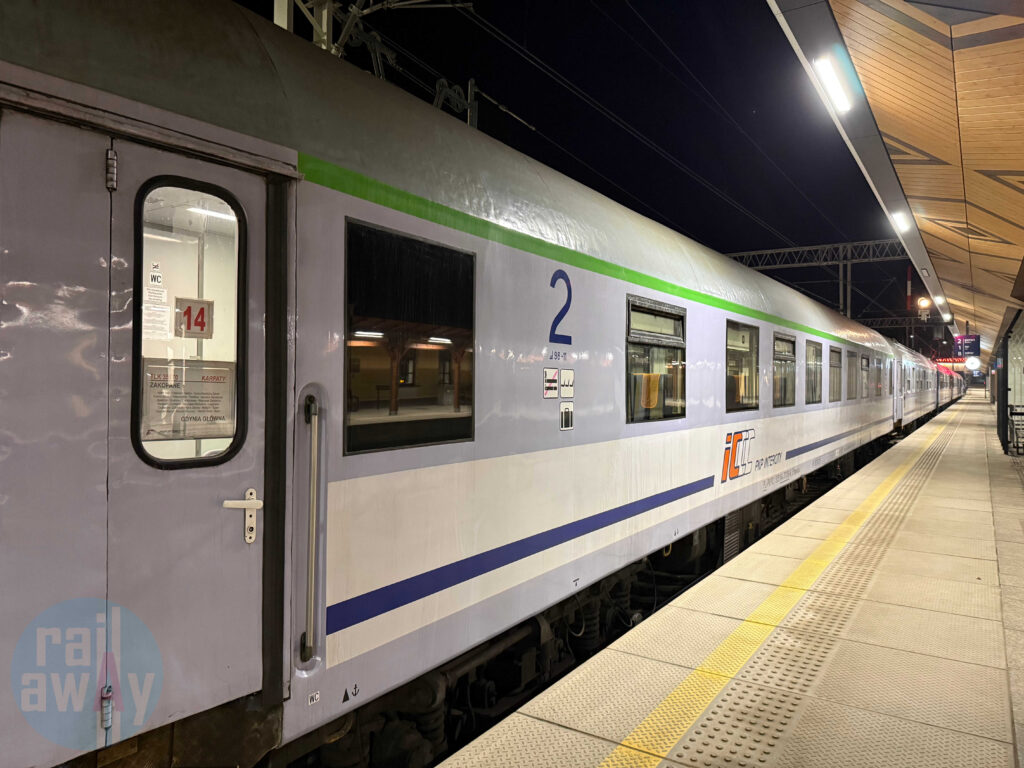
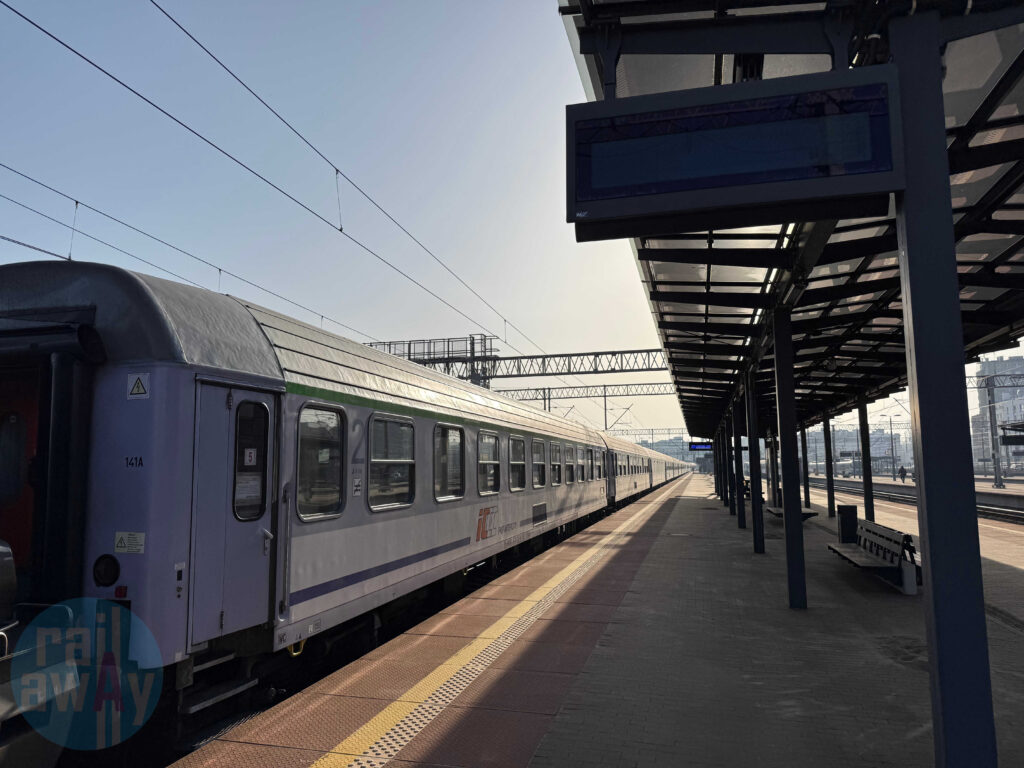
The Zakopane-Gdynia sleeper train arrived on the platform in good time prior to its 21:47 departure, with me arriving forty minutes before departure. The train features two types of accommodation, two sleeping cars and several seated carriages.
Sleeping Car
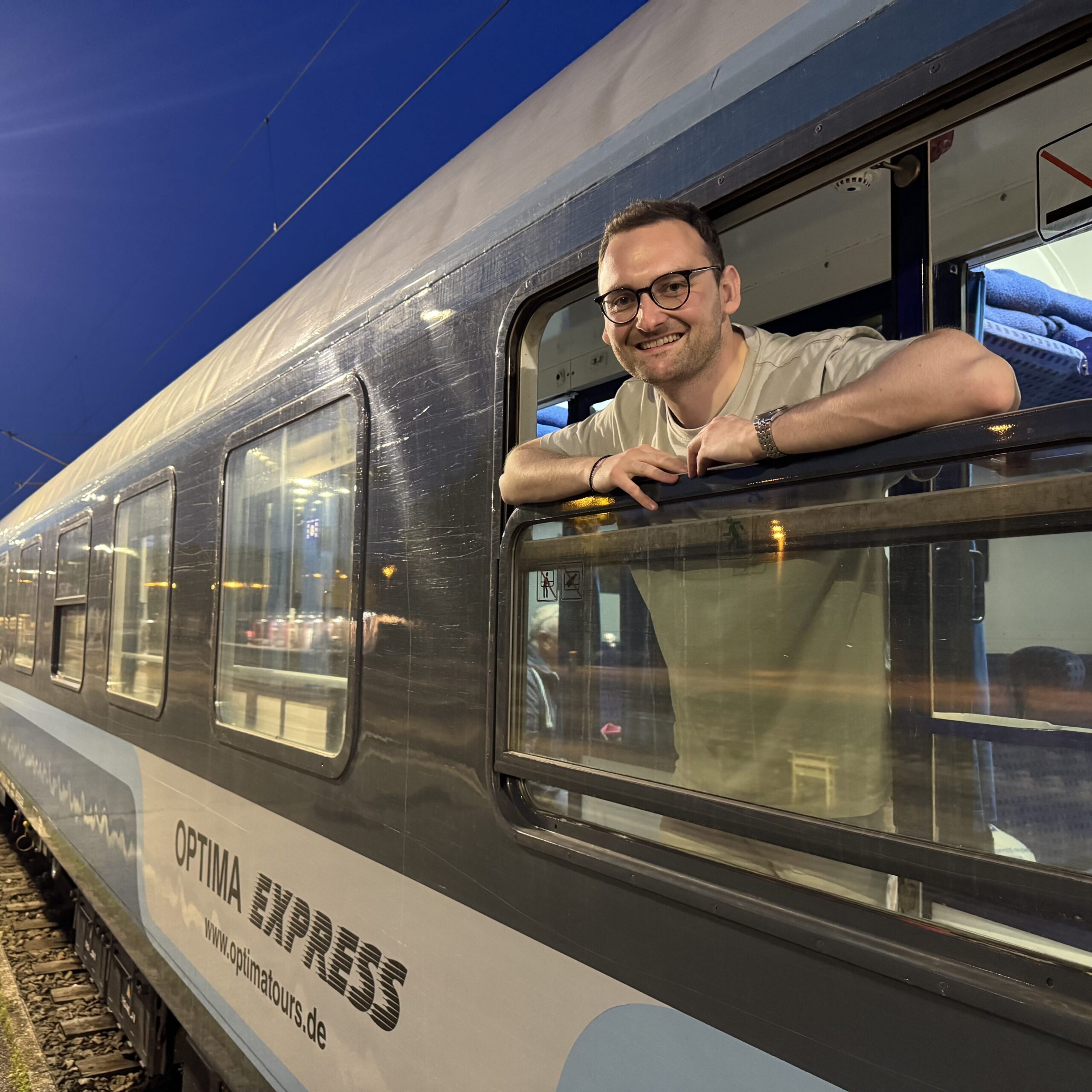
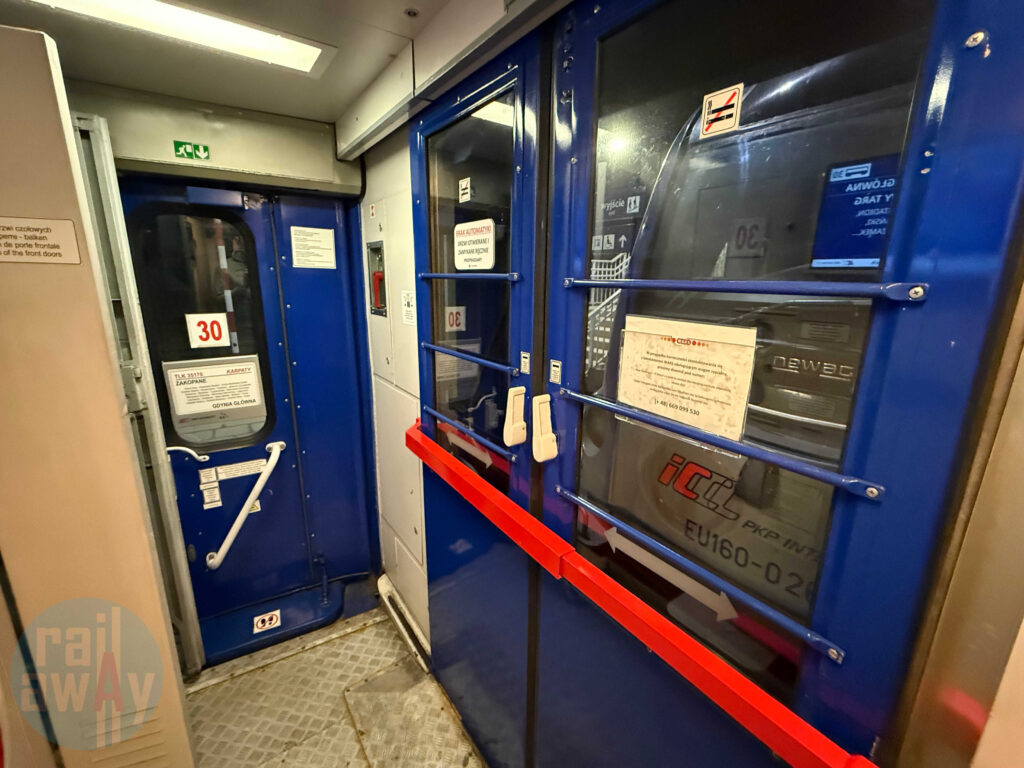
The sleeper was already boarding by the time I’d walked to the front of the train and found my carriage. The sleeping car attendant was easy to identify, dressed in a WARS-branded maroon suit and matching cap, and standing on the platform by the door. WARS provides catering and onboard services for sleeping cars on PKP Intercity trains, both in Poland and on international routes.
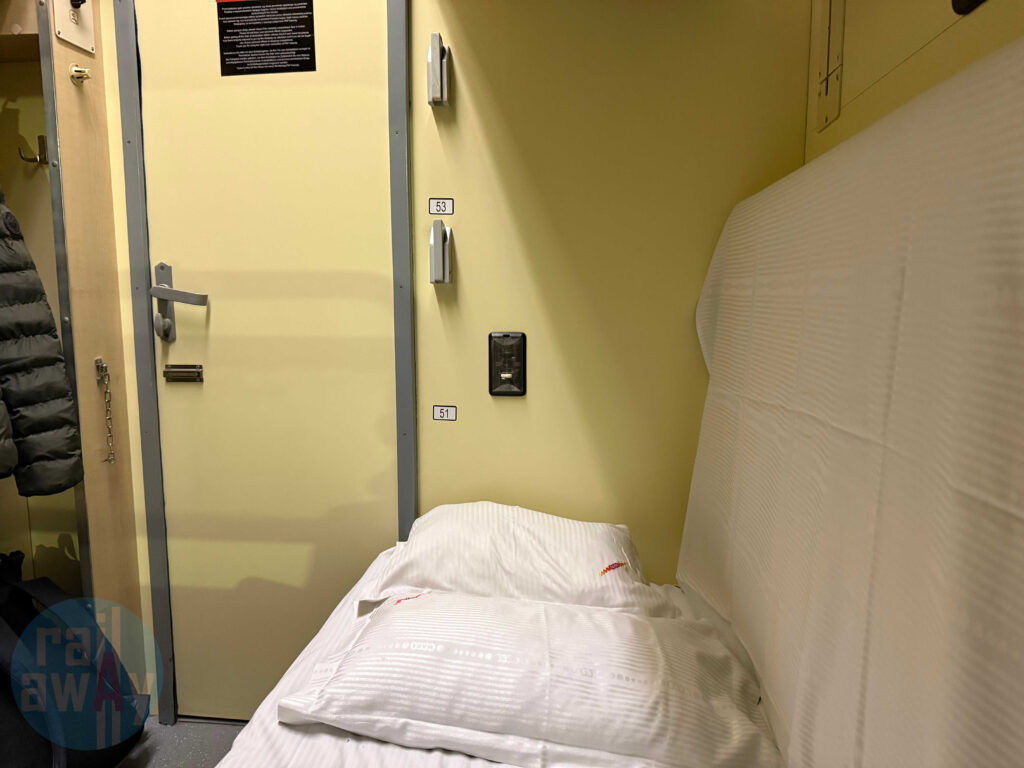
He checked my ticket and showed me to my solo-occupancy compartment, berth 51, before closing the door behind me. On many European night trains, the attendant would return to collect tickets and take breakfast orders, but this would be my only contact with him that evening.
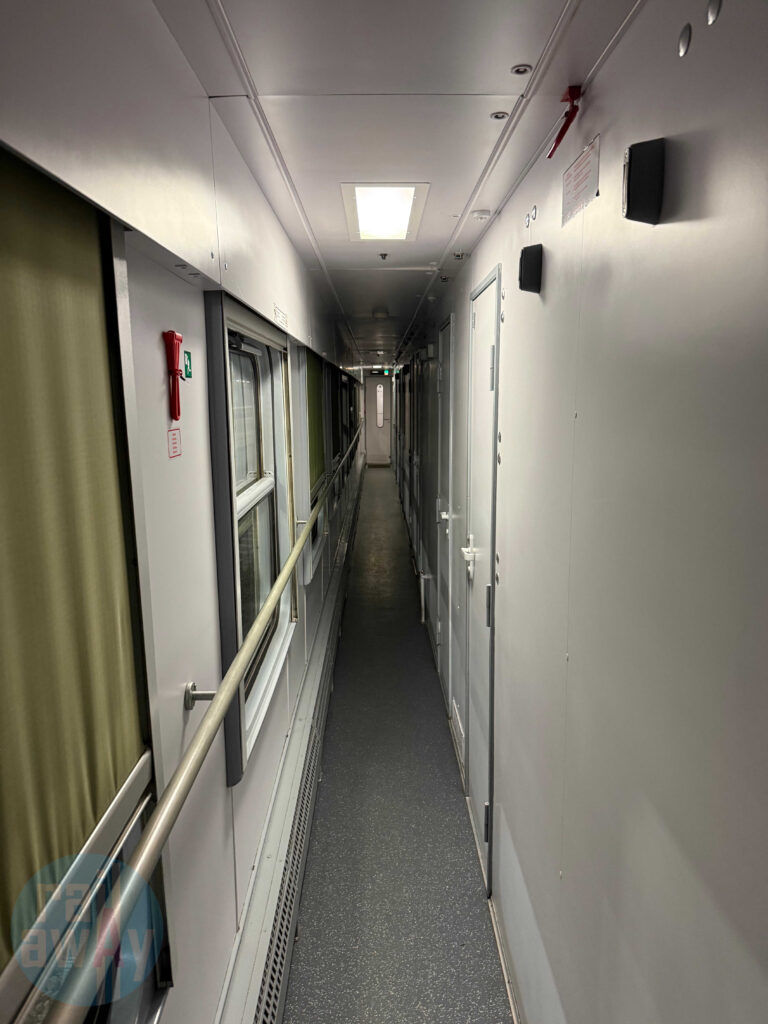
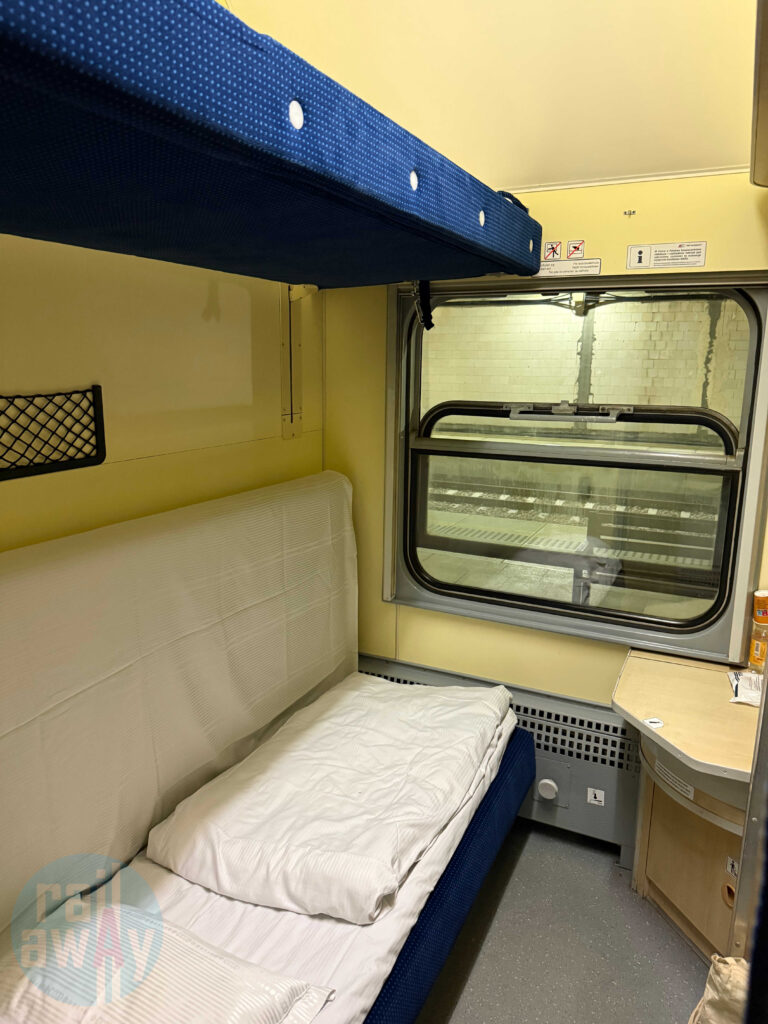
The domestic sleeping cars in Poland are relics of a bygone era, built in East Germany and delivered between 1977 and 1982. Despite their age, the carriages show relatively few signs of it, having been refurbished more recently. The interior had something of an IKEA makeover, with wood-effect cabinets giving the compartment a more modern, functional feel.
Comfort wasn’t necessarily the main priority, but the compartment had everything needed for the journey. The bed, made up with WARS-branded bedding, proved comfortable enough to allow for a great night’s sleep, despite the train’s frequent stops throughout the night. I woke just before reaching Gdańsk, one of the major cities in northern Poland.
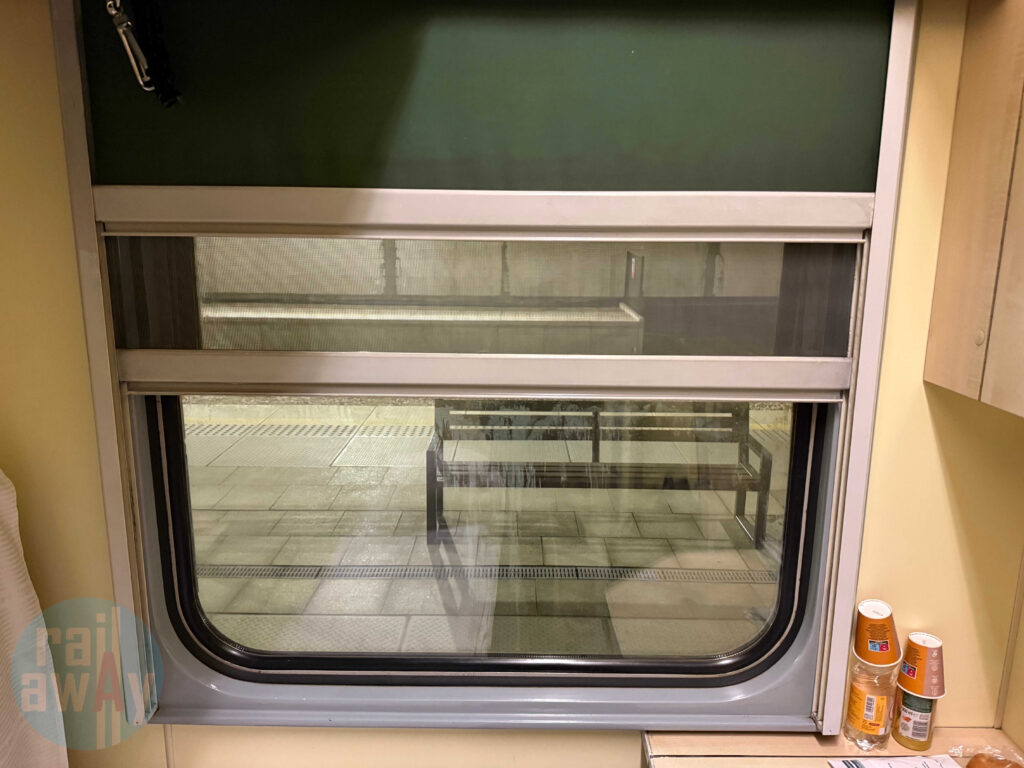
The compartment featured a sink and an opening window for ventilation, while a shared toilet was located at the end of the carriage. Each compartment could accommodate up to three passengers, although it was also possible to book one for solo occupancy, as I had done.
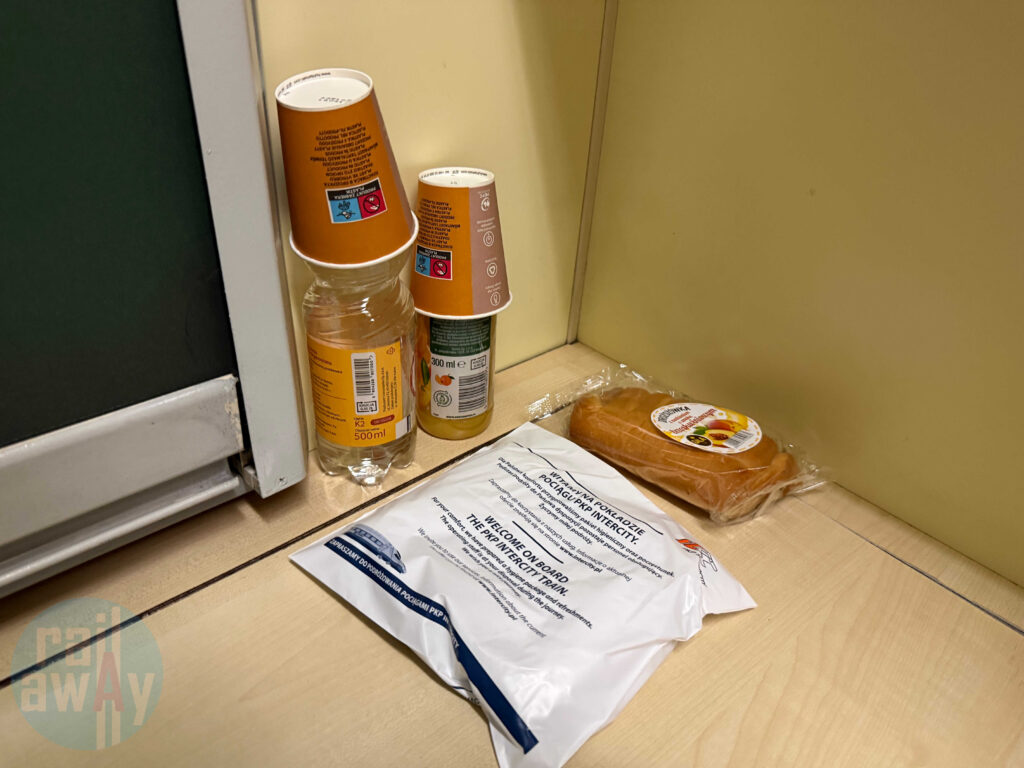
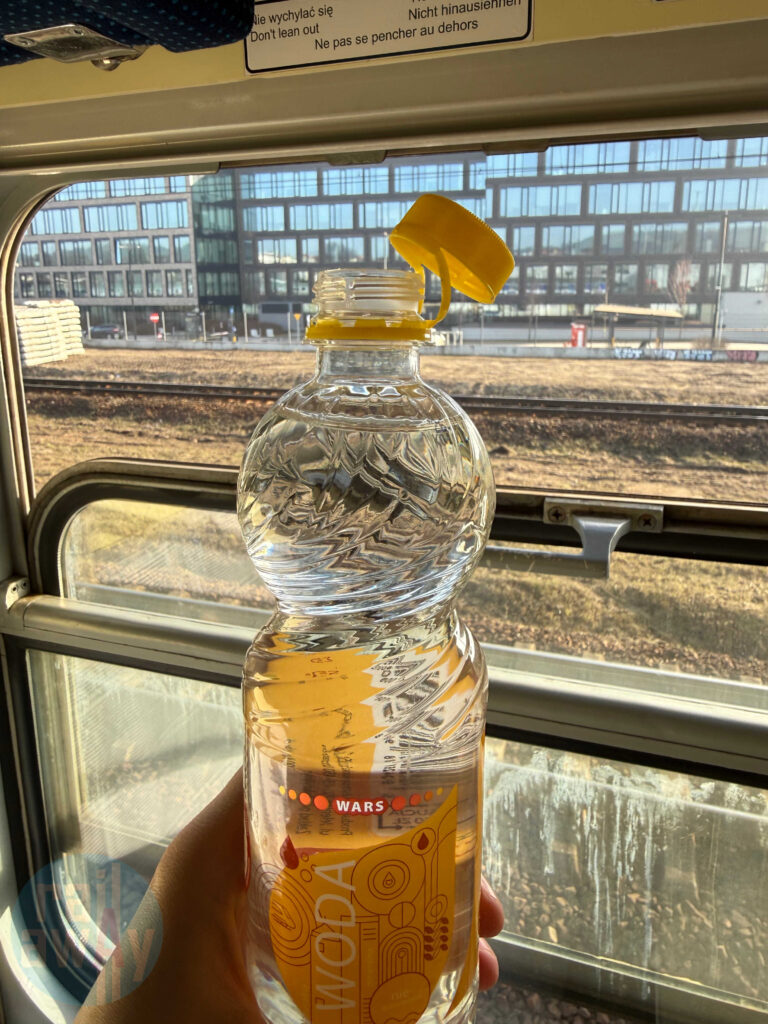
Breakfast was already waiting in the compartment, consisting of a bottle of orange juice and a soft croissant filled with jam. A complimentary bottle of water was provided too. I even took a picture of it, as I was fairly sure the issue with attached bottle caps had finally been solved: this one allowed full access to the bottle opening without the cap getting in the way!
In the morning, passengers were also offered a choice of tea or coffee.
Seated Car
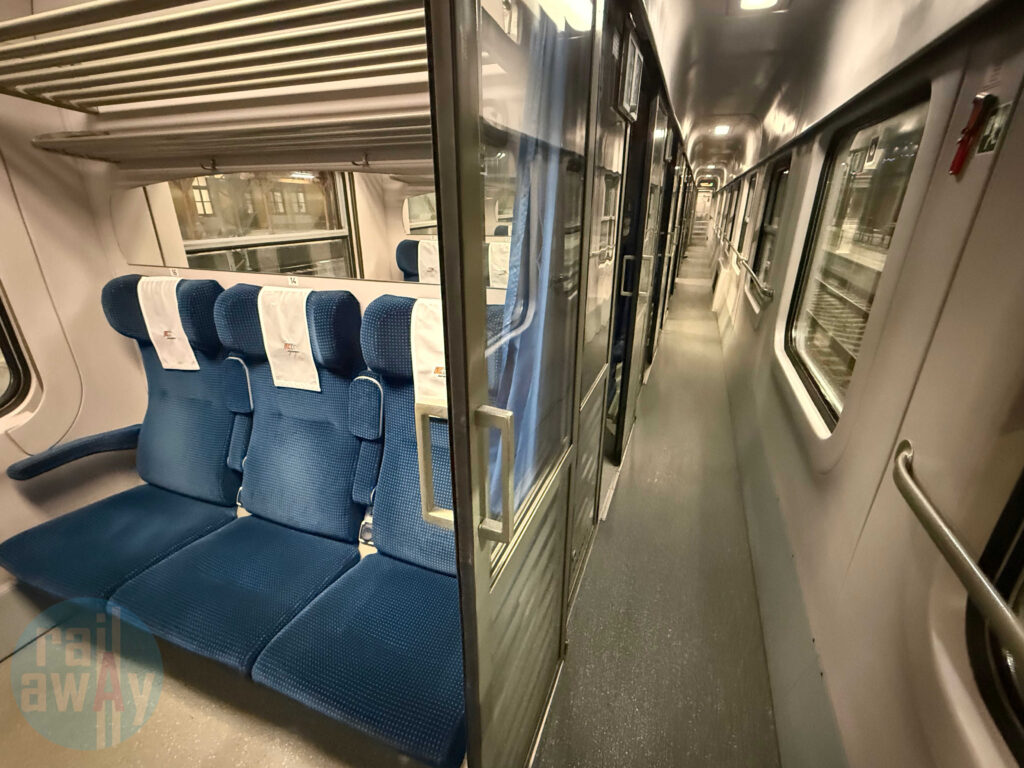
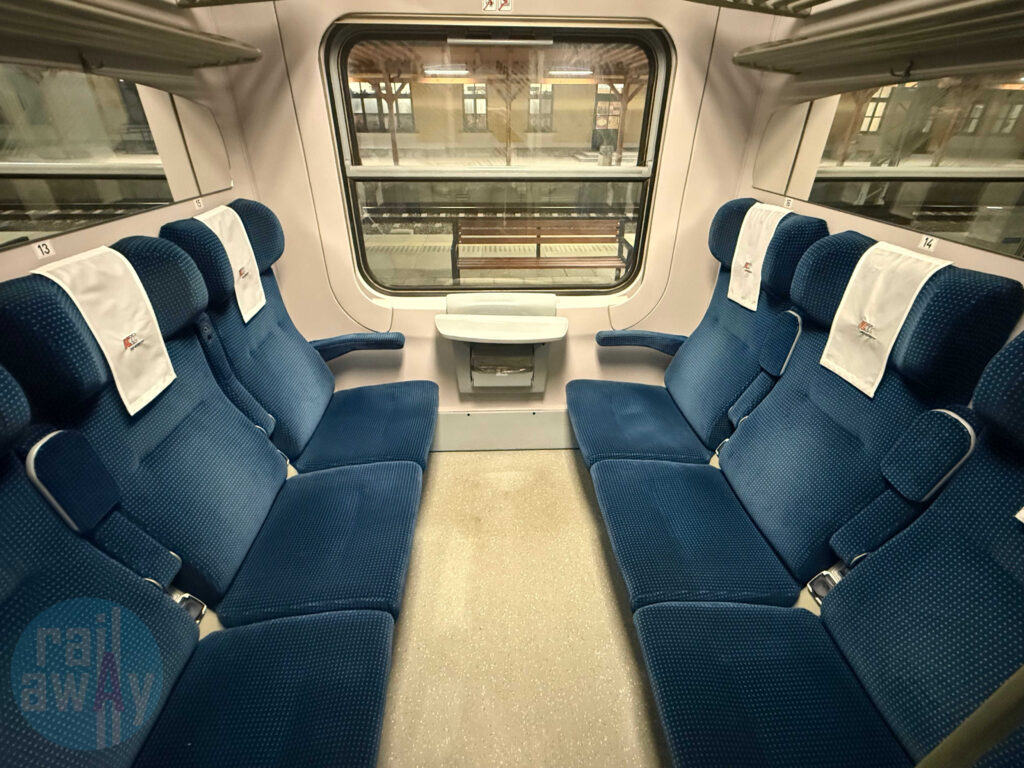
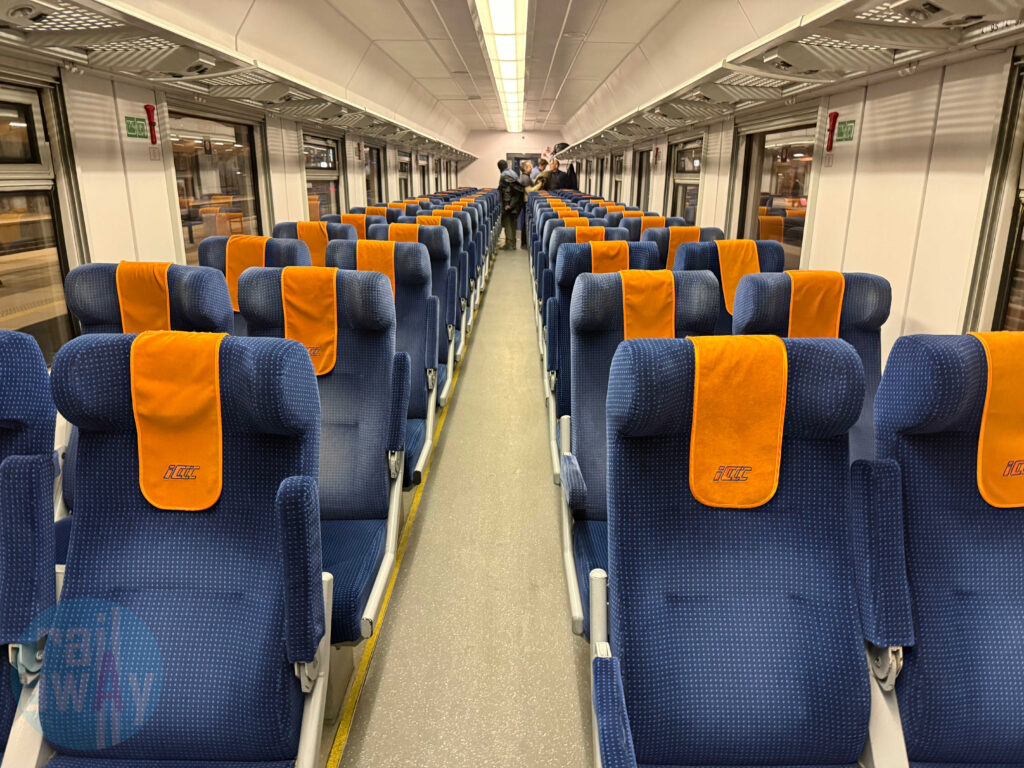
As with most InterCity trains in Poland, the seated carriages offer a choice between traditional compartments, seating up to six or eight passengers, and open-plan carriages with seats arranged two abreast. Depending on the carriage, seating is either airline-style or arranged around tables. The coaches have been modernised in recent years, with most featuring power sockets.
Despite being part of an overnight train, the seated carriages are much the same as those used on daytime services. With upright seats, frequent stops throughout the night and the lights remaining on, getting a decent night’s sleep would be a challenge. They offer a budget-friendly way to cover long distances, but if you want to arrive feeling refreshed, booking a sleeping compartment is likely to be the better option.
Arrival in Gdansk and Gdynia
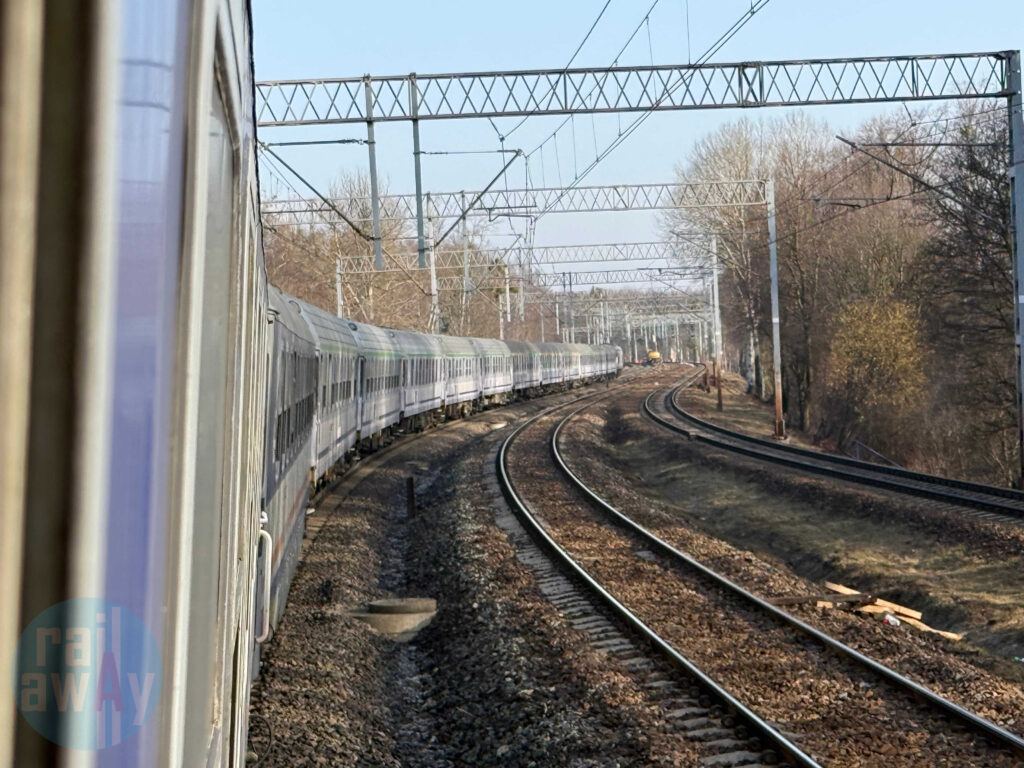
As the train travelled further north, the mountainous scenery around Zakopane gave way to the much flatter landscapes of northern Poland. The journey wasn’t quite as dramatic in terms of scenery, although passing through Gdańsk offered a chance to admire some of the city’s architecture from the train.
Gdańsk is one of Poland’s most historic cities, known for its colourful buildings, waterfront setting and maritime heritage. It was an important trading port for centuries and remains one of the country’s best-known destinations, with its historic centre attracting visitors from across Europe.
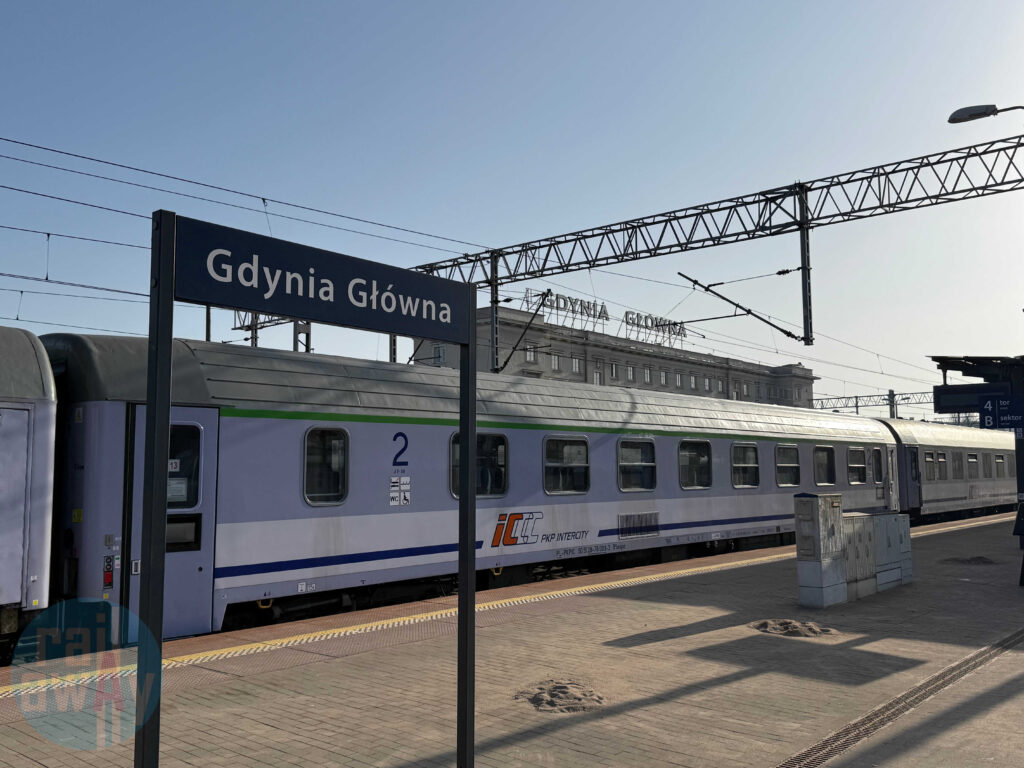
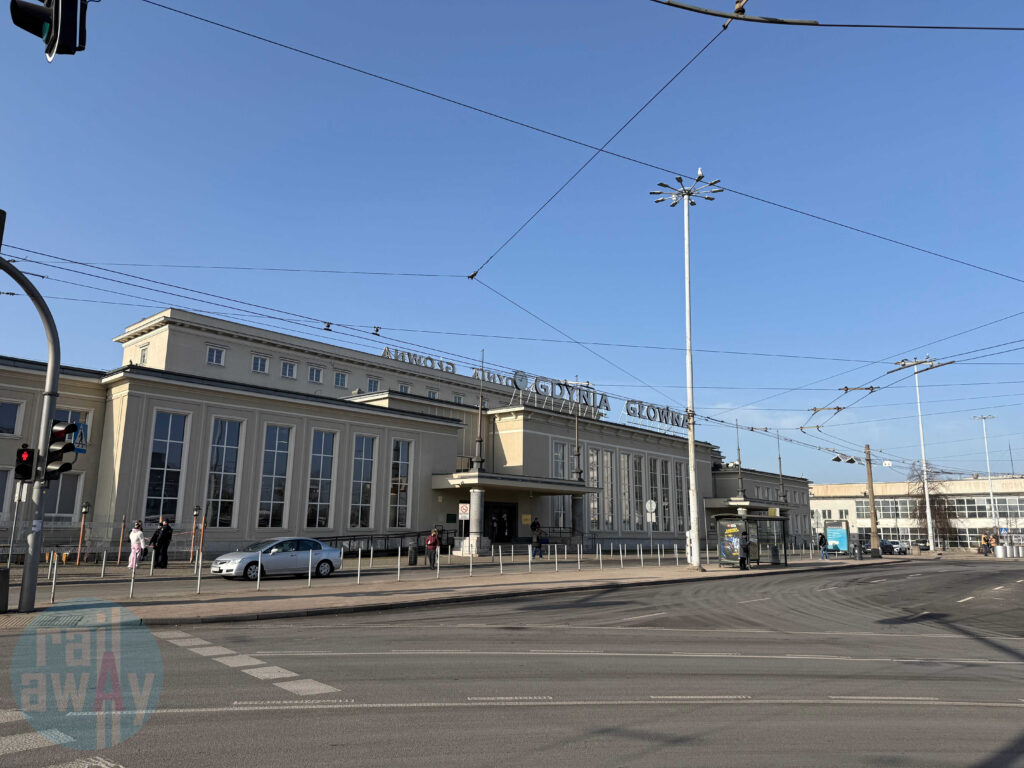
Further along the coast lies Gdynia, the final destination of the sleeper train. Unlike Gdańsk, which has a history stretching back centuries, Gdynia developed into a major port city largely during the twentieth century. Together with nearby Sopot, the two cities form part of the Tricity area, an important urban centre on Poland’s Baltic coast.
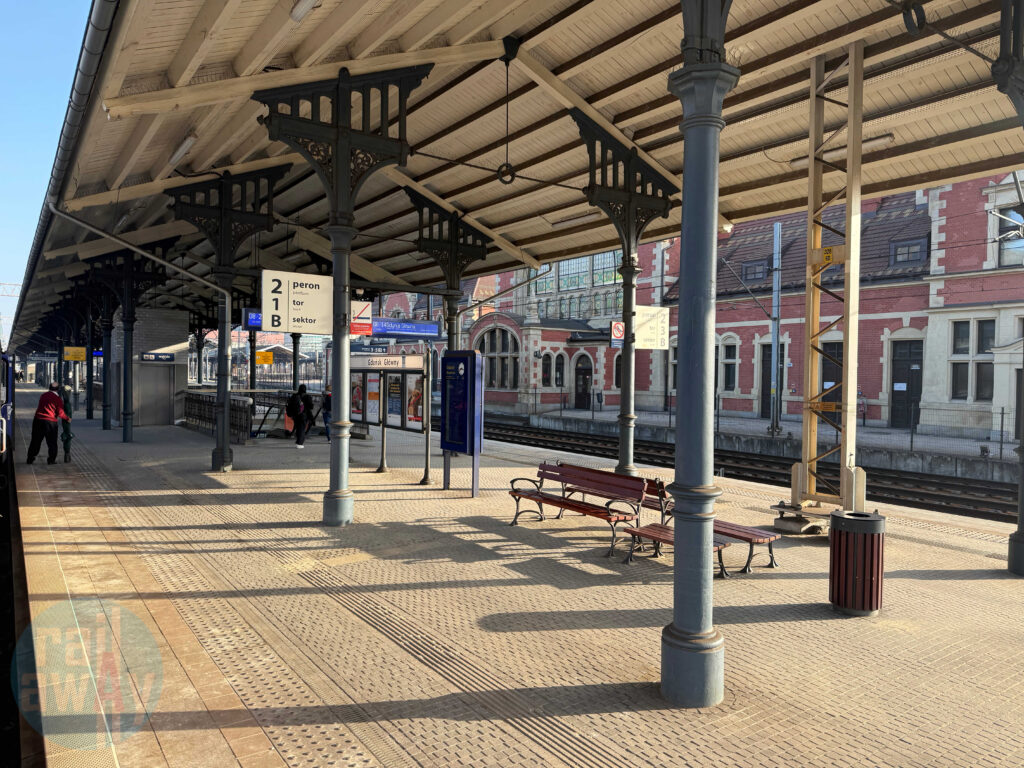
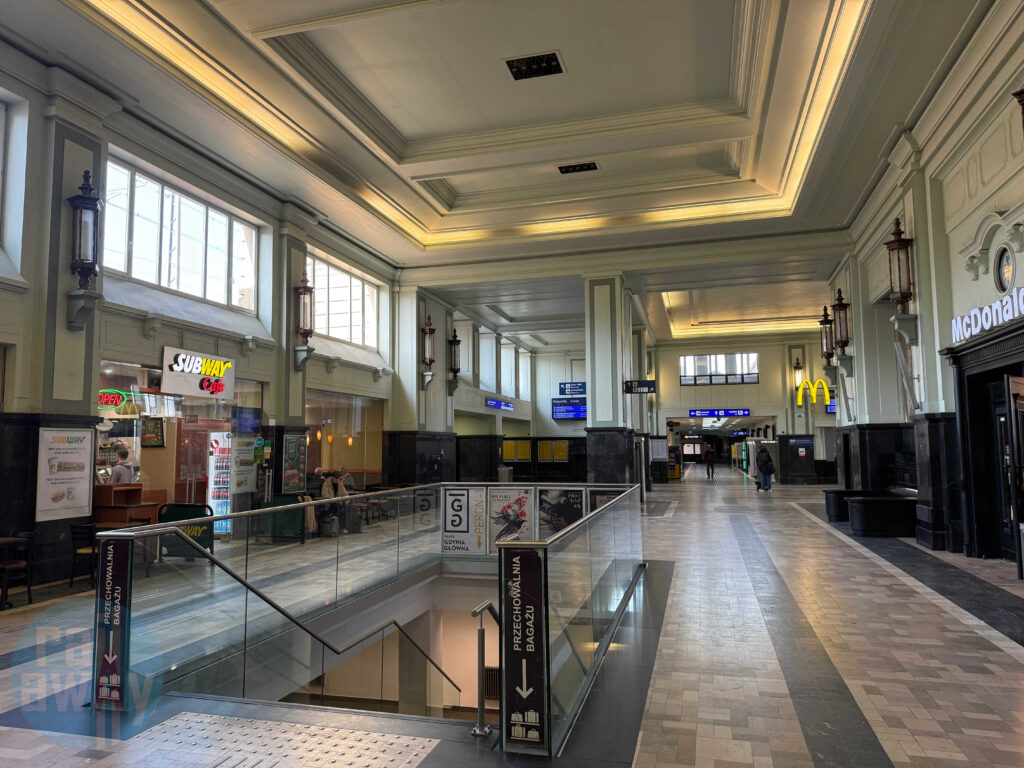
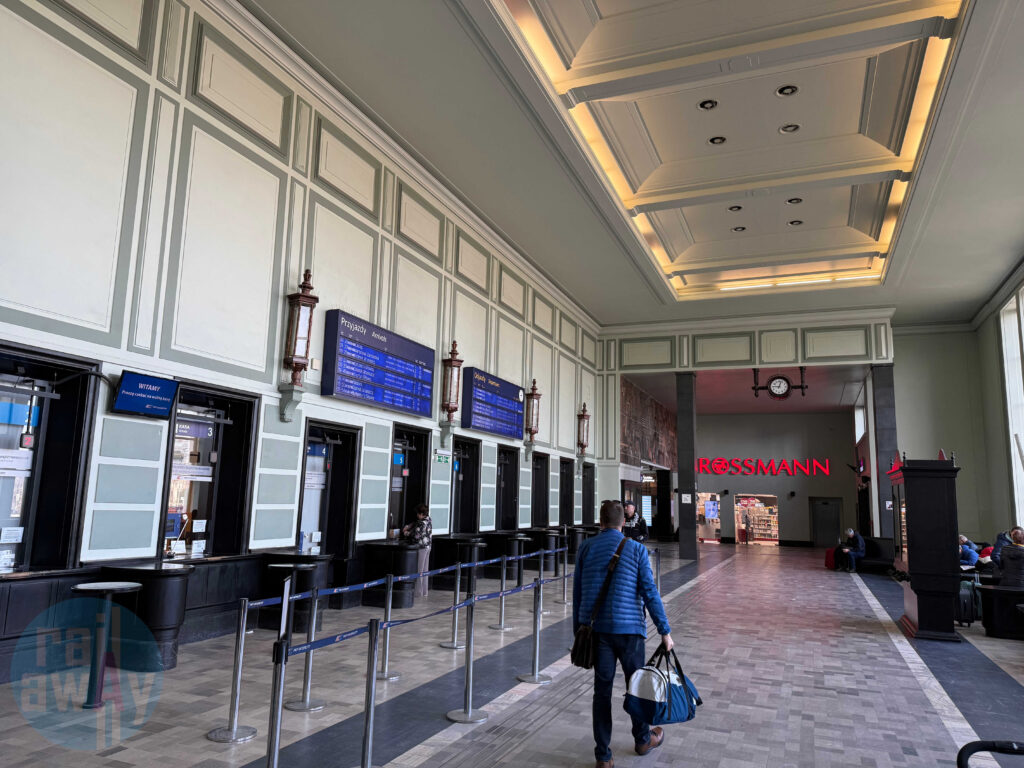
Arriving in Gdynia brought the overnight journey from the Tatra Mountains to an end. After travelling 718km through the heart of Poland, I had crossed the country from its mountainous south to its flat northern coastline. There was still more of the Baltic coast to explore, however, as my next train would take me further along the Hel Peninsula.
How to book the Zakopane to Gdynia sleeper train
Tickets for the Zakopane to Gdynia sleeper train can be booked online through PKP Intercity, Poland’s national long-distance rail operator. You can book directly on their website here. Tickets can be printed on A4 paper, making it easy to have a paper copy ready for your journey.
| Journey Leg | Sleeping Car | Seated Car |
| Zakopane to Gdynia | Solo compartment from 430 PLN each Double compartment from 260 PLN each Triple compartment from 180 PLN each | First Class seat from 58 PLN each Second Class seat from 58 PLN each |
Explore More with Rail-Away
Whether you’re planning your next adventure or simply enjoy discovering remarkable rail journeys, explore more travel inspiration, practical guides and real journey experiences from across Europe.
Be inspired by real Journey experiences
Discover real rail adventures across Europe and beyond, from iconic routes and night trains to hidden gems.
Guides to Get You On Track
Browse practical guides, inspiring itineraries and expert resources to help you explore Europe by train.
Watch the Journey Unfold
Experience Europe’s most spectacular rail journeys through our videos and witness stunning scenery.
Plan Your Perfect Rail Trip
Need a helping hand? Get personalised advice and support to create your perfect European rail adventure.
Conclusion
The overnight train from Zakopane to Gdynia is a useful way to travel across Poland, connecting the mountains in the south with the Baltic coast in the north while saving the cost of a night’s accommodation. The sleeping car was certainly showing its age, but it had everything I needed for a comfortable journey, and I arrived ready to continue exploring the coast.
While Zakopane is known for its mountain scenery and local speciality, oscypek, I can’t say I made the most of the latter. The smoked sheep’s cheese looked interesting, but I wasn’t sure the rest of the carriage would appreciate me bringing its rather distinctive smell onboard!
It’s not the most spectacular rail journey in terms of scenery, particularly once the mountains give way to the flatter landscapes of northern Poland. However, if you’re looking to cover a long distance overnight, it’s a practical option that links two very different parts of the country. Arriving in Gdynia also puts you in a good position to continue by train to Hel, a seaside resort at the tip of the Hel Peninsula.
This journey experience was first published in October 2026.
See more from Rail-Away

Join 500+ travellers using our expert free train guides!

Travel Europe by Train – Smarter and Easier
Get great routes, fare tips and tricks from our FREE insider guides
Get instant access to:
✓ 3 curated European rail itineraries for your next trip and be inspired
✓ Simple booking and money saving guide and book with confidence
✓ Night train tips and what to expect – optimise your time and experience