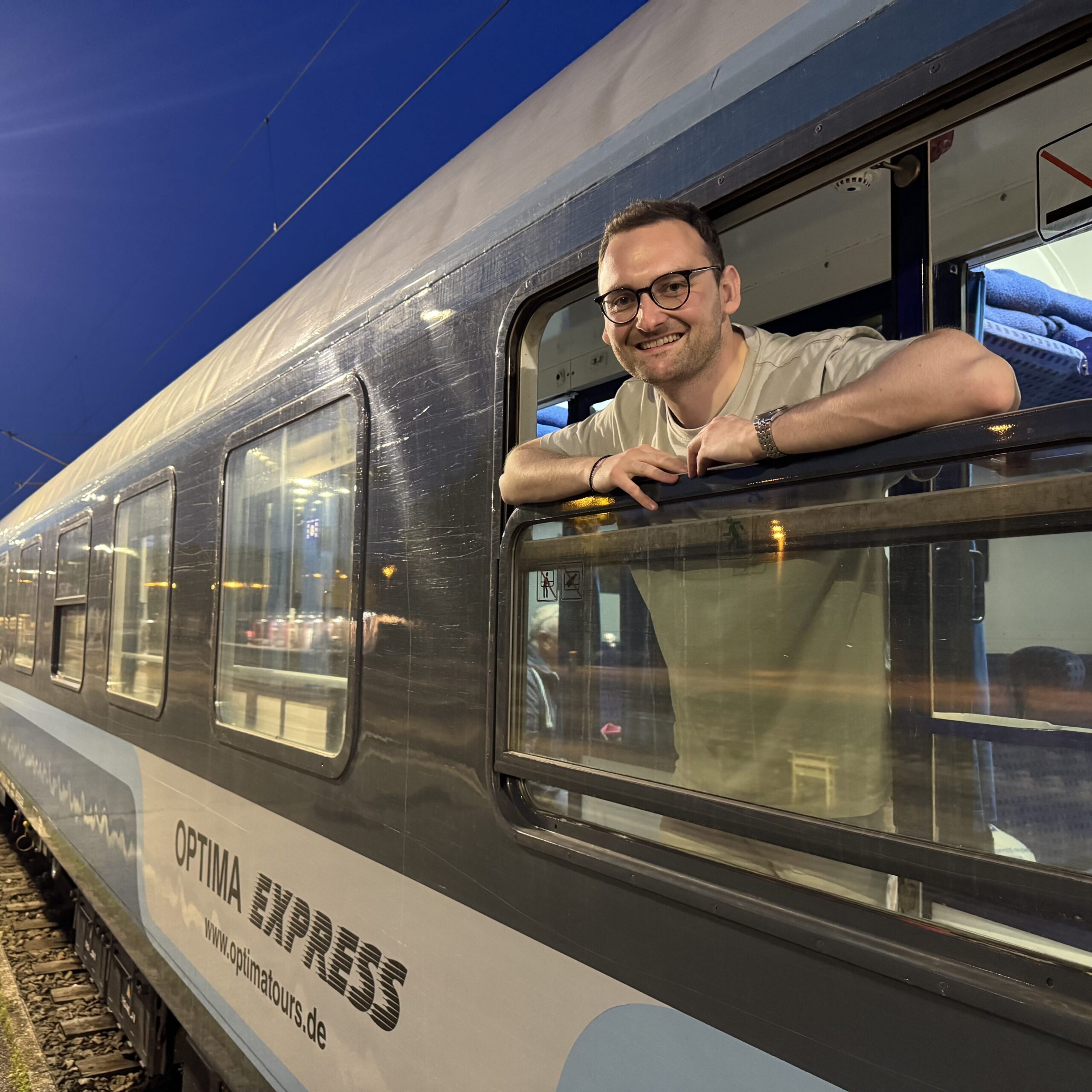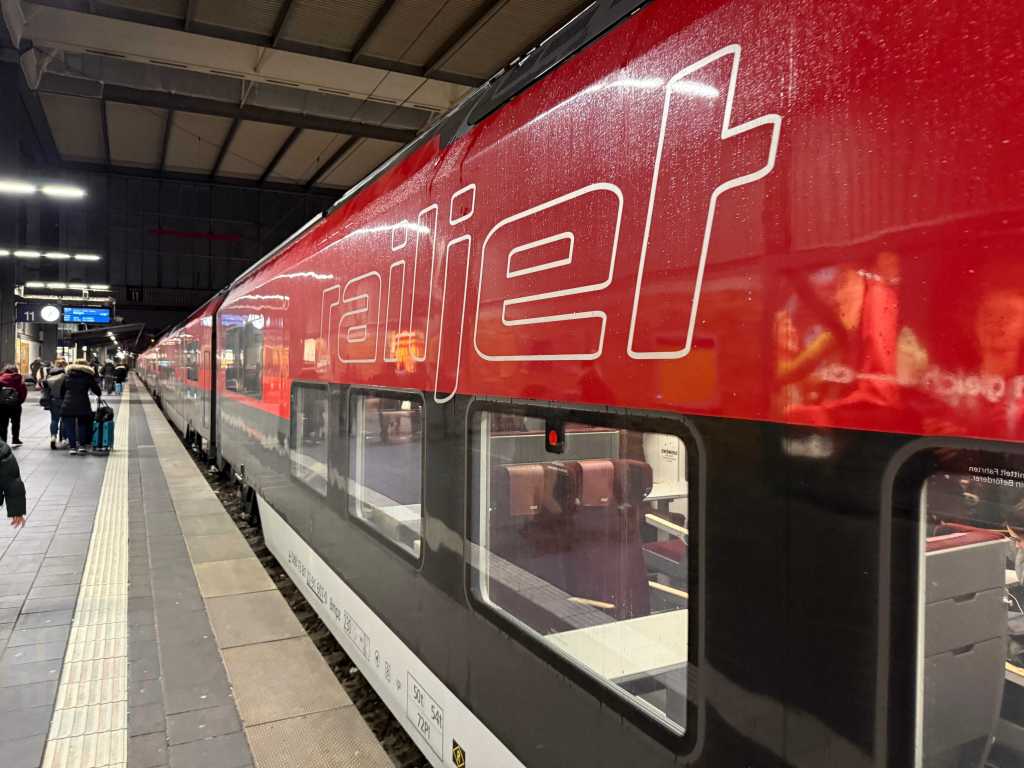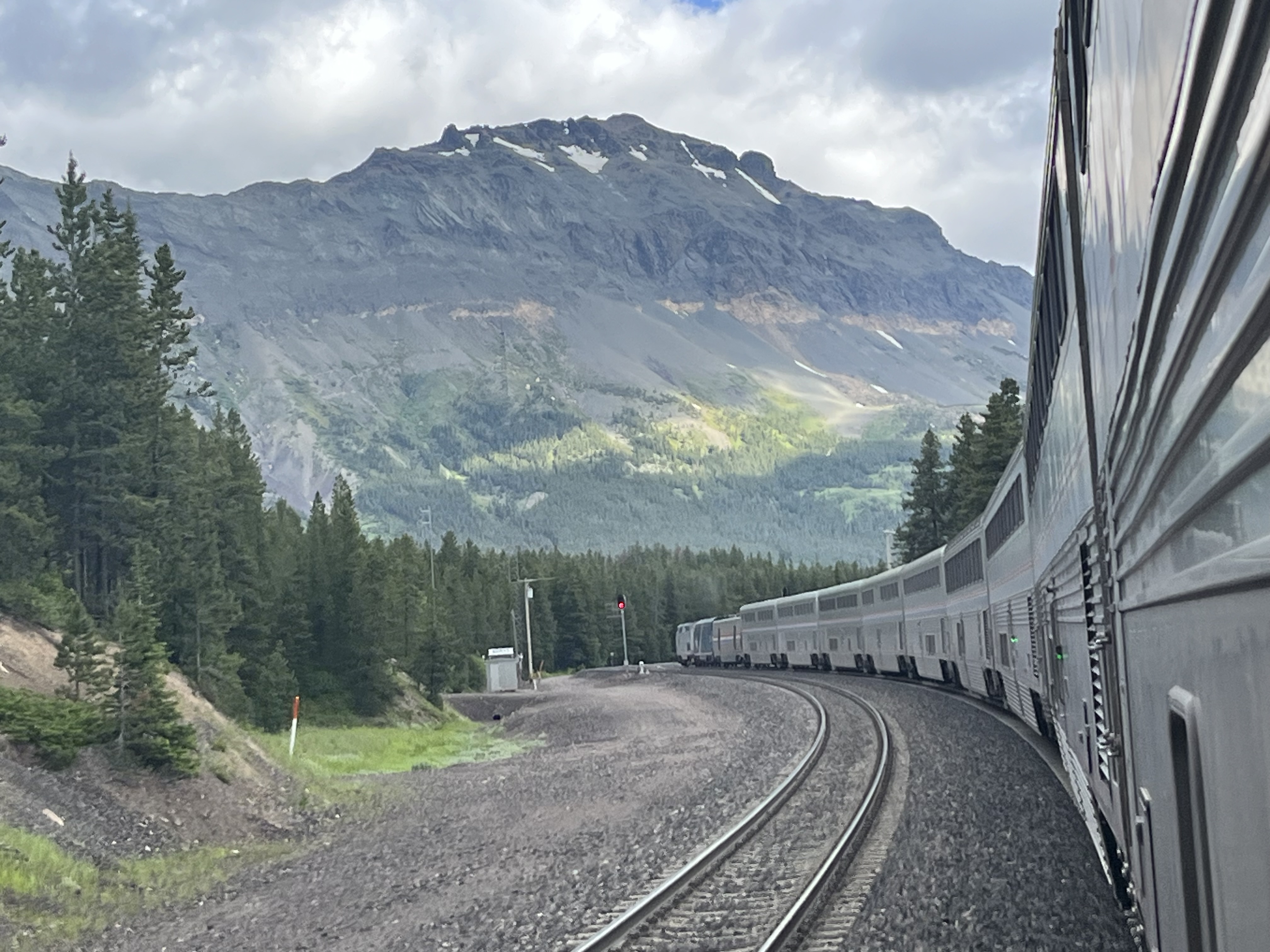
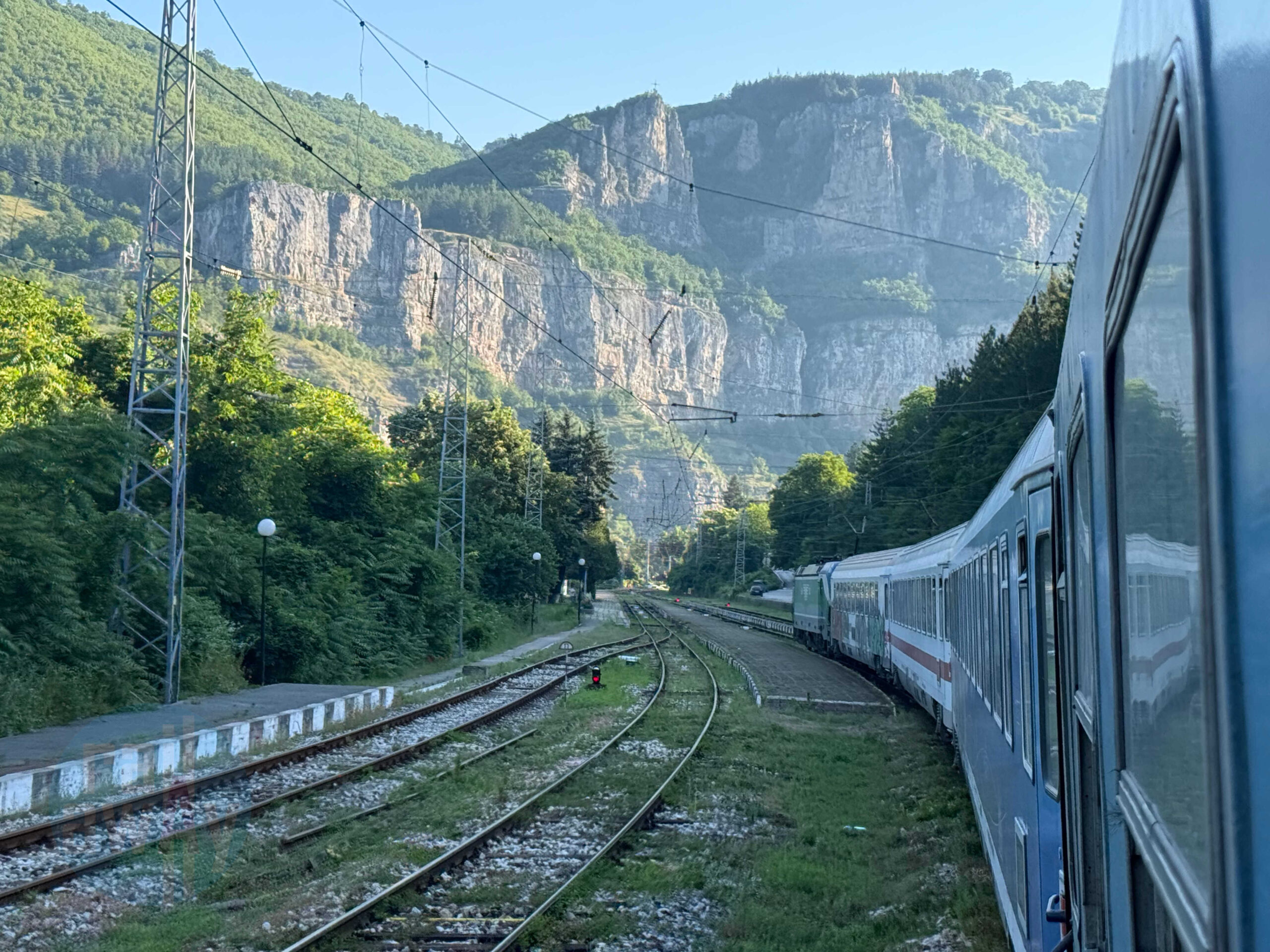
For a few short months each summer, a single carriage links the capitals of Bulgaria and Romania, carrying passengers on one of Europe’s most authentic cross-border rail journeys. Travelling through the dramatic Iskar Gorge, across the vast plains of northern Bulgaria and over the Danube into Romania, this is a journey that feels wonderfully untouched by time.
The direct service from Sofia to Bucharest only operates during the summer months, when demand for cross-border travel is at its highest. Outside the season, travellers usually need to change trains at least twice, making this single-carriage train a rare and welcome convenience.
Comfort, however, isn’t high on the agenda. The ageing Eastern Bloc-era carriage is delightfully old school and the service is notorious for delays, meaning the scheduled 10-hour journey to complete the 383 kilometre trip can easily become much longer – as it did on my trip. We’re no stranger to endurance journeys at Rail-Away. By the way, if you’d like to see another one, take a look at our journey experience of the trip from Cluj Napoca to Budapest here.
Yet that is all part of the experience. The full-of-character carriage offers a nostalgic glimpse into Eastern Europe’s railway past, adding to the sense that this is more than simply a journey between two capitals – it’s a timeless Balkan rail adventure.
Before delving into my experience aboard the Sofia-Bucharest train, here’s the all-important route map.
A memorable journey from Sofia to Bucharest
Connecting to Sofia Sever
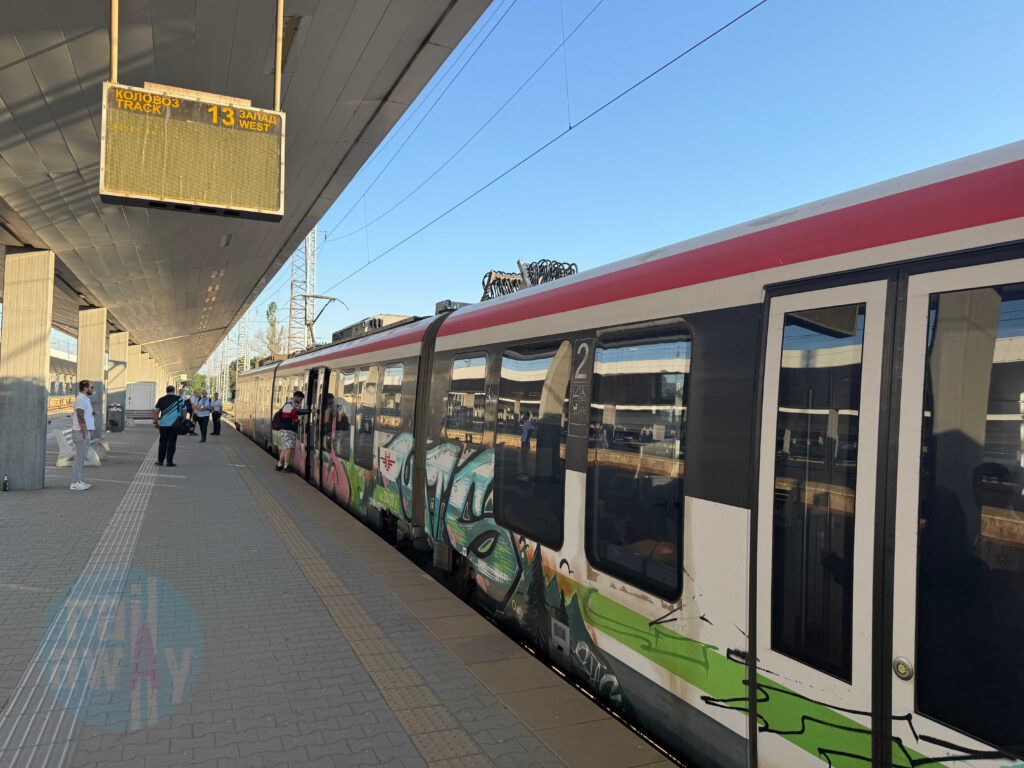
Due to ongoing engineering work, the Sofia–Bucharest train was temporarily departing from Sofia Sever (София Север in Cyrillic), the city’s northern station. To bridge the gap, BDŽ provided a shuttle train from Sofia Central, departing promptly at 07:00 in the morning.
The four-car diesel multiple unit was packed, struggling to accommodate the passengers connecting with the international service. Fortunately, the journey to Sofia Sever took just five minutes.
Despite the short journey, I still managed to make myself unpopular. Slightly bleary-eyed after a 6:00 am alarm and clutching a takeaway coffee, I badly misjudged the step down into the train. Coffee promptly splashed across the vestibule floor. A fellow passenger was quick to voice her disapproval – an encounter that certainly woke me up faster than the caffeine would have!
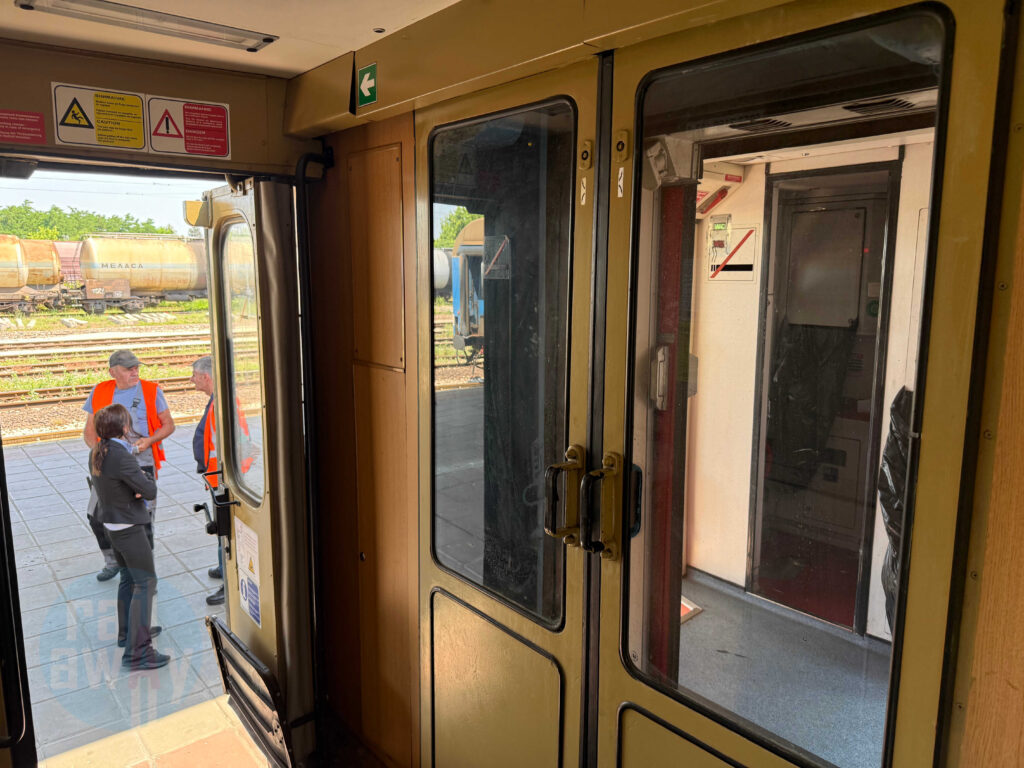
At Sofia Sever, our onward train was waiting on the opposite platform, reached not by a footbridge or subway, but simply by walking across the tracks – a reminder that railway operations in this part of Europe can still feel refreshingly old school.
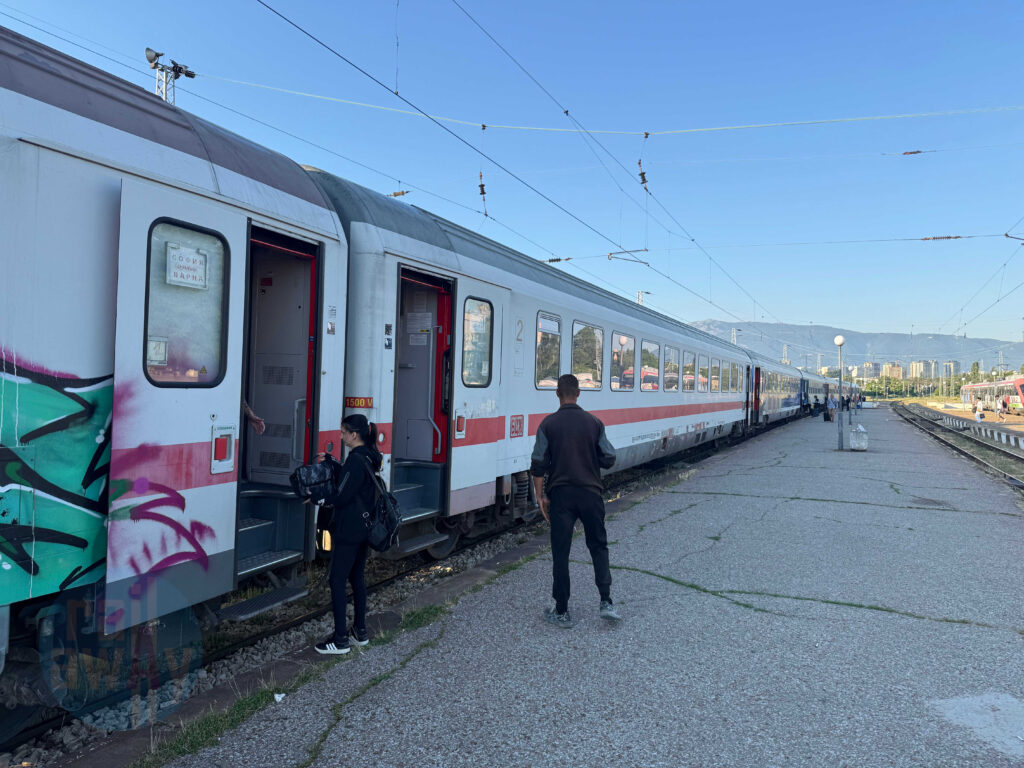
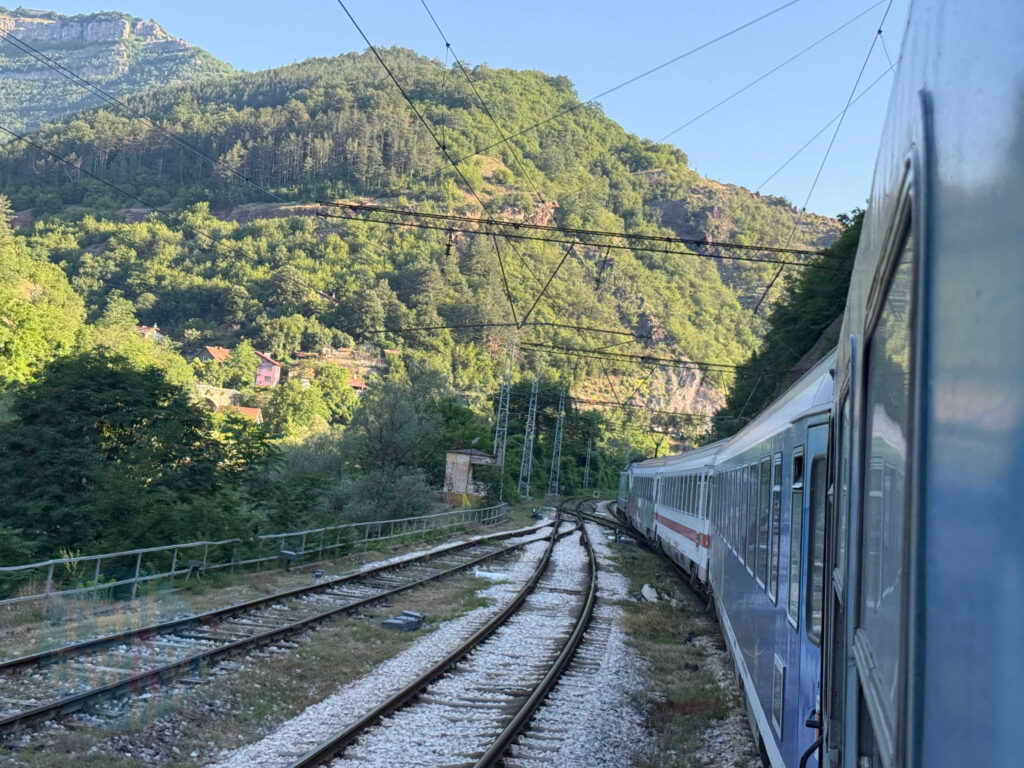
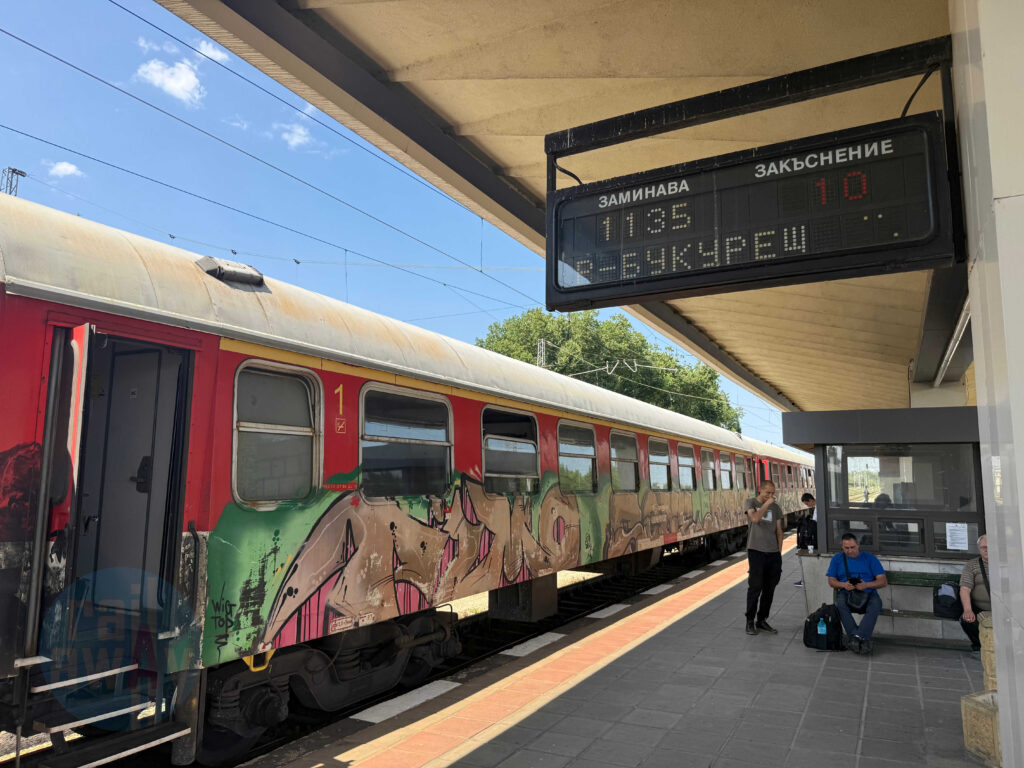
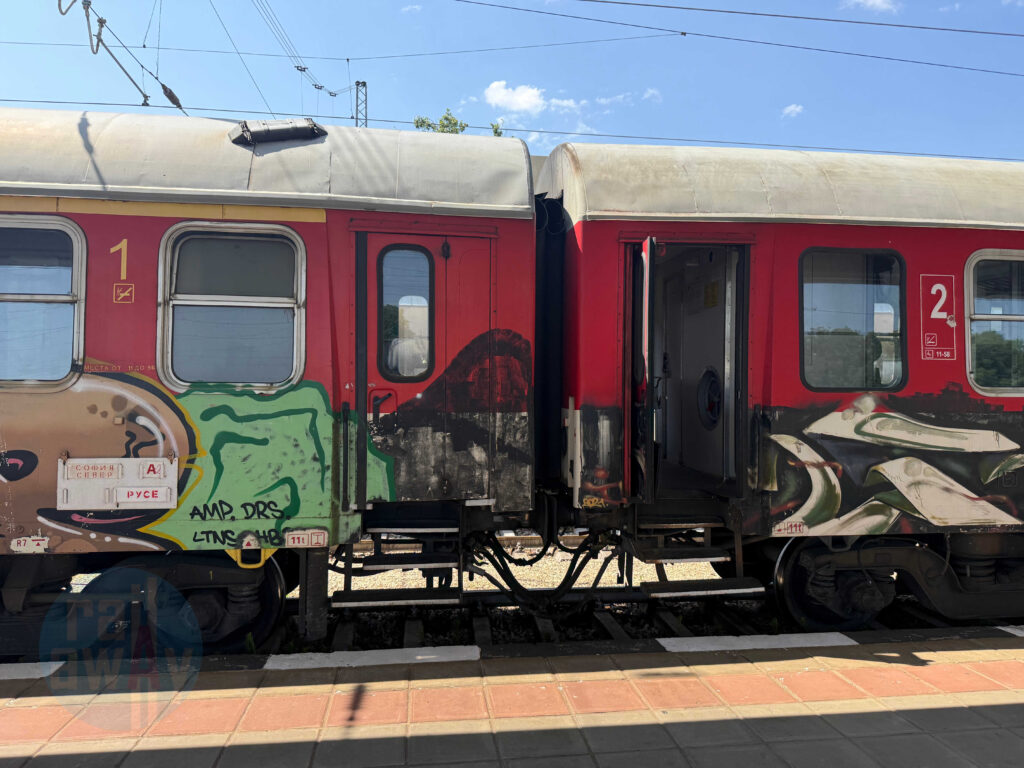
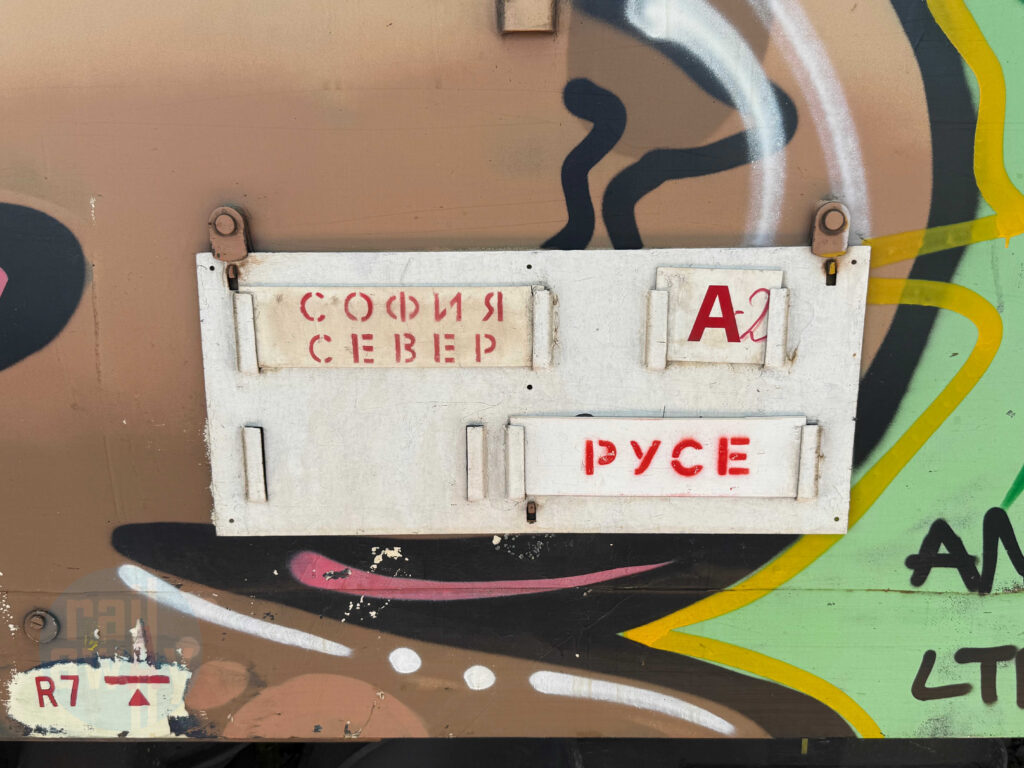
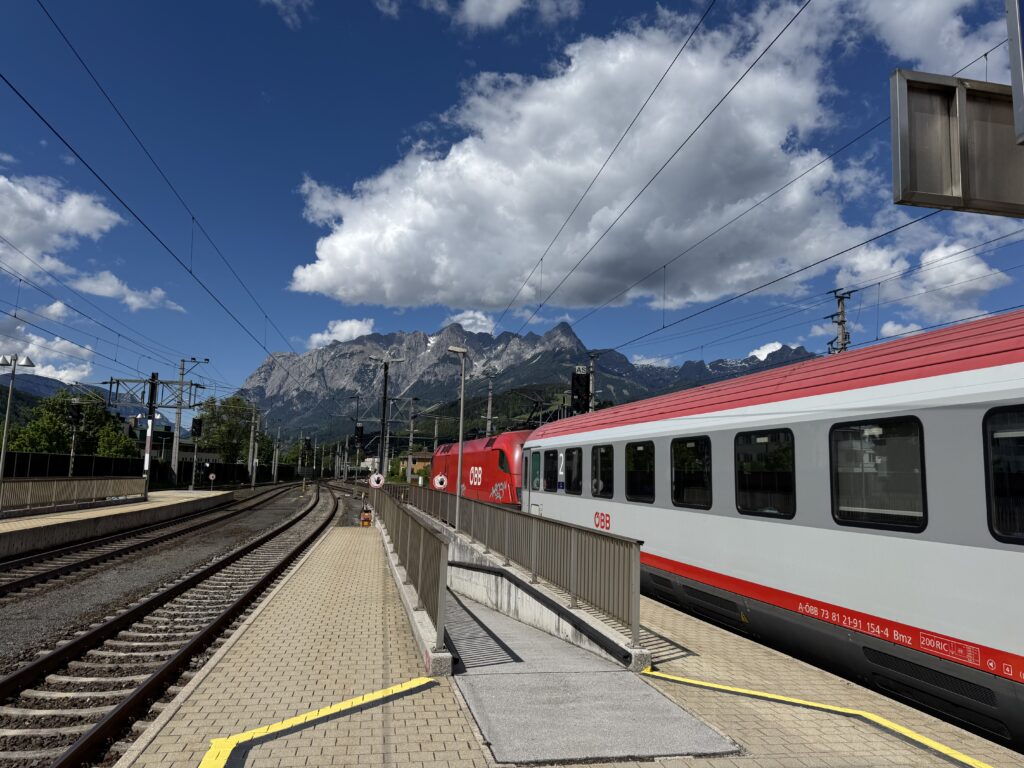
At the front of the train were former Deutsche Bahn coaches, still wearing their unmistakable white livery with a red Intercity stripe, albeit partly obscured by graffiti. These coaches were heading for Varna on Bulgaria’s Black Sea coast. Sandwiched in the middle was our solitary through carriage to Bucharest, while a rake of similarly retro coaches at the rear would later continue to Ruse (Русе in Cyrillic) on the banks of the Danube.
Even before departure, it was clear this wasn’t going to be an ordinary international train journey.
Onboard the Sofia-Bucharest train
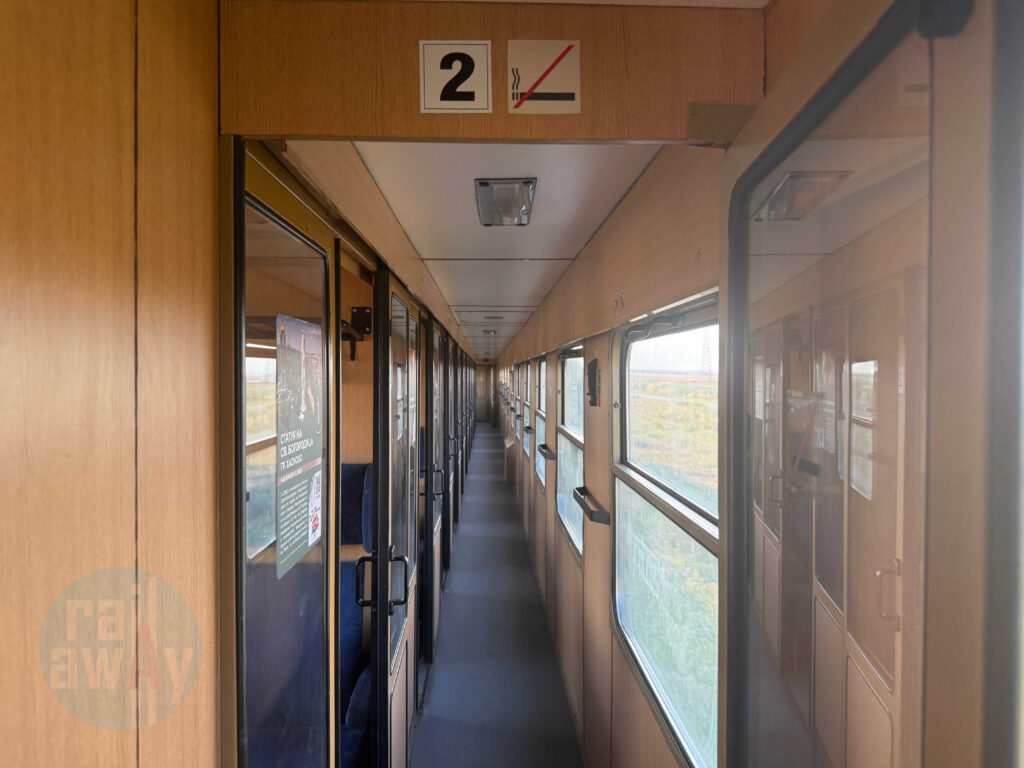
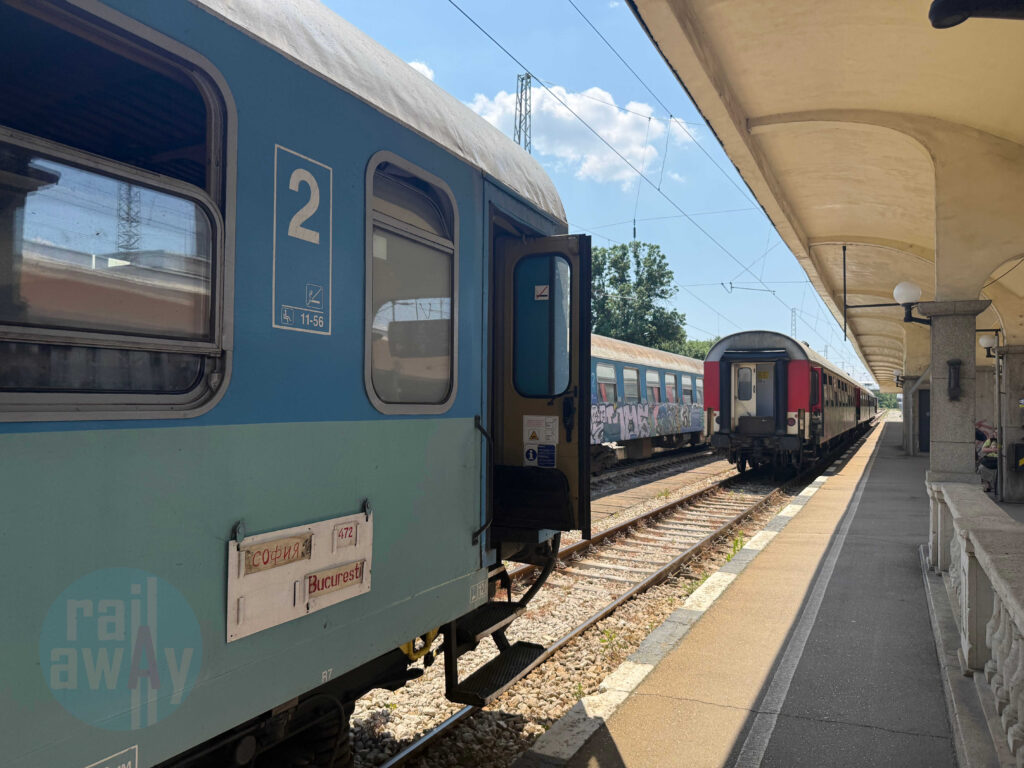
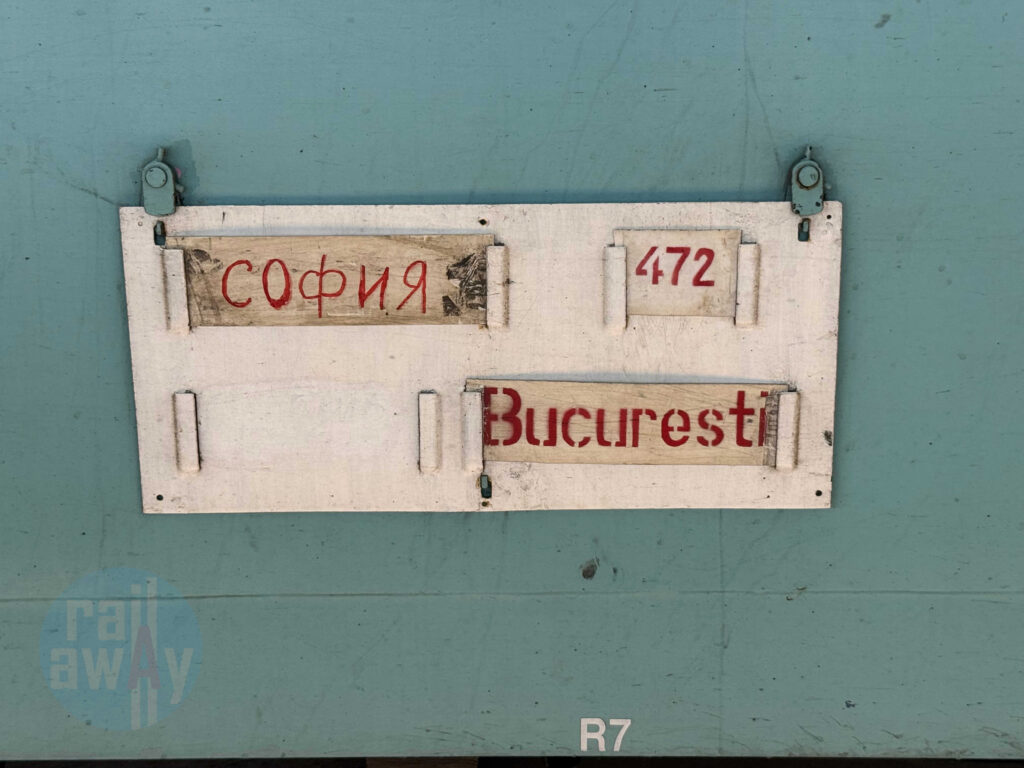
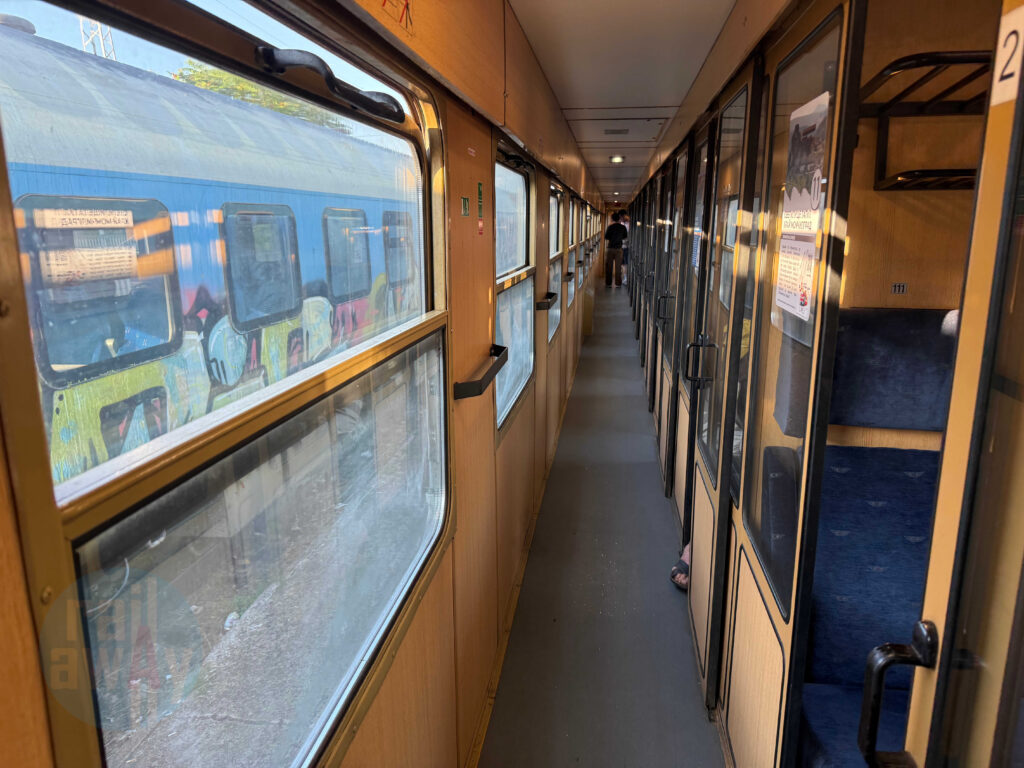
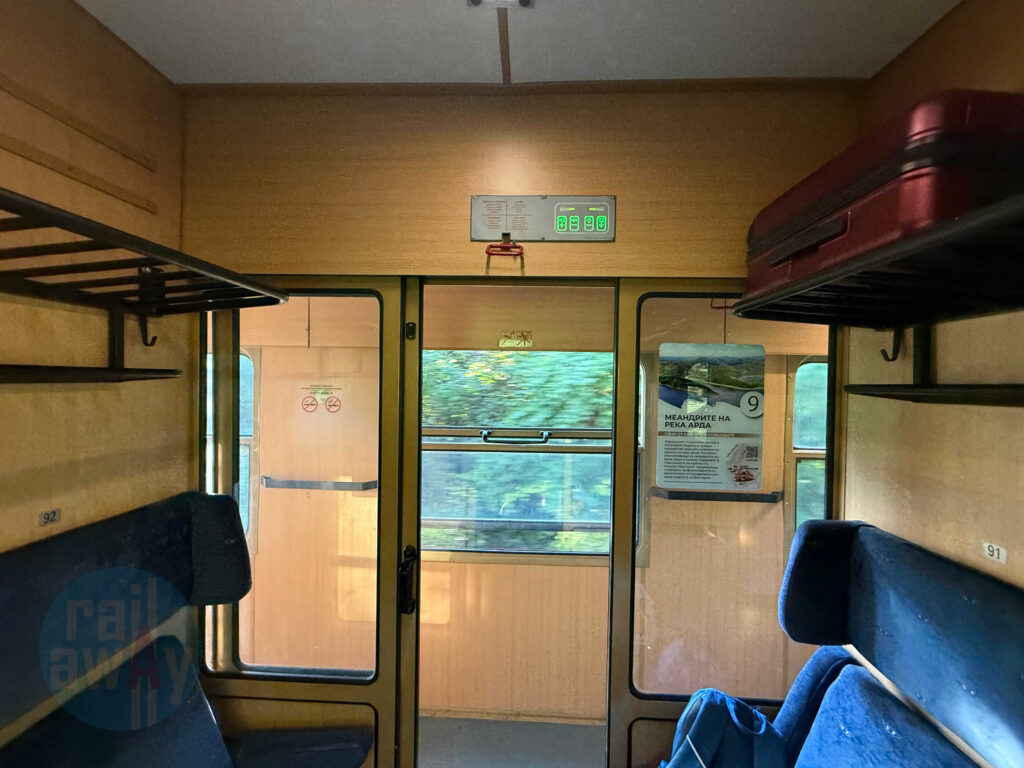
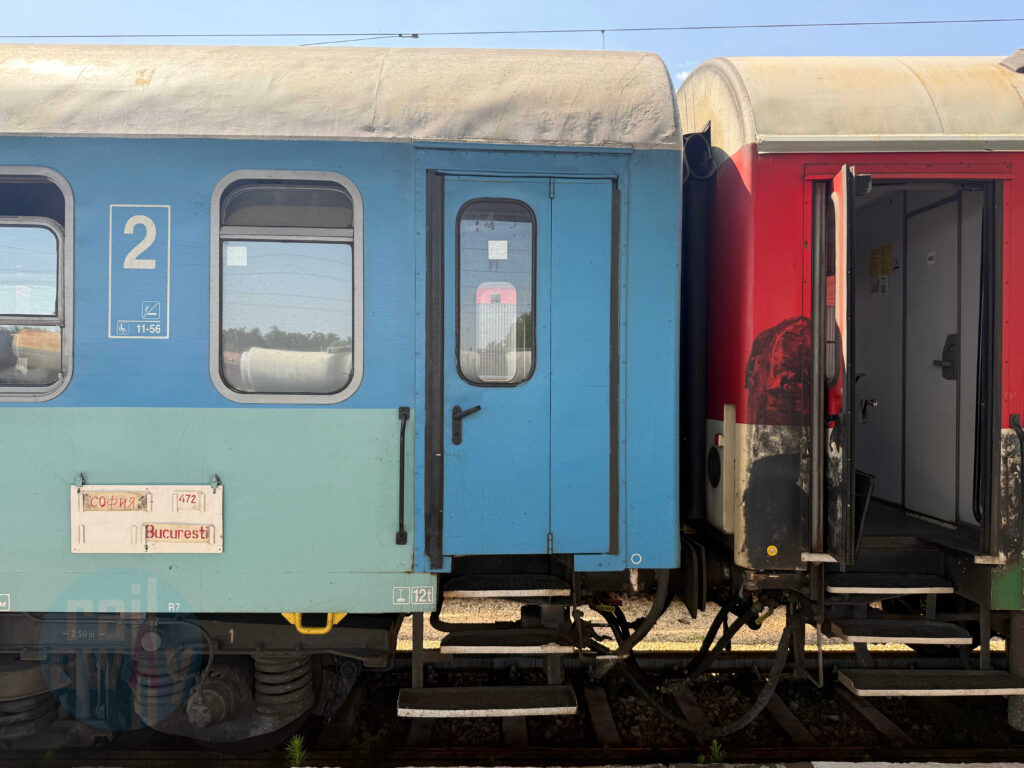
The through carriage that could be identified by an old school hand-written destination board attached to the outside, contained ten traditional six-seat compartments. We quickly located our seats, but soon moved to another compartment after discovering the window was jammed shut – a problem on a train with no air conditioning. Thankfully, there were plenty of seats in other compartments to choose from.
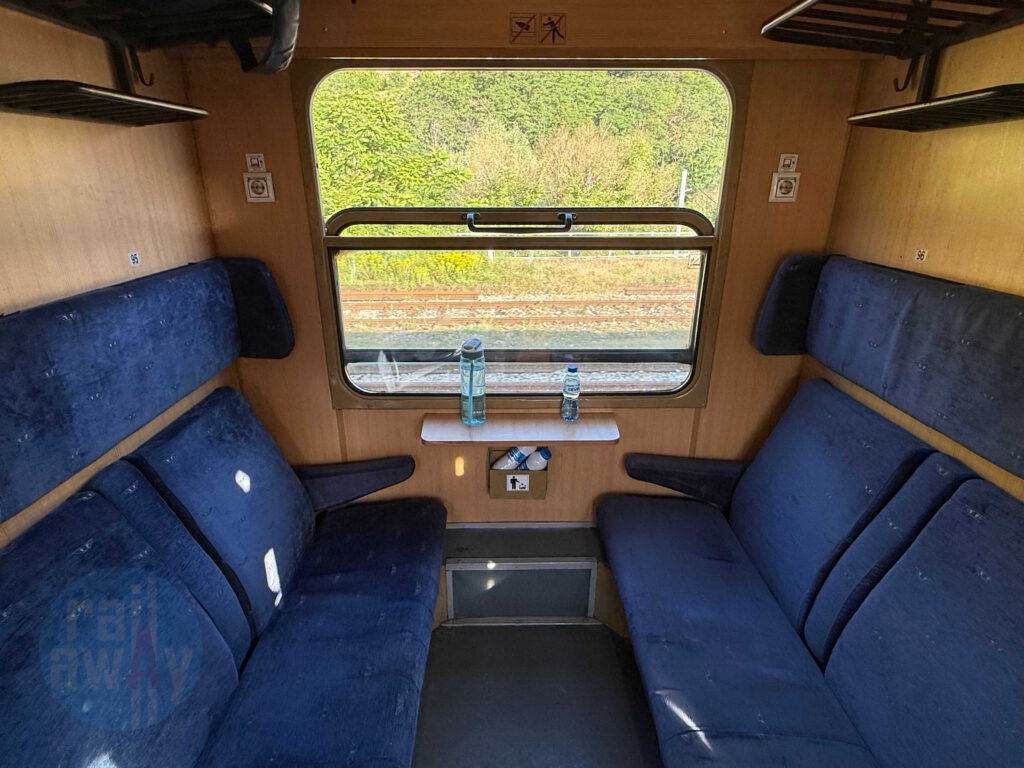
The train left Sofia reasonably busy with domestic commuting passengers, but by the first stop most had alighted, leaving just a handful of travellers continuing on the adventure to Romania.
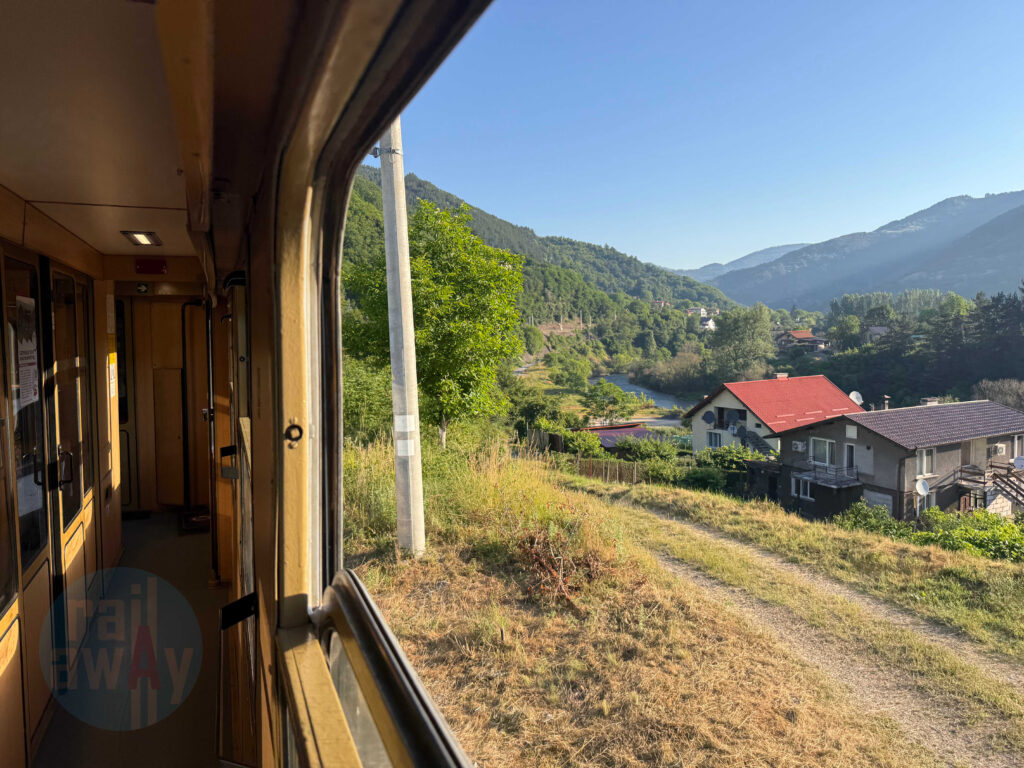
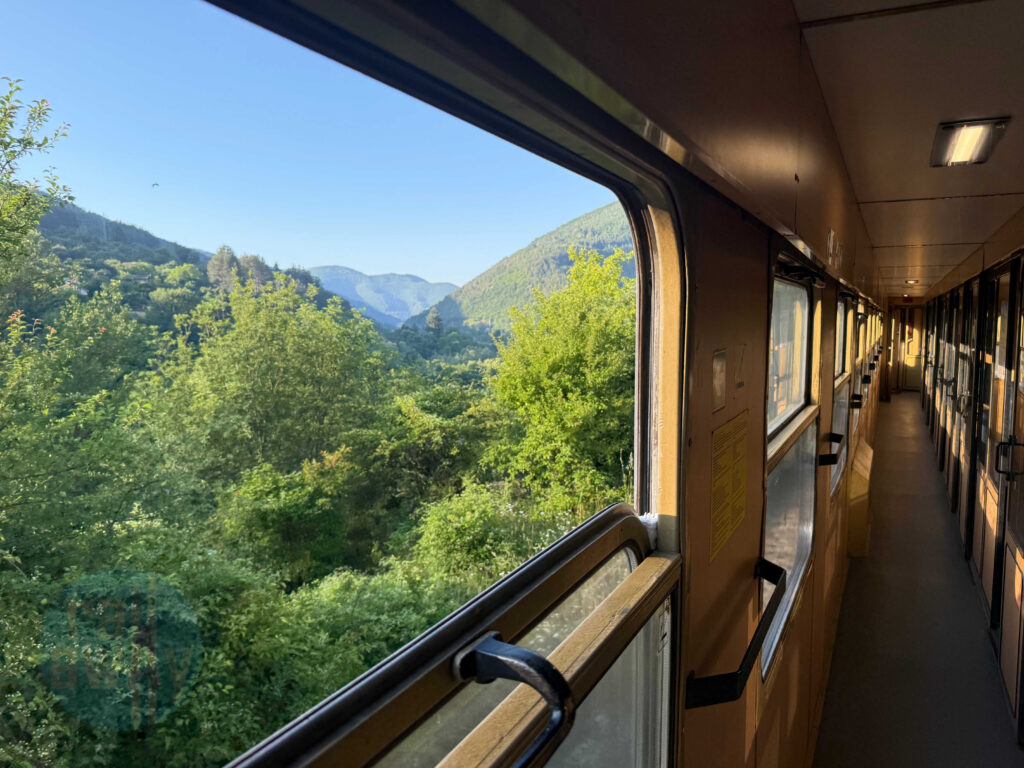
Before long, the suburbs of Sofia gave way to the foothills of the Balkan Mountains (Stara Planina). The train climbed steadily before entering the spectacular Iskar Gorge, undoubtedly the scenic highlight of the journey. For the next hour, the railway hugged the winding Iskar River, passing towering limestone cliffs, forests and tunnels before emerging near Mezdra.
Beyond the gorge, the scenery changed dramatically. The mountains disappeared behind us, replaced by the broad agricultural plains of northern Bulgaria as the train ambled towards Gorna Oryahovitsa (Горна Оряховица in Cyrillic), one of the country’s most important railway junctions.
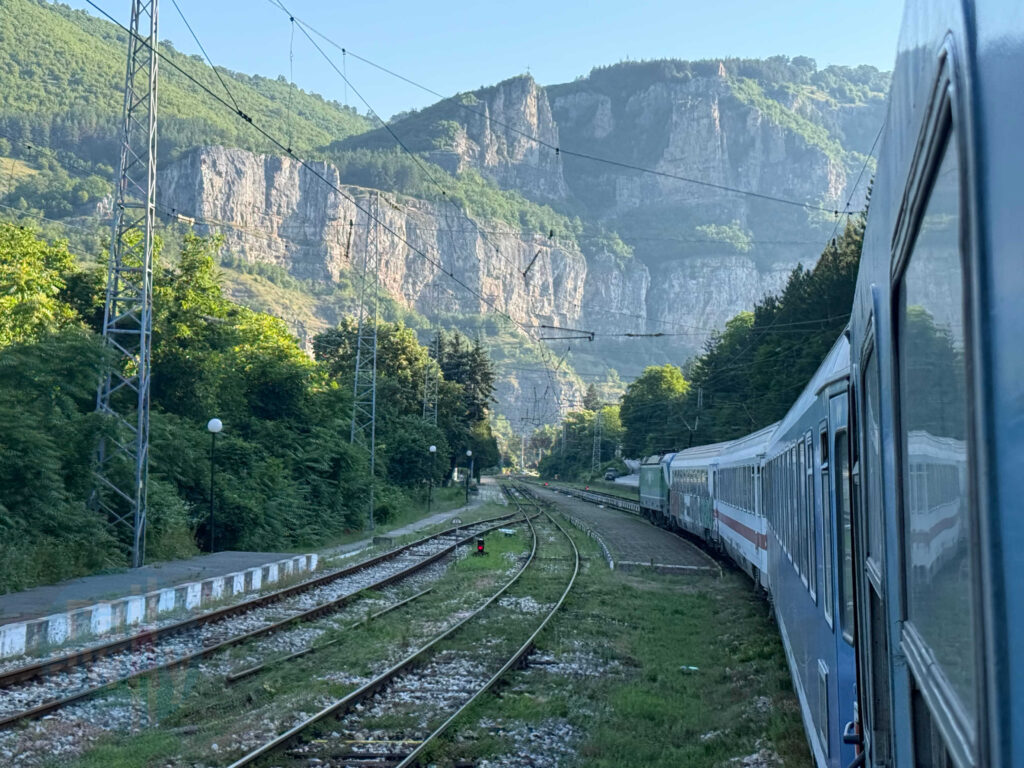
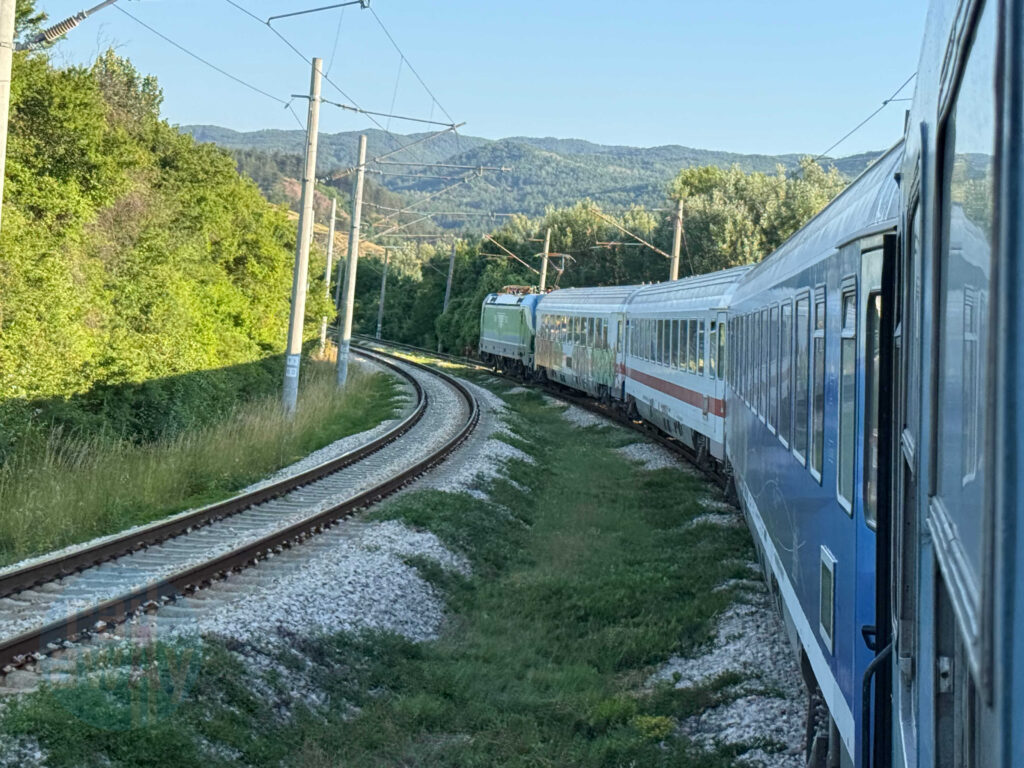
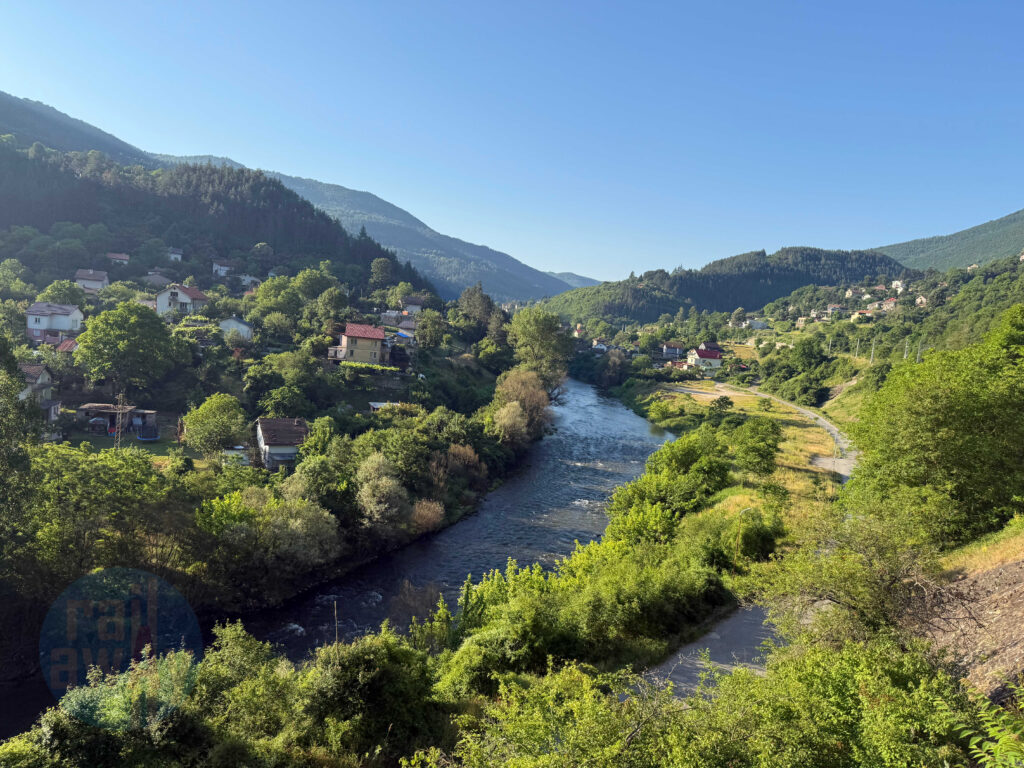
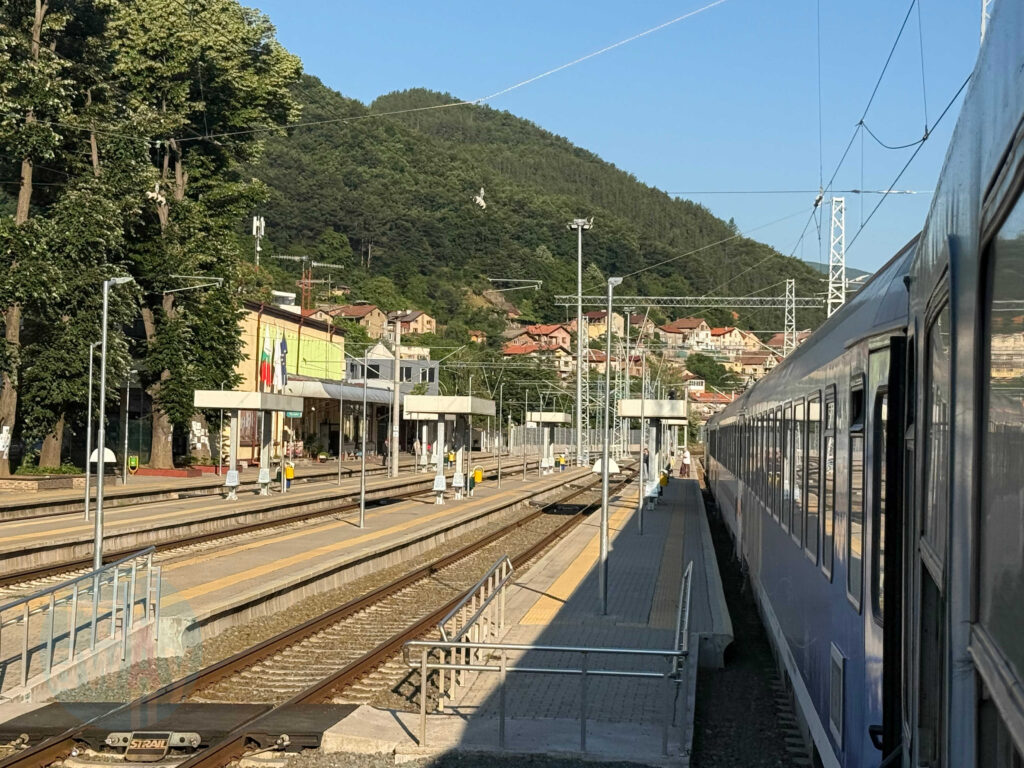
Here, the real railway theatre began.
Our carriage was uncoupled from the Sofia-Varna train, which soon departed east towards Bulgaria’s Black Sea coast. Knowing there was still more shunting to come, we checked with the friendly dispatcher whether it was safe to leave the train in search of supplies. Reassuring us that we had around half an hour, she gave us the confidence to venture into the station for snacks – although it still felt slightly unnerving leaving our carriage out of sight with our belongings baking in the heat of our self-selected compartment sat stationary in the sun.
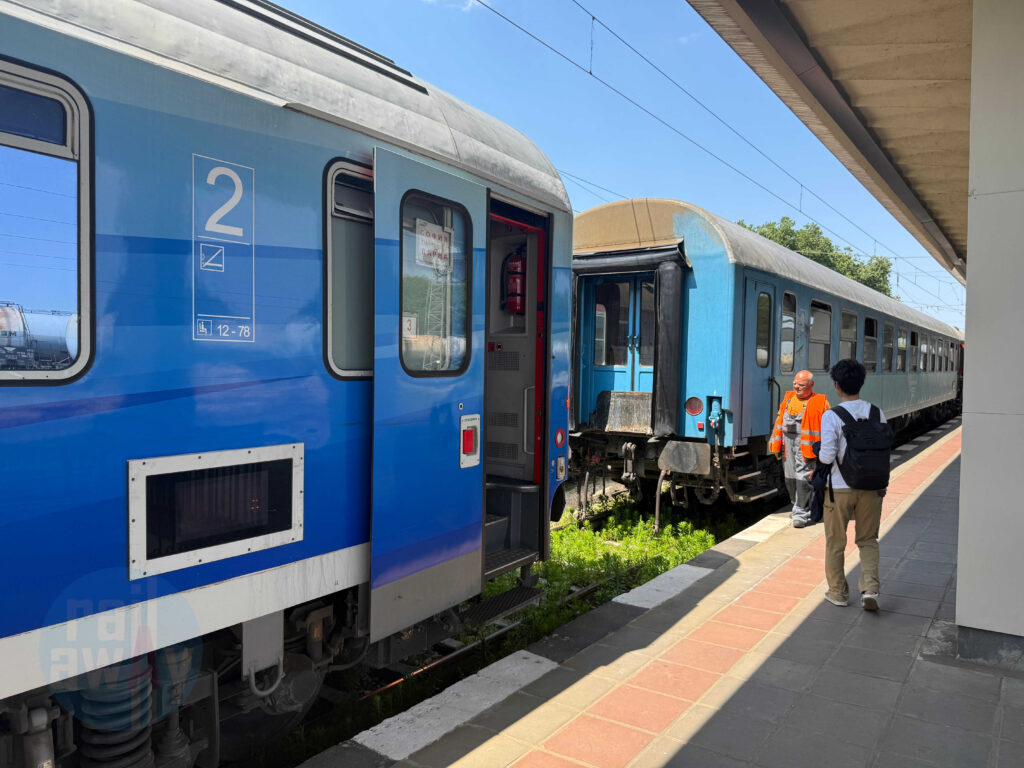
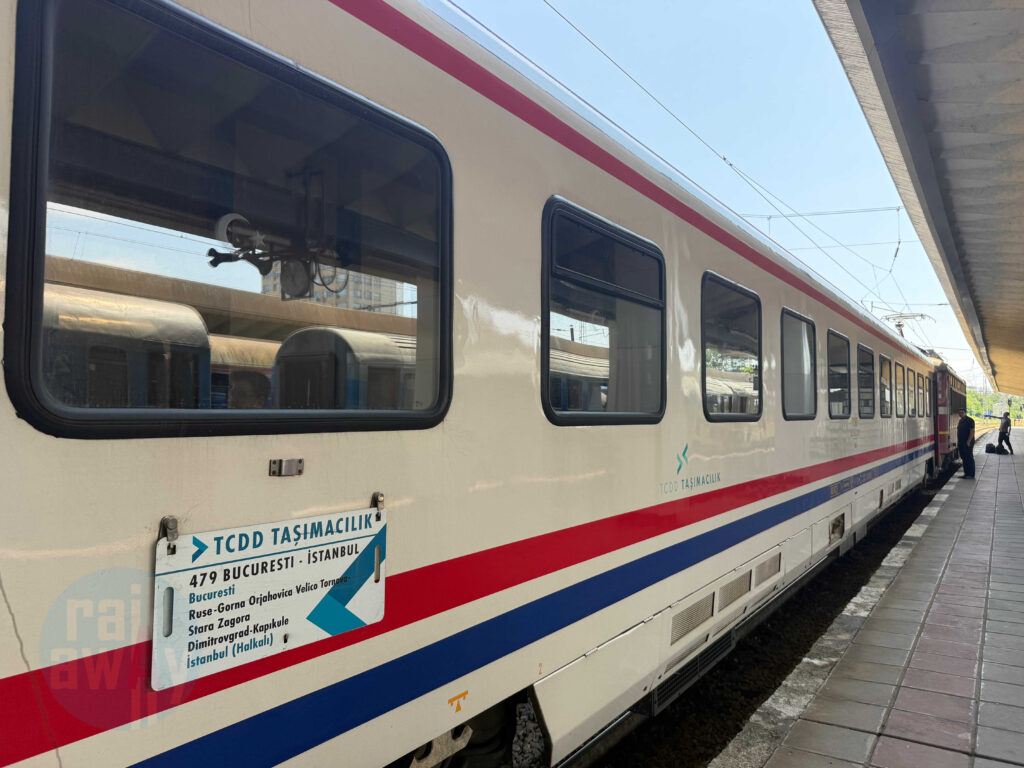
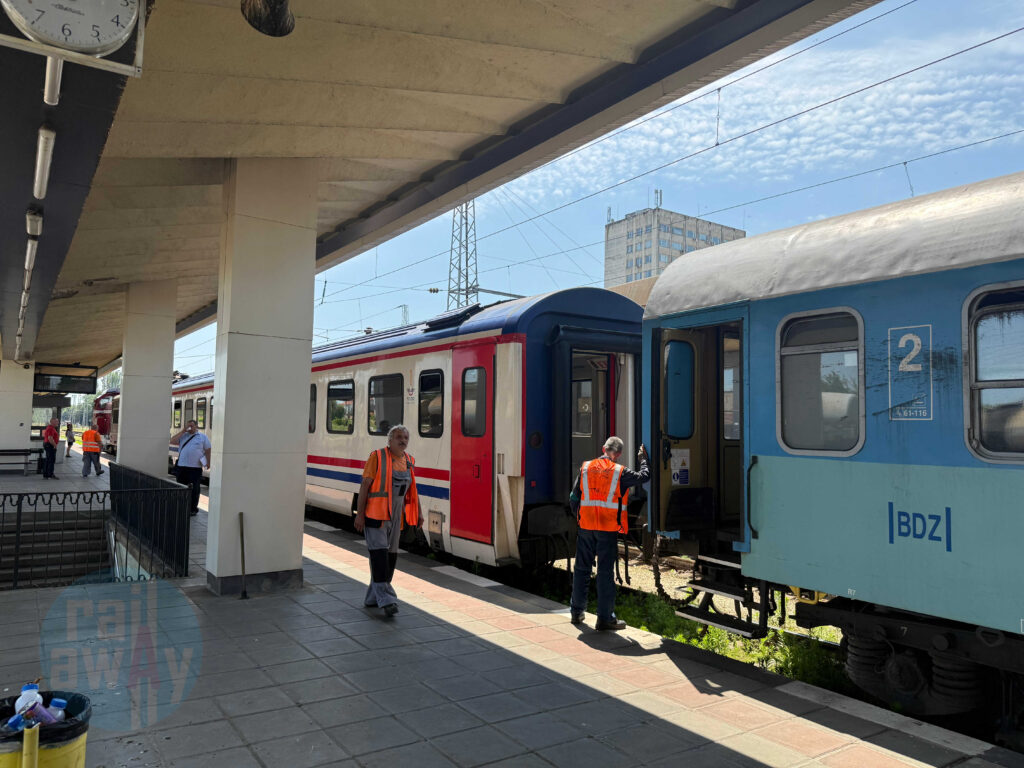
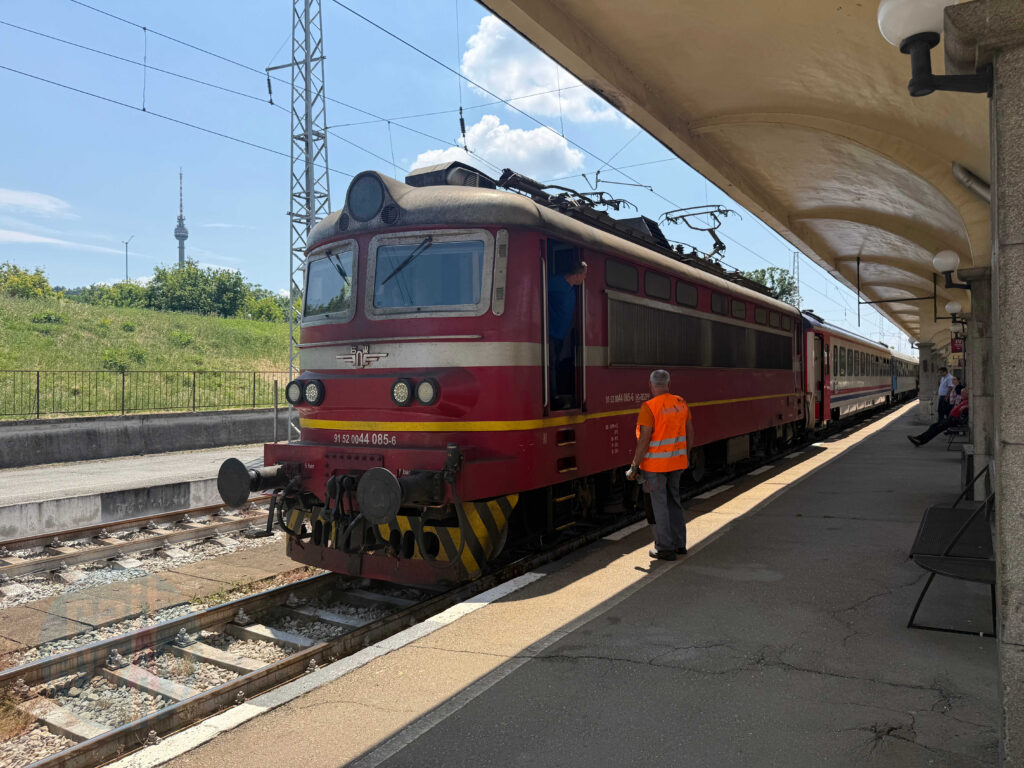
Back on the platform with ice cream and drinks in hand, another train rolled into the station. A solitary Turkish couchette from Istanbul was detached and coupled to our train, ready to continue north together. Once the shunting was complete and the guard gave the signal to depart (with a mere cardboard pole), we set off once again, this time bound for Ruse and the Danube.
An extended visit to Ruse
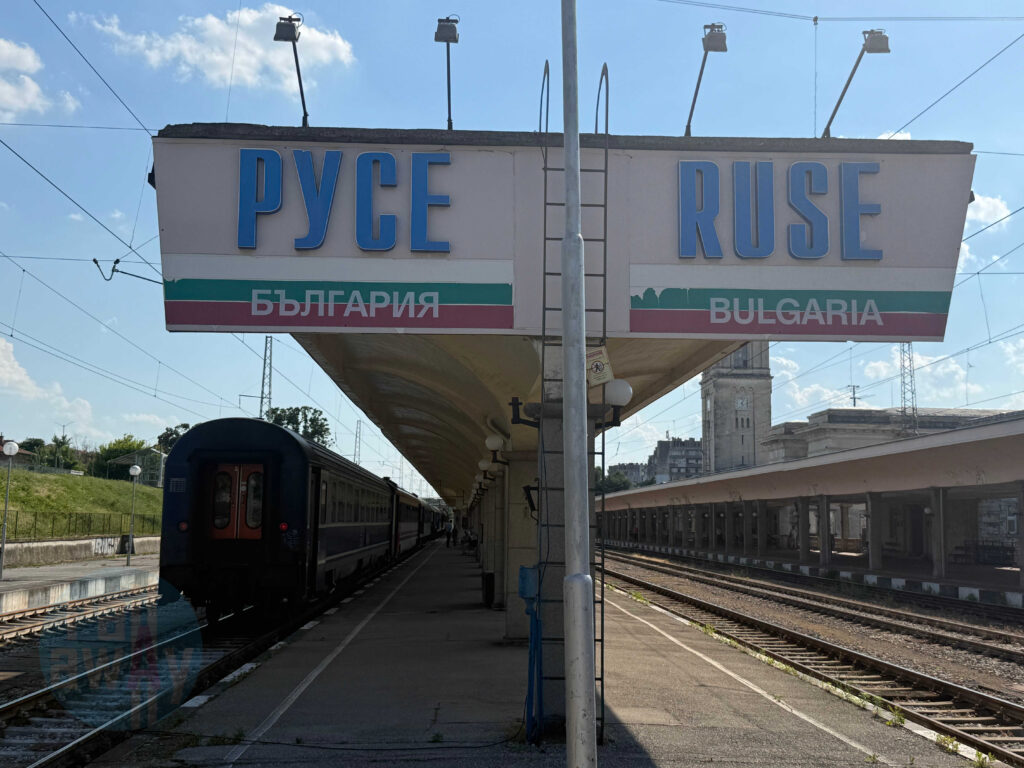
This was where our progress ground to a halt.
We had booked a sleeper train from Bucharest to Budapest, due to depart just ninety minutes after our scheduled arrival. On paper, it felt like a comfortable connection albeit slightly risky, covered by booking a refundable ticket from the Romanian Railways. In reality, it was about to become rather more interesting.
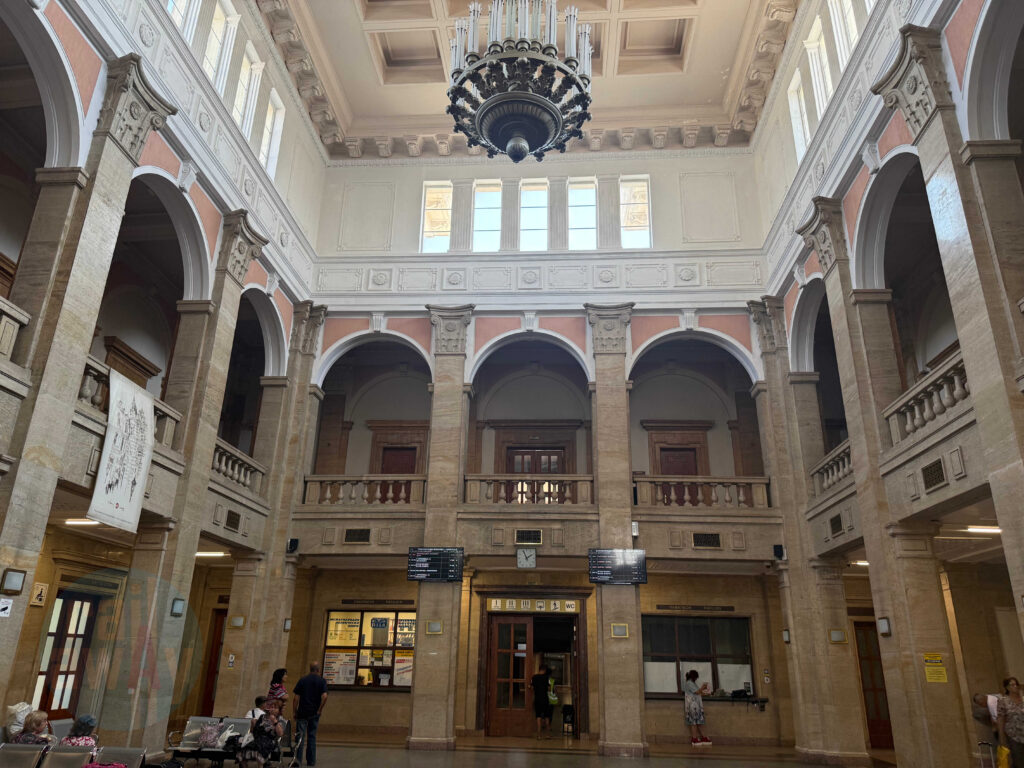
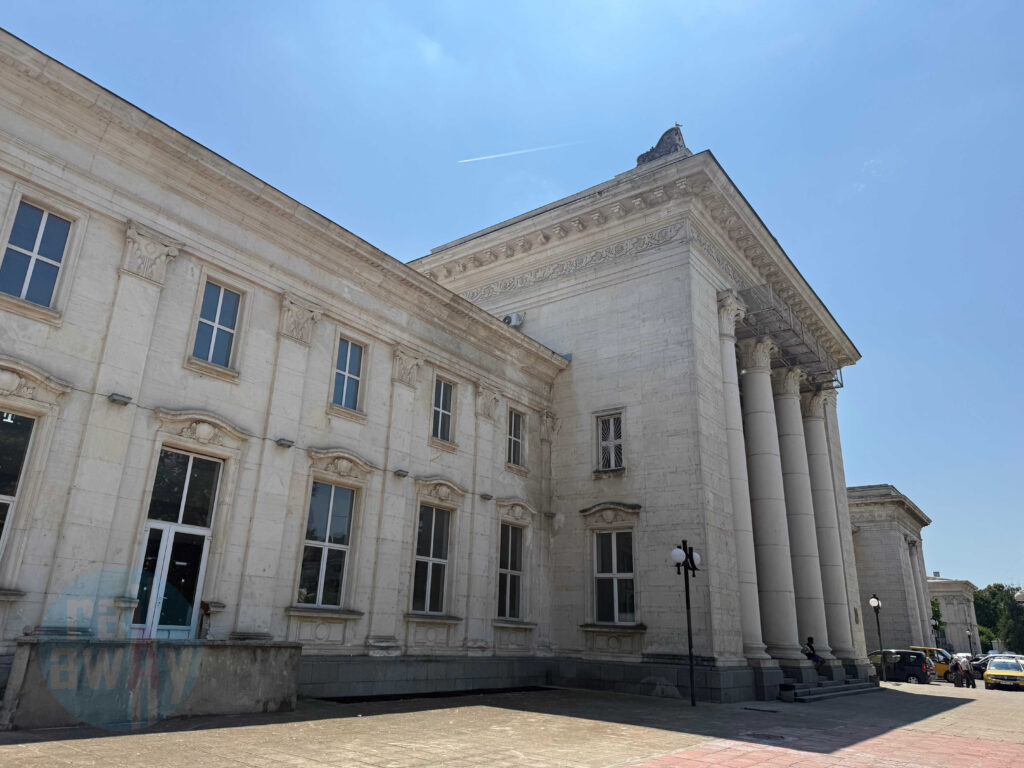
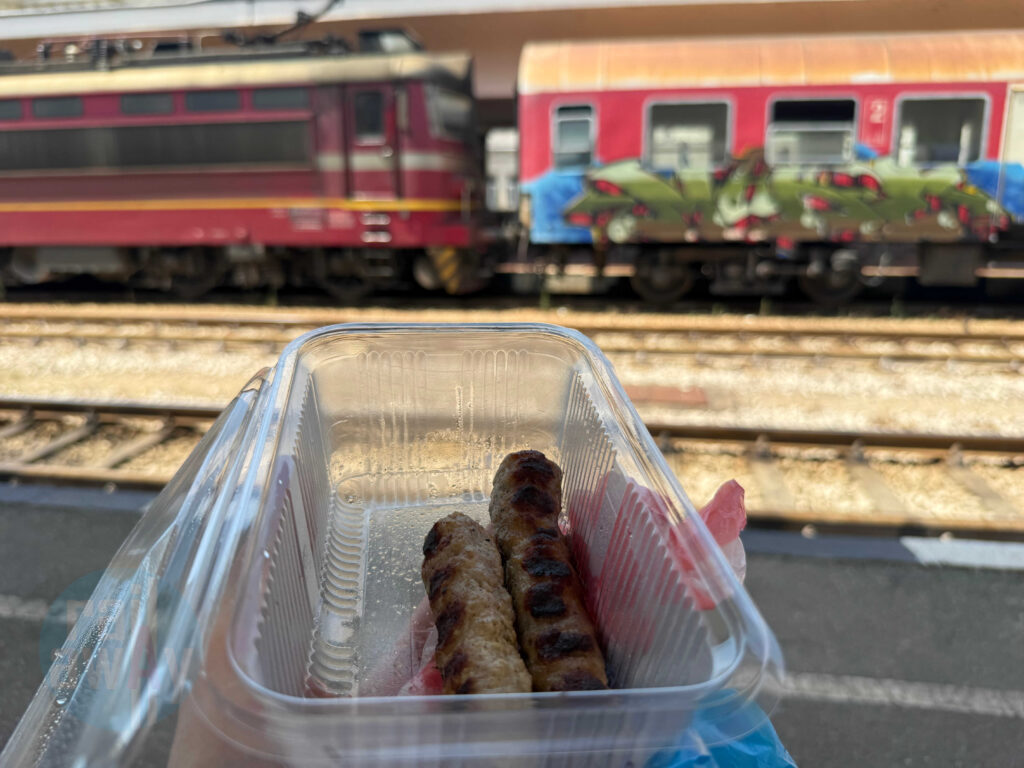
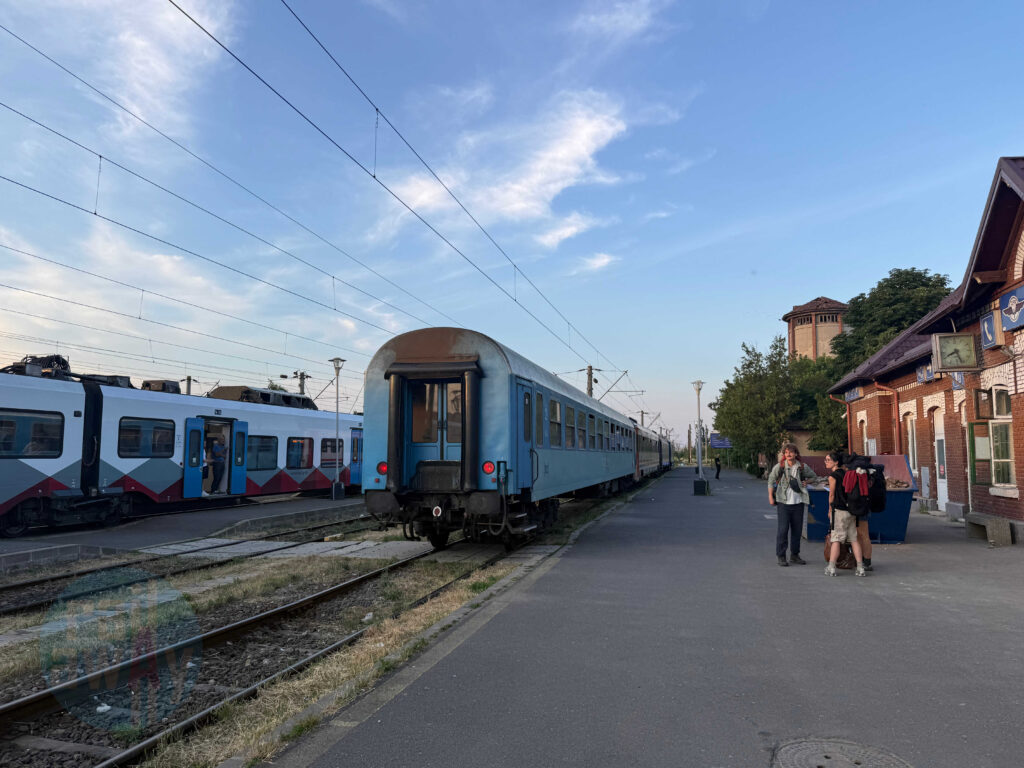
Our train rolled into Ruse around thirty minutes behind schedule. With time still on our side, we once again asked a member of staff on the platform – more accurately, a man in a T-shirt who appeared to know everyone and everything happening at the station – whether we had enough time to grab some food. We found a café and enjoyed some Bulgarian and Turkish kebabs to munch on the platform.
Back on board, we waited.
Announcements echoed across the station, all in Bulgarian, punctuated by the occasional collective sigh from those waiting on the platform. It was clear something wasn’t quite right.
A quick check of the BDŽ and CFR websites revealed the problem. The southbound train from Bucharest was running almost four hours late. Because of the single-track railway ahead and the need for the Romanian locomotive to work our train onwards, we couldn’t leave Ruse until it arrived.
What was supposed to be a brief operational stop became an almost four-hour wait.
Fortunately, our mobile data gave us just enough time to secure new sleeper tickets for a later departure from Bucharest. Eventually, a weathered Romanian diesel locomotive rumbled into the adjacent platform. The attendant from the Turkish couchette stepped down to exchange a few words with his counterpart on the southbound section before the locomotive was coupled to our train.
At long last, we were on the move again.
Onwards to Romania
Not long after leaving Ruse came one of the journey’s defining moments: crossing the Danube.
In all the excitement of the delay, I’d completely forgotten we were about to cross the river until I noticed the rest of the carriage – tourists from France, Japan and elsewhere – leaning eagerly out of the windows. I quickly joined them just in time to enjoy the views from the Danube Friendship Bridge, a moment you’ll also catch in the Scenery Showcase video below.
By now, our hopes of making the original sleeper train had long disappeared. After speaking with the friendly Romanian conductor, we were advised to leave the train one stop early at Videle, where we could better connect with our replacement service to Budapest.
It was a slightly unusual end to the journey, but after more than thirteen hours aboard this remarkable through carriage, we felt we’d experienced everything the Sofia-Bucharest train had to offer.
Scenery Showcase
While the ageing carriage is undoubtedly part of the Sofia-Bucharest train’s charm, the scenery beyond the window is just as rewarding.
Join us on our Scenery Showcase video on YouTube to experience the journey through uninterrupted sights and sounds, from the dramatic limestone cliffs of the Iskar Gorge to the wide-open plains of northern Bulgaria, before crossing the mighty Danube Friendship Bridge into Romania and continuing across the Wallachian Plain towards Bucharest.
The Sofia–Bucharest through carriage
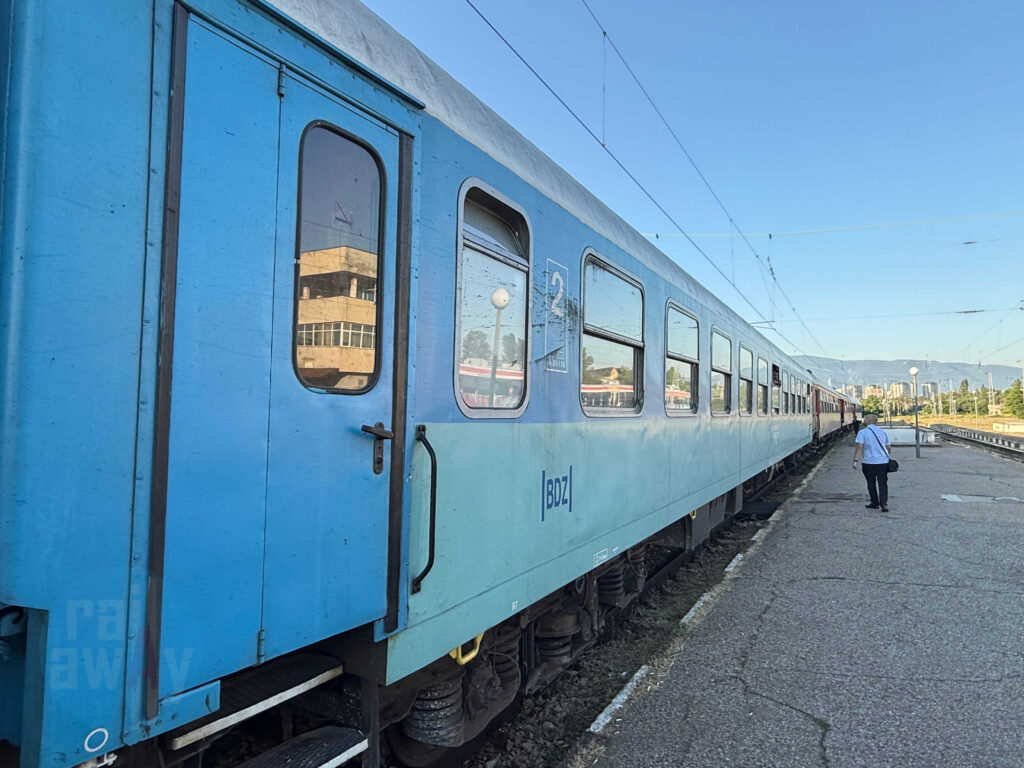
The Sofia–Bucharest train, with the number MBV 460, isn’t really a train at all – it’s a single through carriage.
For ten hours, this lone carriage trundles through the valleys and plains of northern Bulgaria before crossing the Danube into Romania and arriving in Bucharest. Unlike the delightfully quirky service from the Serbian border station of Dimitrovgrad to Sofia, which really does run on its own, this carriage spends its journey hitching rides behind other trains.
In fact, MBV 460 is one of the more operationally fascinating international services in Europe. Rather than having its own locomotive and dedicated train, the carriage completes its journey by joining three different trains along the way!
Leaving Sofia, it is attached to the Sofia-Varna service, carrying holidaymakers towards Bulgaria’s Black Sea coast. At Gorna Oryahovitsa, the carriage is uncoupled and attached to the Sofia-Ruse train, where it is joined by a Turkish couchette travelling from Istanbul.
Finally, after crossing the Danube at Ruse, the carriage is attached to the Varna-Bucharest train for the final leg into the Romanian capital.
It’s a surprisingly complex operation for a single carriage, but there’s an unexpected benefit. Each coupling and uncoupling manoeuvre provides a chance to step onto the platform, stretch your legs and watch the railway choreography unfold before continuing your timeless Balkan journey.
Second Class accommodation
Bulgaria is at the dawn of a new era in rail travel. Thanks to the arrival of former Deutsche Bahn Intercity coaches from Germany, Bulgarian State Railways (BDŽ) is gradually modernising its long-distance fleet. Built in the 1980s but extensively refurbished, these air-conditioned coaches are steadily replacing some of Bulgaria’s oldest rolling stock.
For now, however, journeys such as Sofia to Bucharest still offer a rare opportunity to experience traditional Bulgarian long-distance rail travel before these classic coaches gradually disappear.
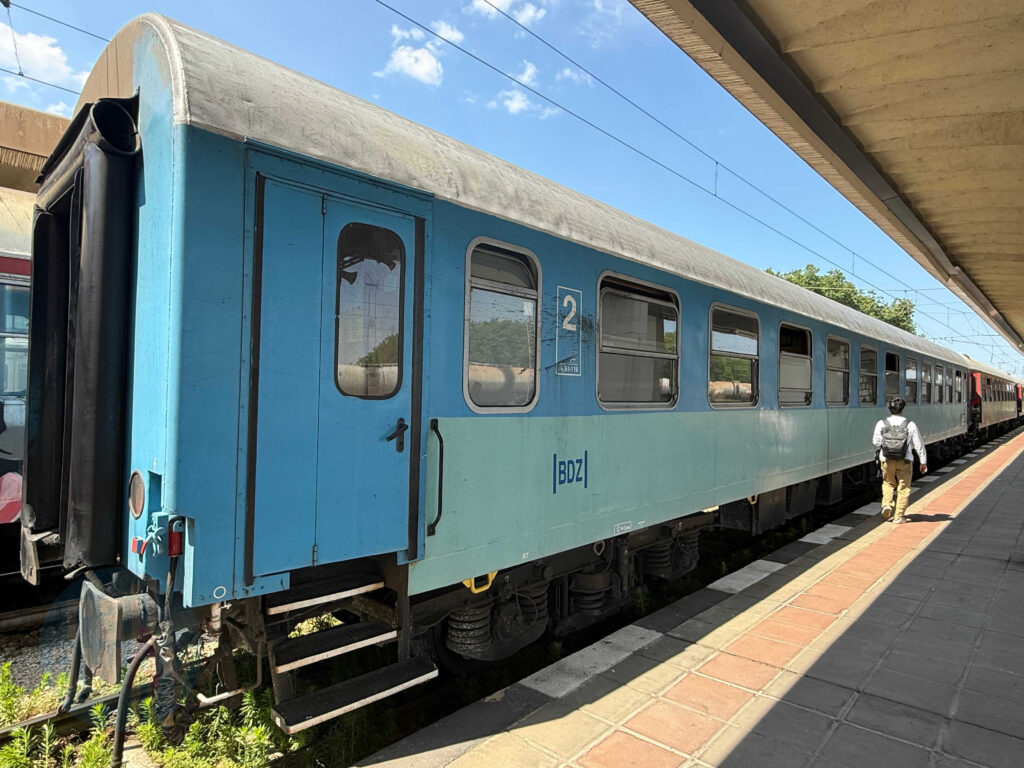
The ageing carriage certainly showed its years. Finished in a turquoise-blue livery of BDŽ and, notably, free from graffiti, it made a surprisingly smart first impression compared with many of the other trains I saw during my time in Bulgaria.
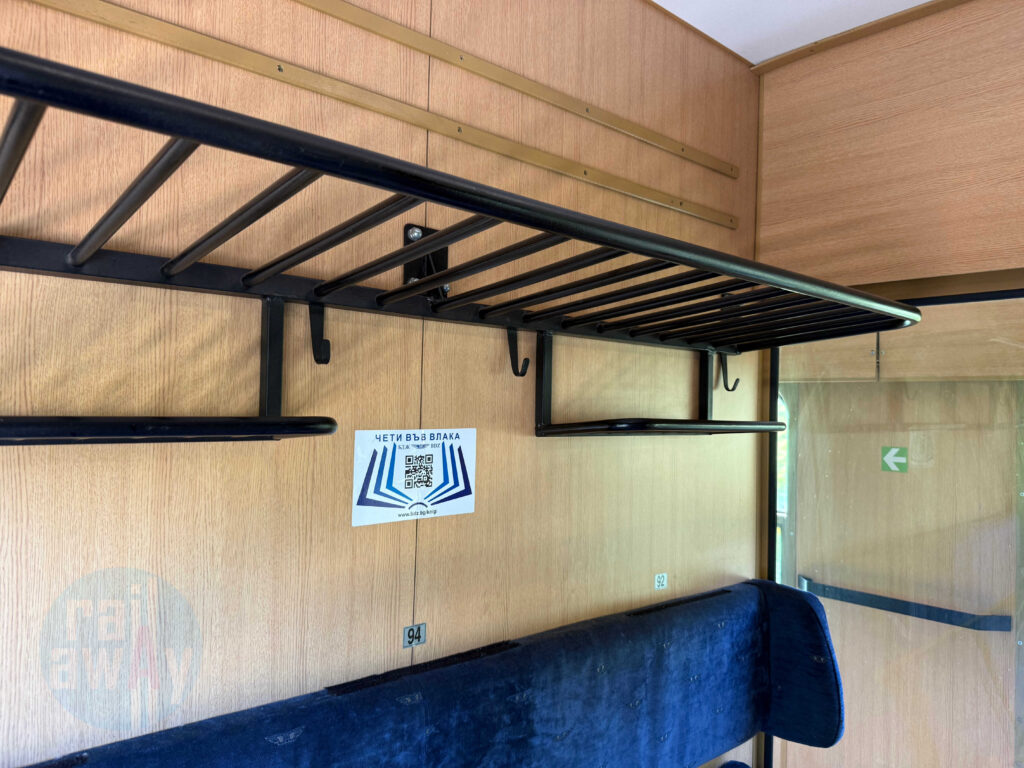
Inside, the carriage retained much of its original character, with wood panelling lining the corridors and compartments. Fresh air came courtesy of opening windows, while each compartment featured simple bench seating. They may not look particularly inviting in photographs, but they were surprisingly comfortable – and I was certainly grateful for that after spending well over ten hours on board.
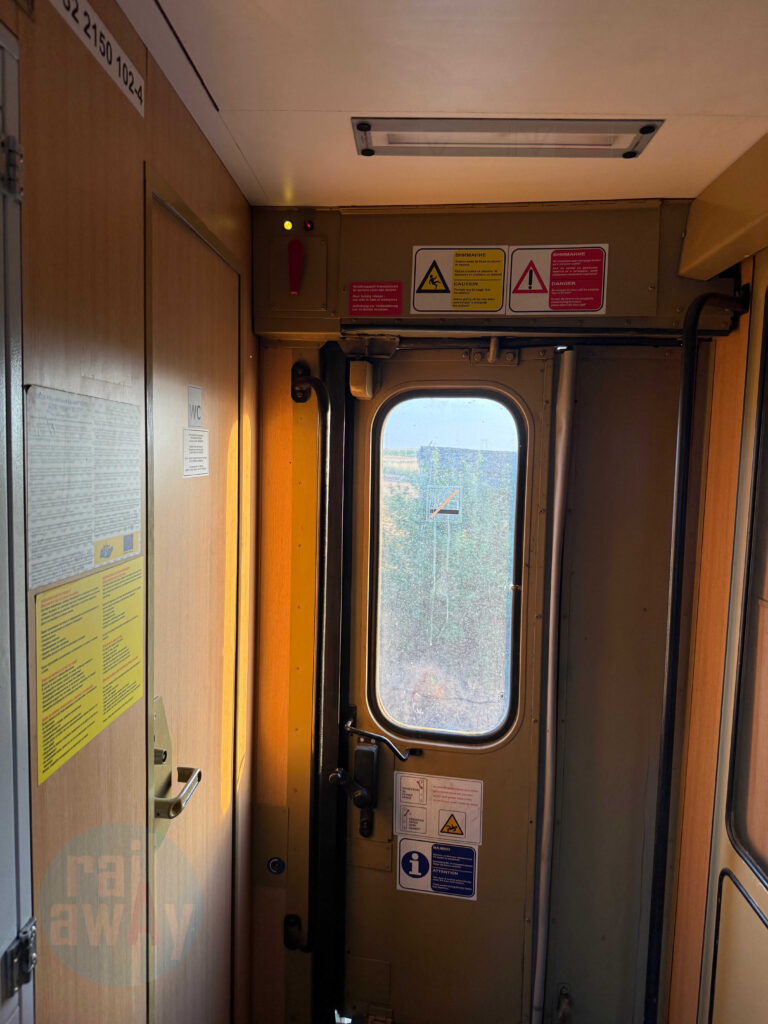
At either end of the carriage were two very basic toilets. Toilet paper was provided at the start of the journey, although it soon ran out, so I’d strongly recommend bringing your own.
Facilities are otherwise almost non-existent. There is no catering trolley, buffet car or café, so be sure to stock up on food and drinks before departure. On a hot summer’s day, the opening windows provide the only relief from the heat.
Explore More with Rail-Away
Whether you’re planning your next adventure or simply enjoy discovering remarkable rail journeys, explore more travel inspiration, practical guides and real journey experiences from across Europe.
Be inspired by real Journey experiences
Discover real rail adventures across Europe and beyond, from iconic routes and night trains to hidden gems.
Guides to Get You On Track
Browse practical guides, inspiring itineraries and expert resources to help you explore Europe by train.
Watch the Journey Unfold
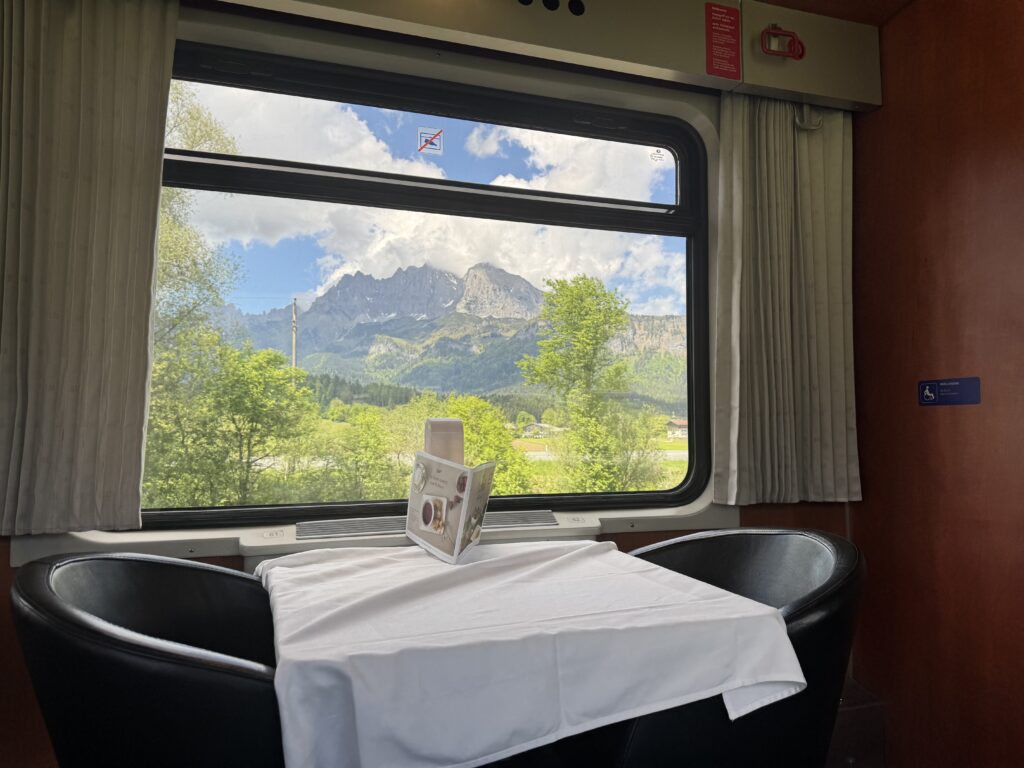
Experience Europe’s most spectacular rail journeys through our videos and witness stunning scenery.
Plan Your Perfect Rail Trip
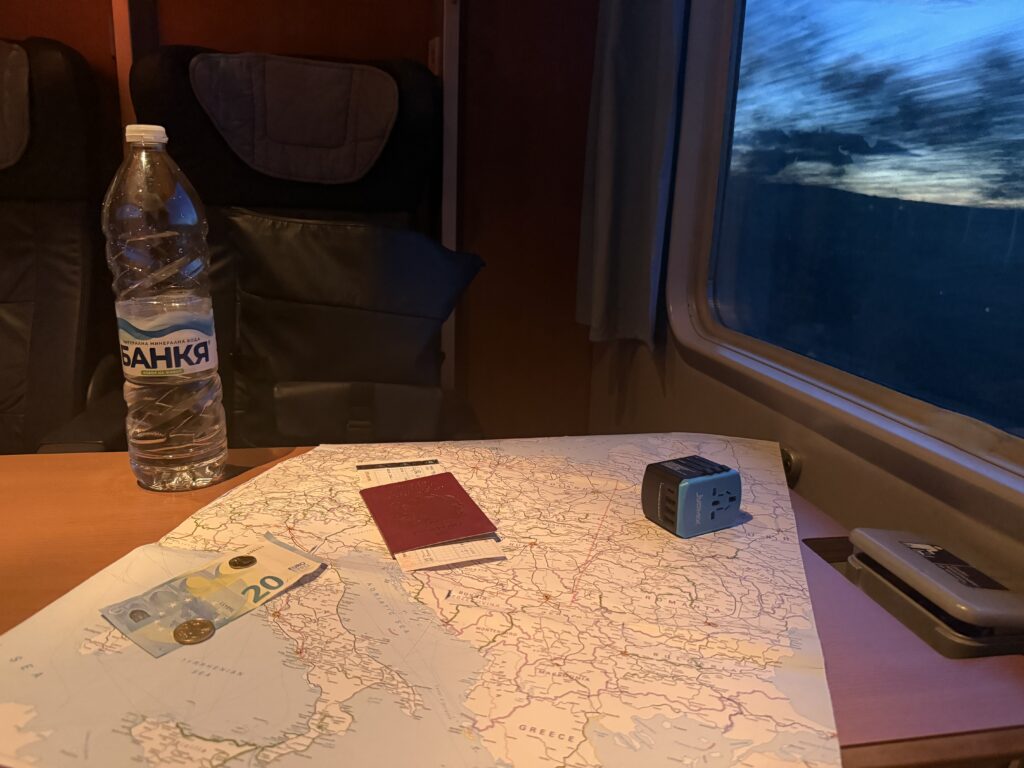
Need a helping hand? Get personalised advice and support to create your perfect European rail adventure.
How to book the Sofia-Bucharest train
An old-school train deserves an equally old-school booking process -but thankfully, things have improved in recent years. The Sofia-Bucharest train can now be booked online in both directions.
One quirk remains, however. Although the train currently starts and terminates at Sofia Sever due to engineering works, tickets can only be booked to or from Sofia Sever online. If you’re travelling from Sofia Central, you’ll need to take the shuttle train provided to connect with the international service.
If you prefer, tickets can also be purchased at railway stations in either Sofia or Bucharest. Demand is generally low, so it’s unusual for the train to sell out. Even booking on the day of travel is often possible.
| Journey Leg | Second Class ticket and reservation price |
| Sofia Sever to Bucharest | 30,60 EUR +1,25 EUR reservation fee |
| Ruse to Bucharest | 14,20 EUR +1,25 EUR reservation fee |
| Varna to Bucharest | 24,00 EUR +1,25 EUR reservation fee |
The only place you can book online from the Romanian Railways’ (CFR Calatori) international website by clicking the link here. This is the English website link. If you’re directed to a page in the Romanian language, simply click the ‘RO/EN’ slider at the top to toggle back to English.
Conclusion
I really enjoyed my trip on the Sofia-Bucharest train. On paper, a scheduled journey of more than ten hours in a non-air-conditioned carriage with no catering facilities might not sound particularly appealing, and our four-hour delay certainly wasn’t ideal. Yet somehow, the time passed remarkably quickly.
Perhaps that’s because there was always something happening. Whether it was watching the train wind through the spectacular Iskar Gorge, observing the intricate shunting manoeuvres at Gorna Oryahovitsa and Ruse, or simply enjoying the nostalgia of travelling in a classic Eastern Bloc-era carriage, this felt like far more than just a way of getting from A to B.
If you’re looking for speed, comfort and absolute reliability, this trip isn’t for you. But if you’re prepared to embrace the slower pace of Balkan rail travel, you’ll be rewarded with one of Europe’s most authentic cross-border railway journeys.
My advice? Pack plenty of food and drink, leave your timetable expectations at the door, and immerse yourself in the adventure. After all, experiences like this are becoming increasingly rare, and with BDŽ gradually modernising its fleet, this timeless Balkan journey may not feel quite the same for much longer.
This journey experience report was first published in July 2026.
See more from Rail-Away

Join 500+ travellers using our expert free train guides!

Travel Europe by Train – Smarter and Easier
Get great routes, fare tips and tricks from our FREE insider guides
Get instant access to:
✓ 3 curated European rail itineraries for your next trip and be inspired
✓ Simple booking and money saving guide and book with confidence
✓ Night train tips and what to expect – optimise your time and experience