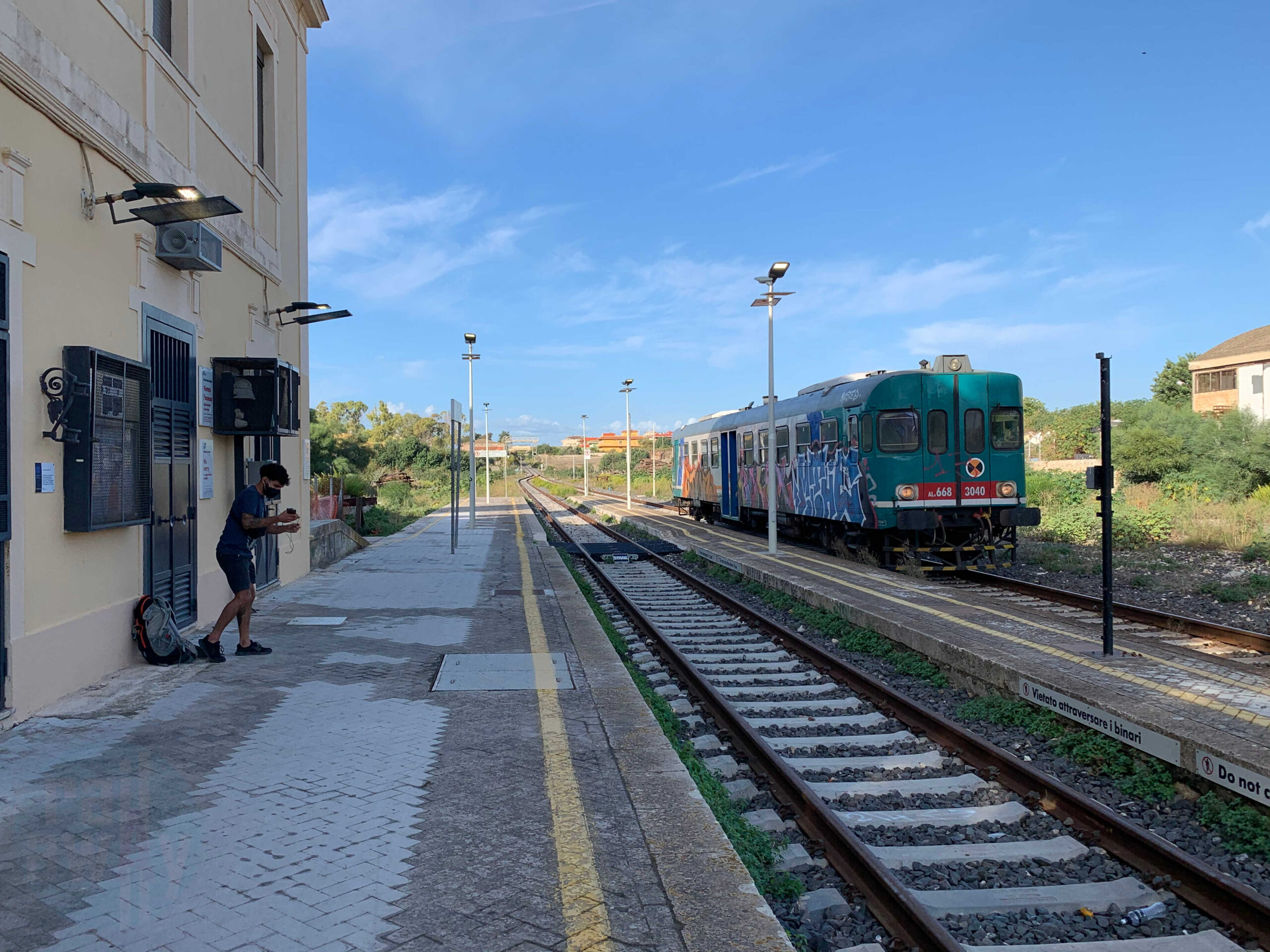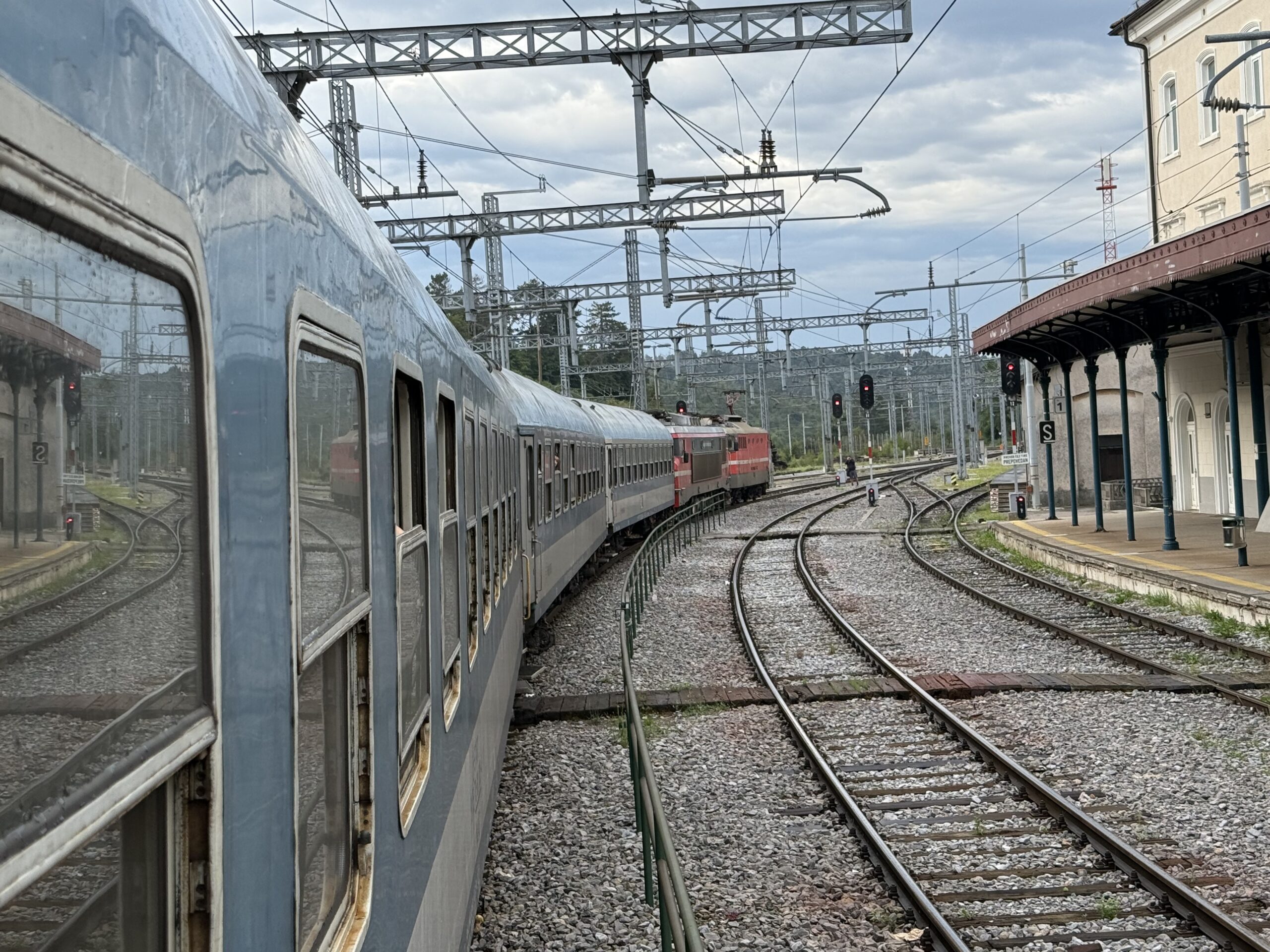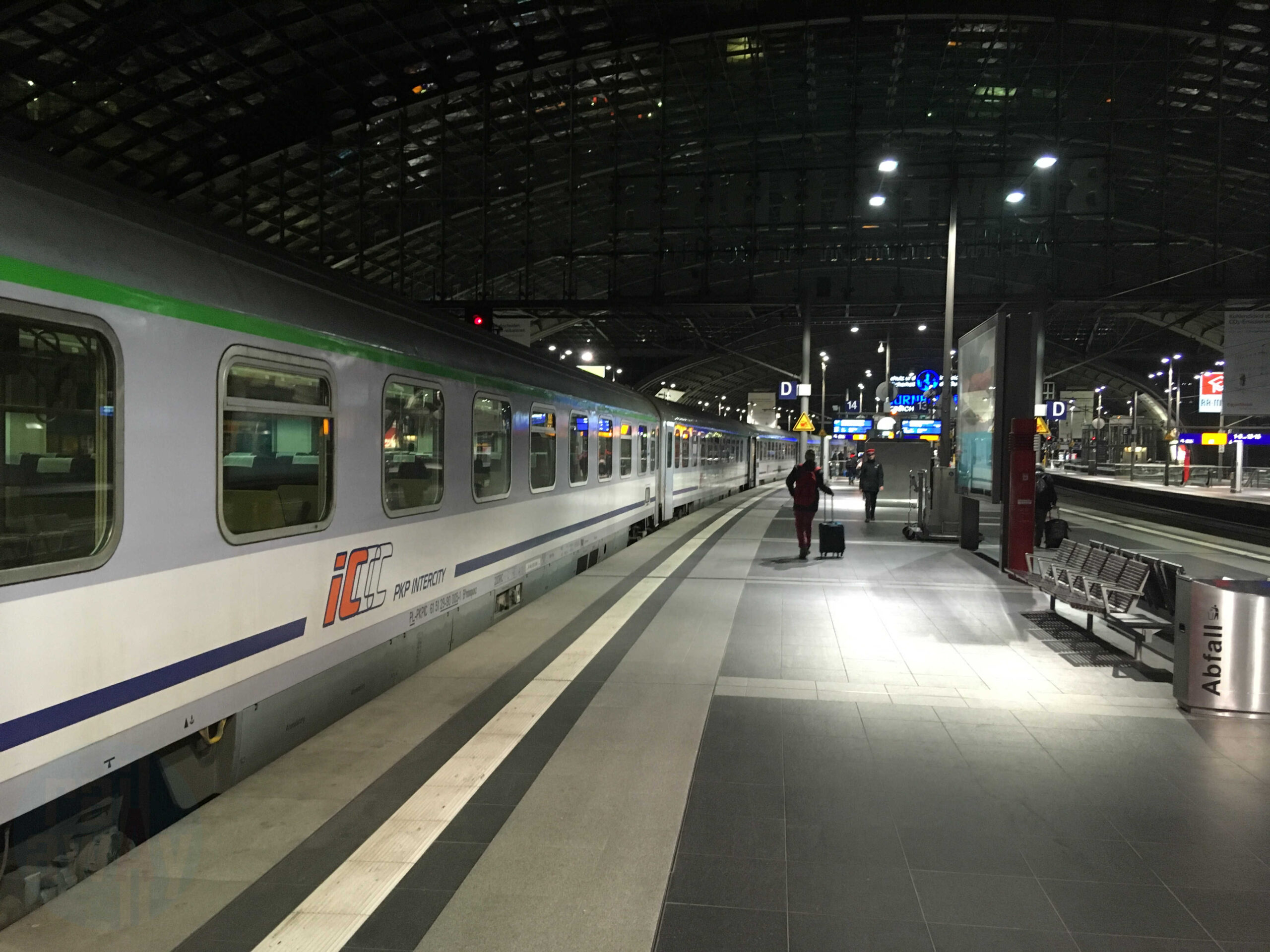
It’s a case of take your pick when it comes to sleeper trains from Hungary to Romania as there are a multitude of them to choose from! Sleeper trains are very popular on this market, primarily due to the long distance of 763 km from Hungary’s capital, Budapest, to Romania’s capital, Bucharest, but also due to the slow line speeds en-route.
If you’re travelling from Budapest to Bucharest, there are the ‘Ister’ and ‘Muntenia’ trains, operated with Romanian Railways (CFR Călători) carriages. There is also the ‘Dacia’ Express serving the same markets, however, this train is more exciting. First of all, it has an extra long journey to make, secondly it has better onboard facilities and thirdly for the views in Romania. Read on to find out more!
The Dacia starts its journey further west in Vienna, Austria making for an epic train journey crossing three countries and two borders, providing a key link connecting western Europe to Romania and beyond.
For those travelling from Budapest to Braşov, to perhaps explore the fantastic medieval buildings in the city, there is the added option of the Corona InterCity. This is a favourite sleeper train of mine, being formed of exclusively carriages of the Hungarian Railways (MÁV-START) and featuring a sleeping car from the 1960s. There is also a full restaurant experience available onboard! Read all about it here if you are interested!
Back to the Dacia Express, I travelled for the full duration from Vienna through to Bucharest in June 2024. Let’s kick things off with the all important route map:
- Vienna
- Bucharest
- Hegyeshalom
- Mosonmagyaróvár
- Győr-Moson-Sopron
- Tatabánya
- Kelenföldi Resti
- Ferencvárosi Polgármesteri Hivatal
- Keleti Károly Közgazdasági Szakközépiskola
- Szolnok
- Békéscsaba
- Lőkösháza
- Curtici
- Arad
- Deva
- Simeria
- Orăștie
- Alba Iulia
- Blaj
- Mediaș
- Sighișoara
- Brașov
- Predeal
- Azuga
- Bușteni
- Sinaia
- Câmpina
- Gara Ploiești Vest
Departure from Wien Hauptbahnhof
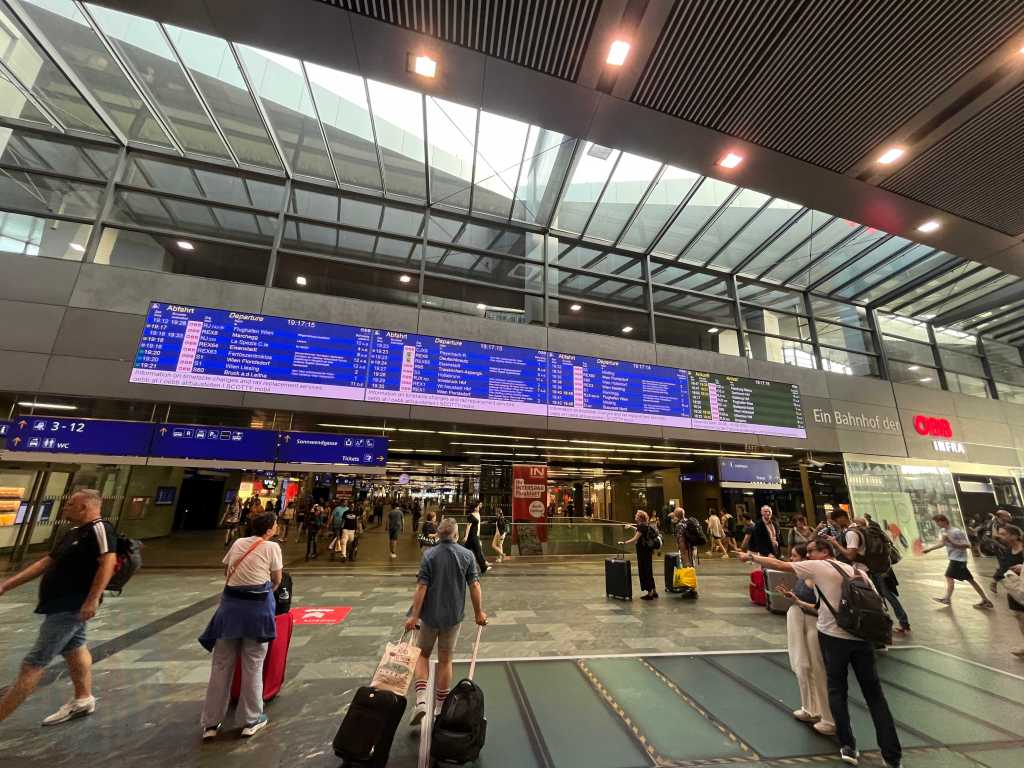
The pristine station of Wien Hauptbahnhof is the origin station of the Dacia Express. This ultra-modern station opened in 2012 and still looks brand new to this day.
Facilities are aplenty in this hub station, including a staffed booking office, ticket machines, left luggage lockers, a food court and a First Class lounge. There are also supermarkets in the station, handy for stocking up for such a long journey such as this! This includes a very chaotic Spar with its strange divide between the drinks section and other sections of the supermarket – required by law. There’s also a more spacious Billa on the lower ground floor. I wish I had discovered this latter supermarket before this trip for a more relaxed shop!
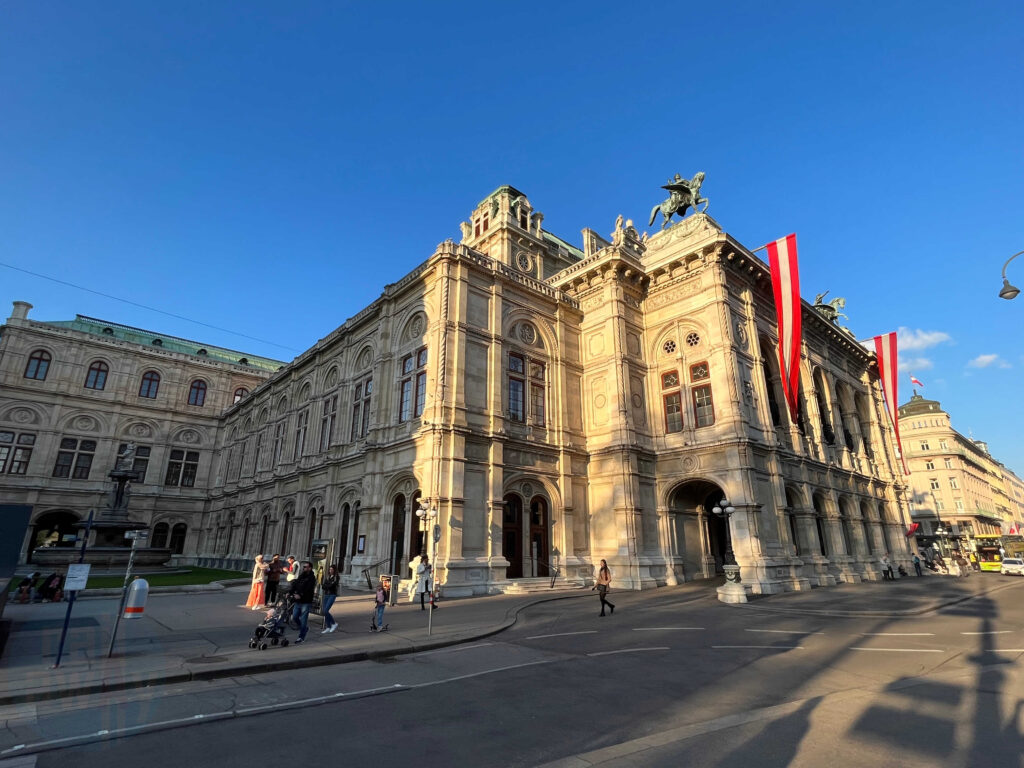
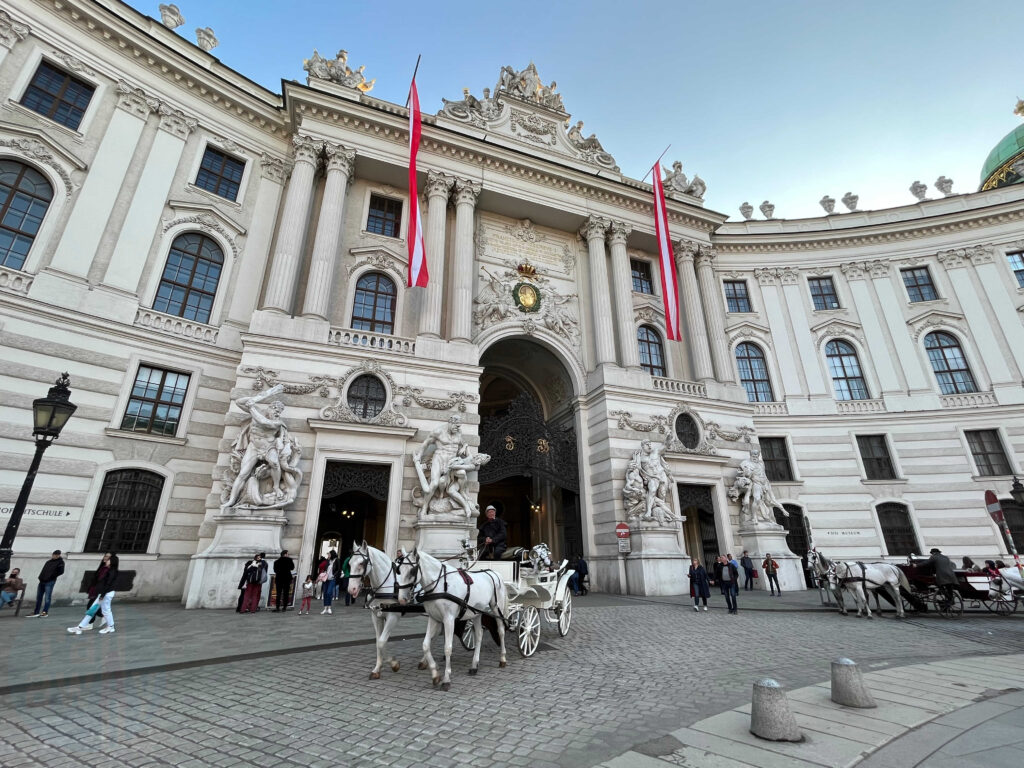
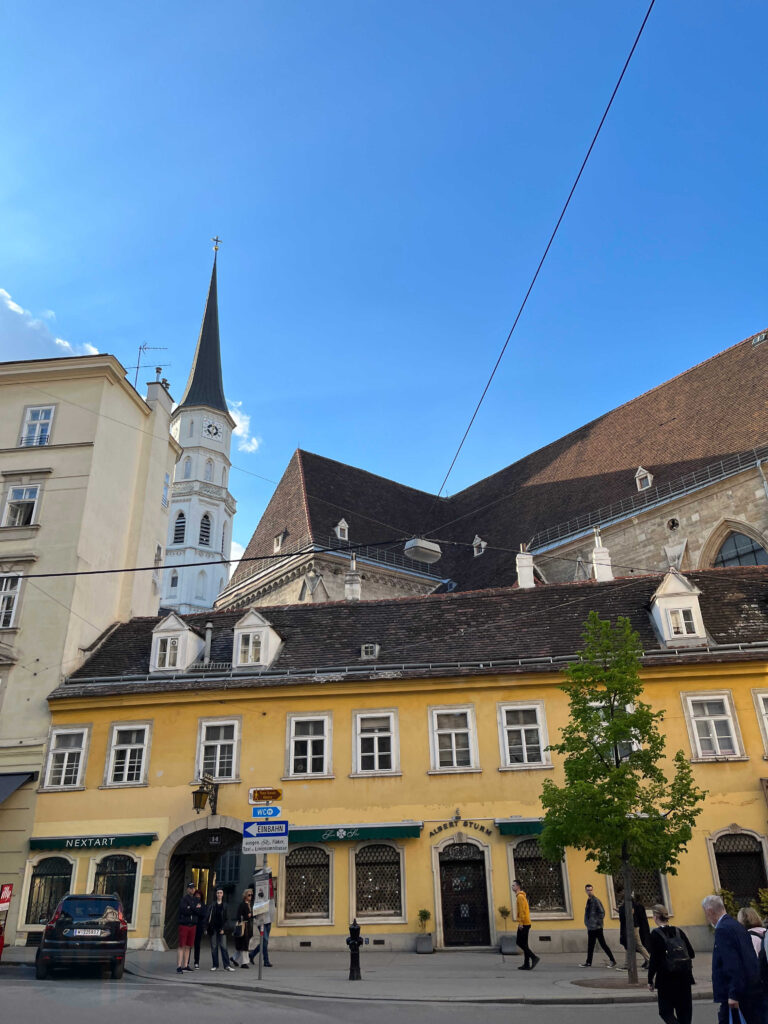
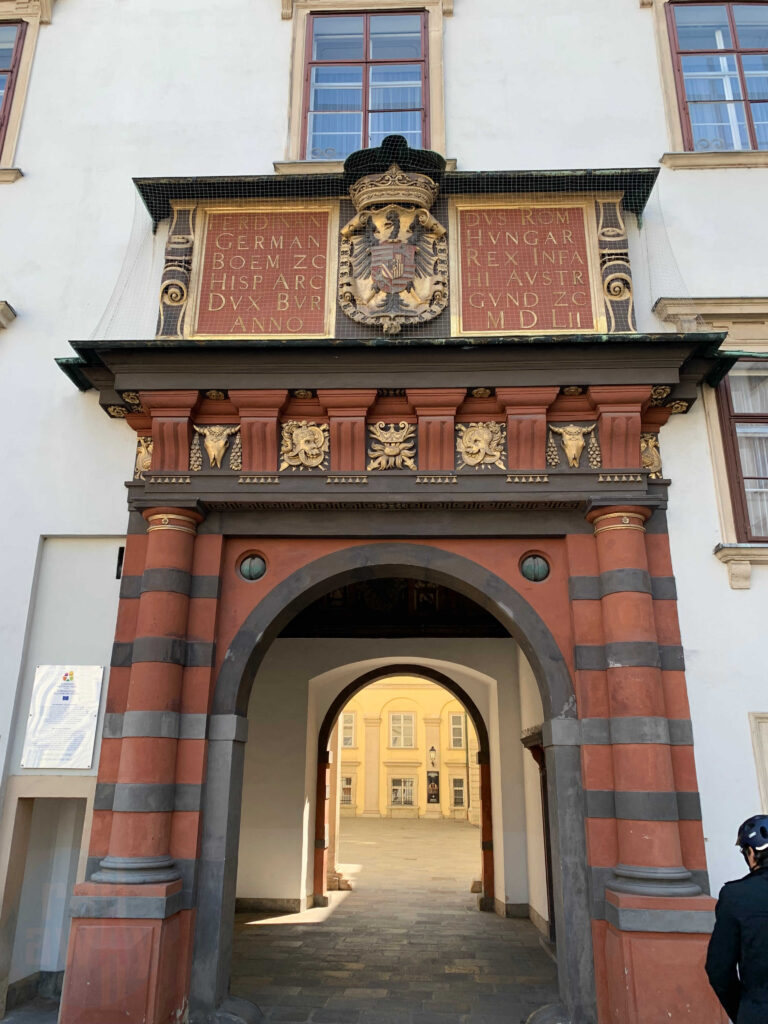
Highlights in Vienna City
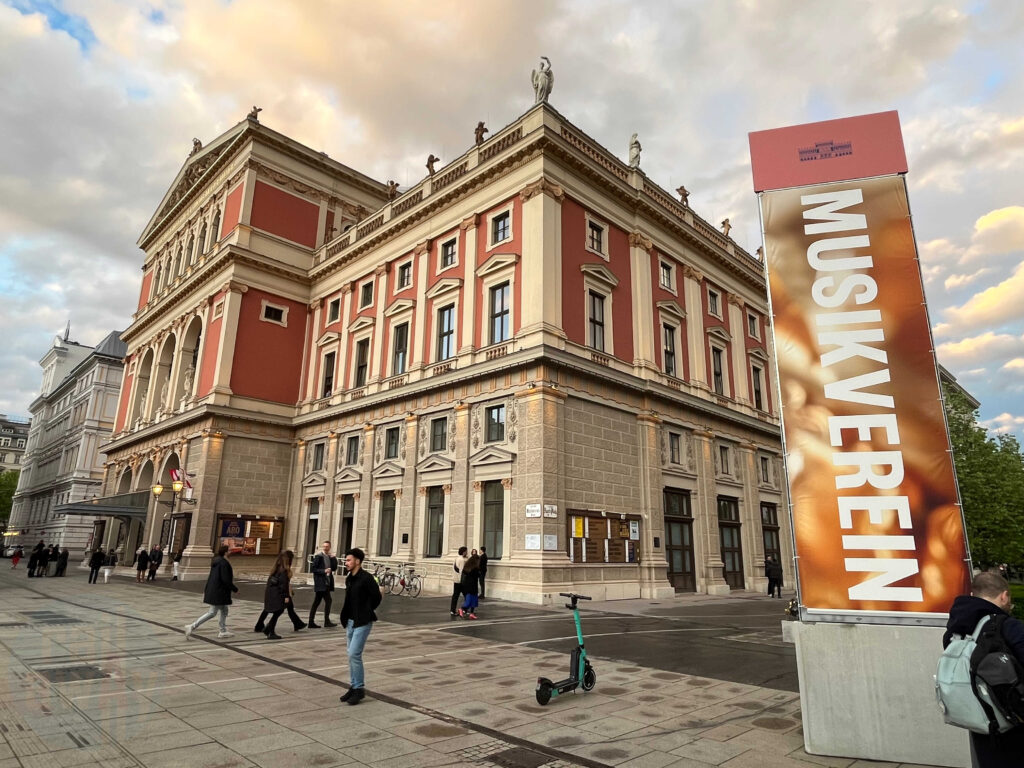
Known mainly for its architecture and music scene, Austria’s capital has so much to offer for a tourist getaway.
During my visits to Vienna, I recommend:
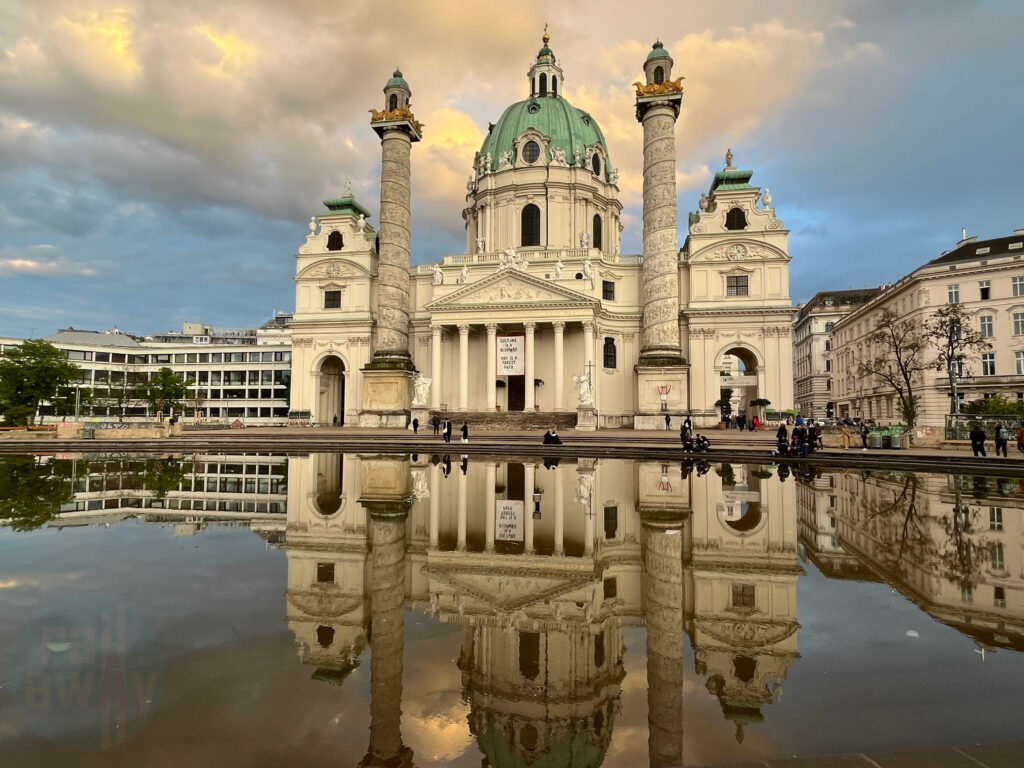
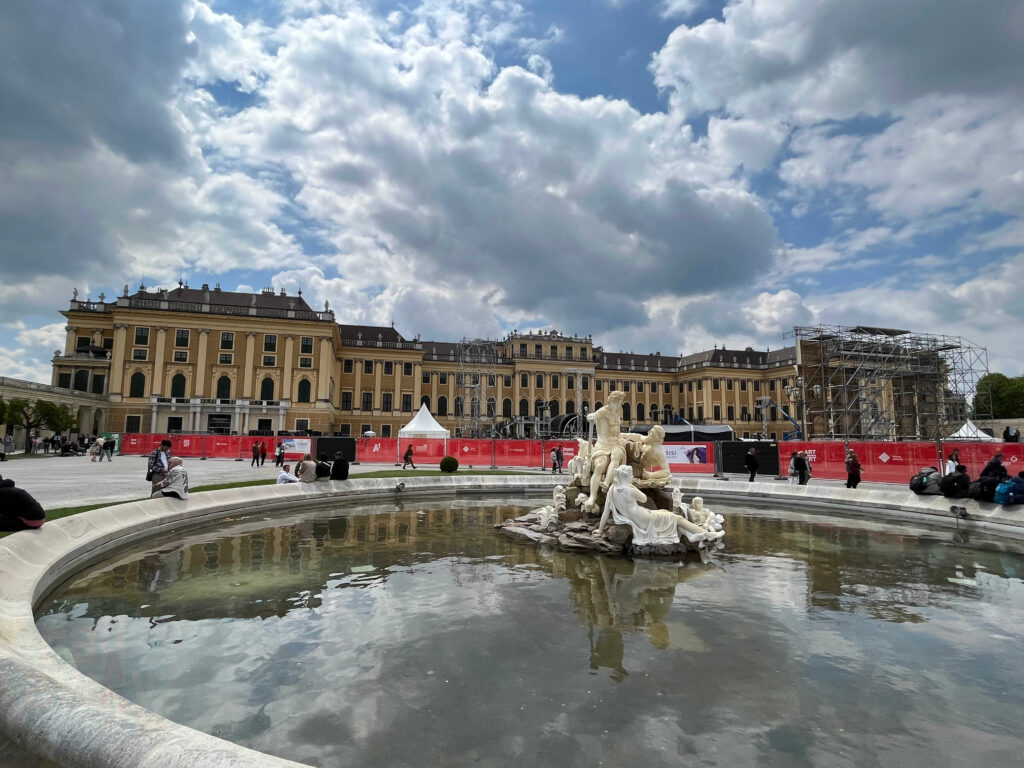
- Schönbrunn Palace and Gardens
- Hofburg Palace
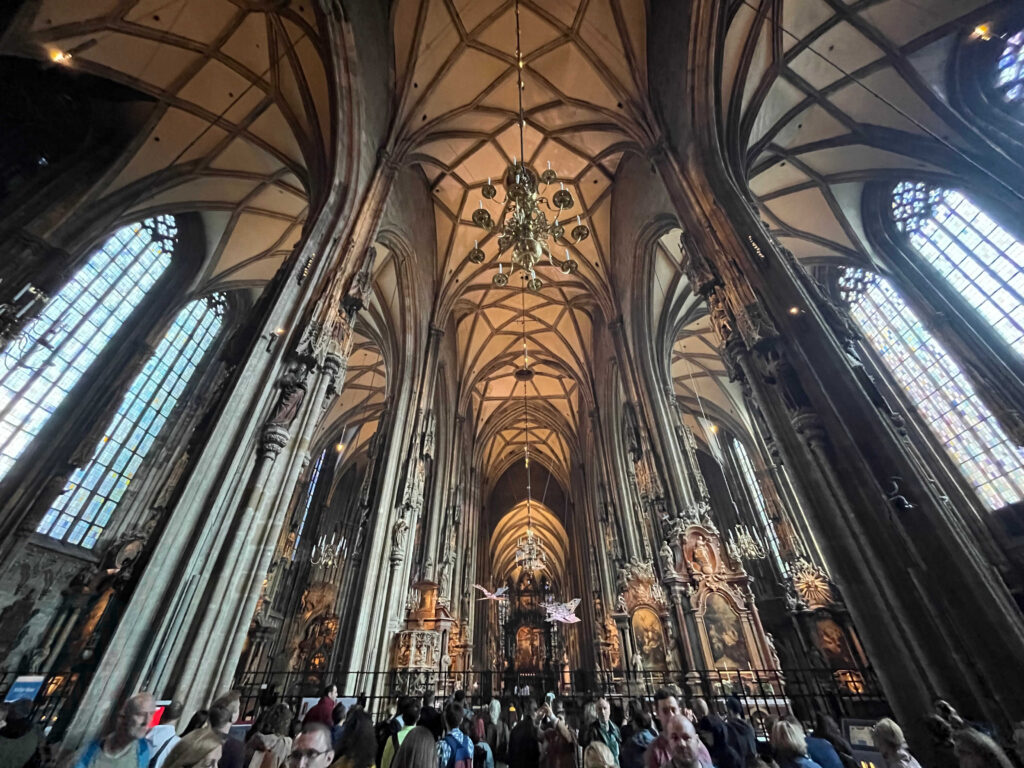
- St Stephen’s Cathedral
- Vienna State Opera
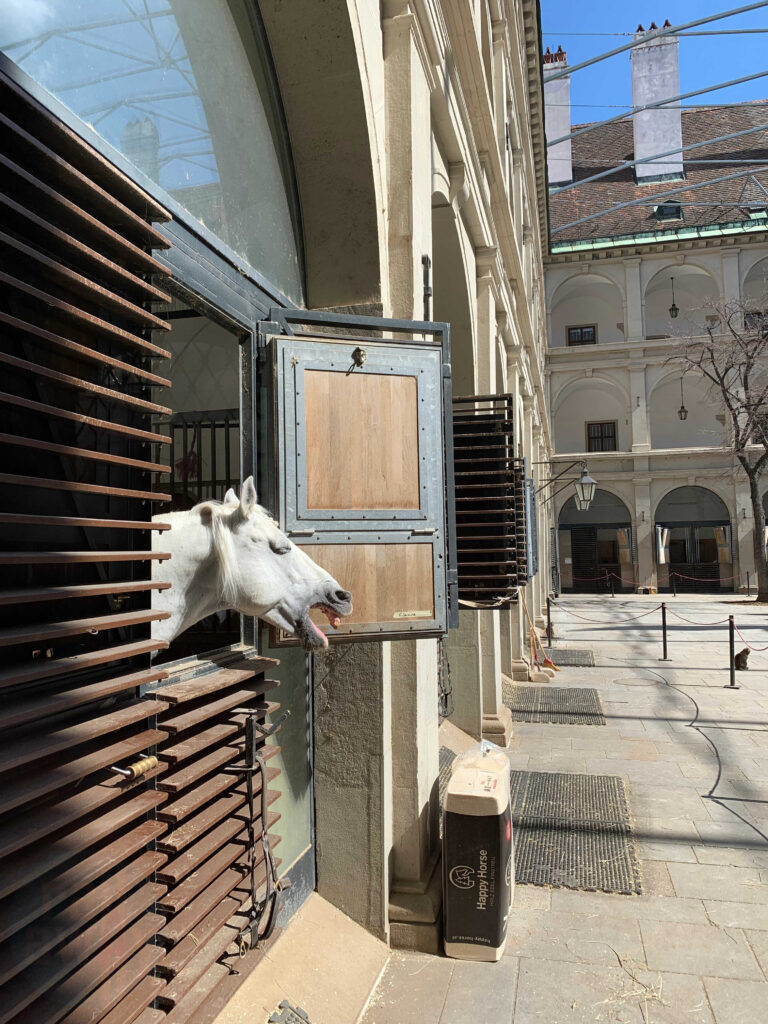
- Spanish Riding School
- Albertina Museum
- Vienna City Hall
- Sachertorte at Hotel Sacher
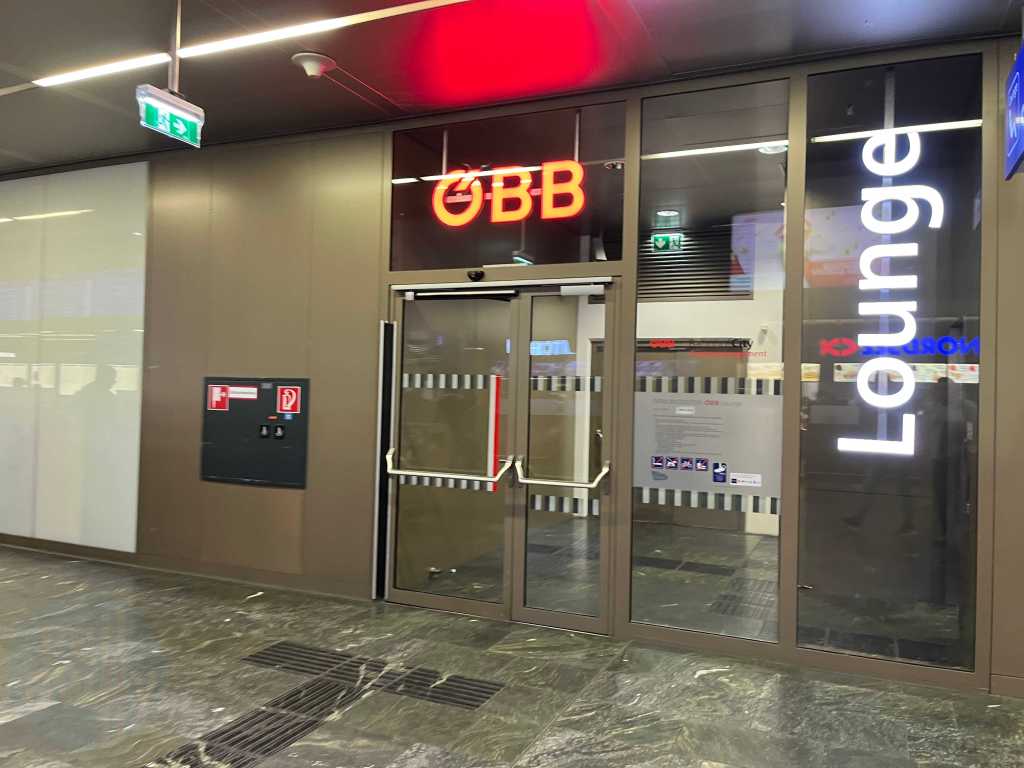
Relax in the ÖBB Lounge
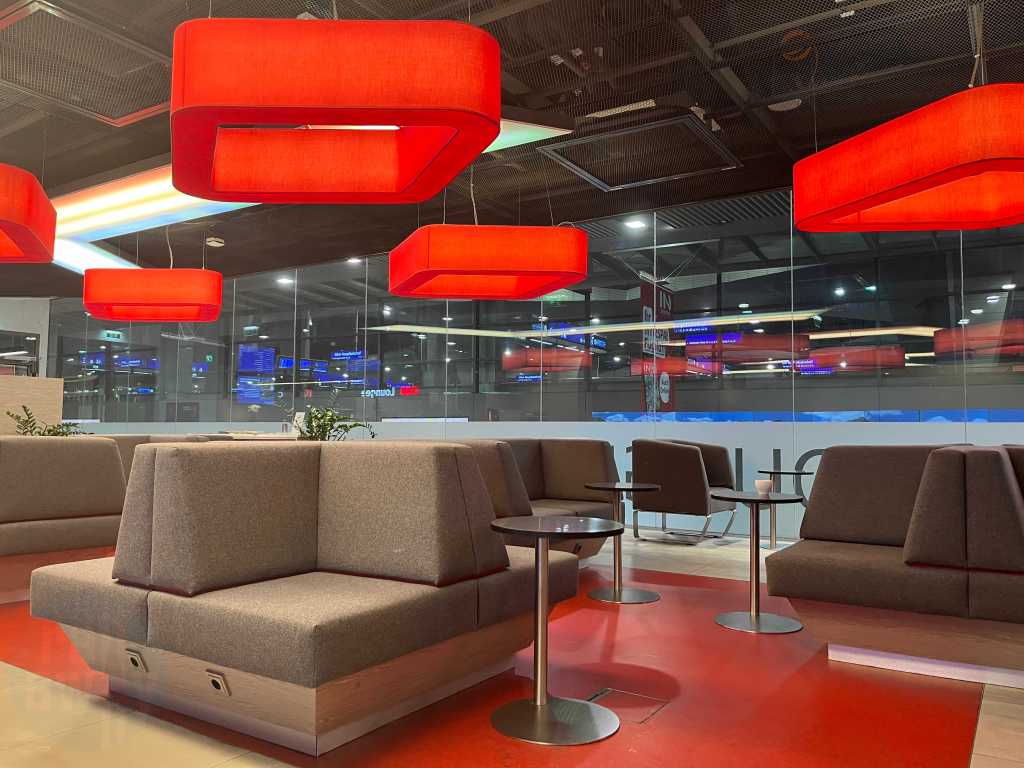
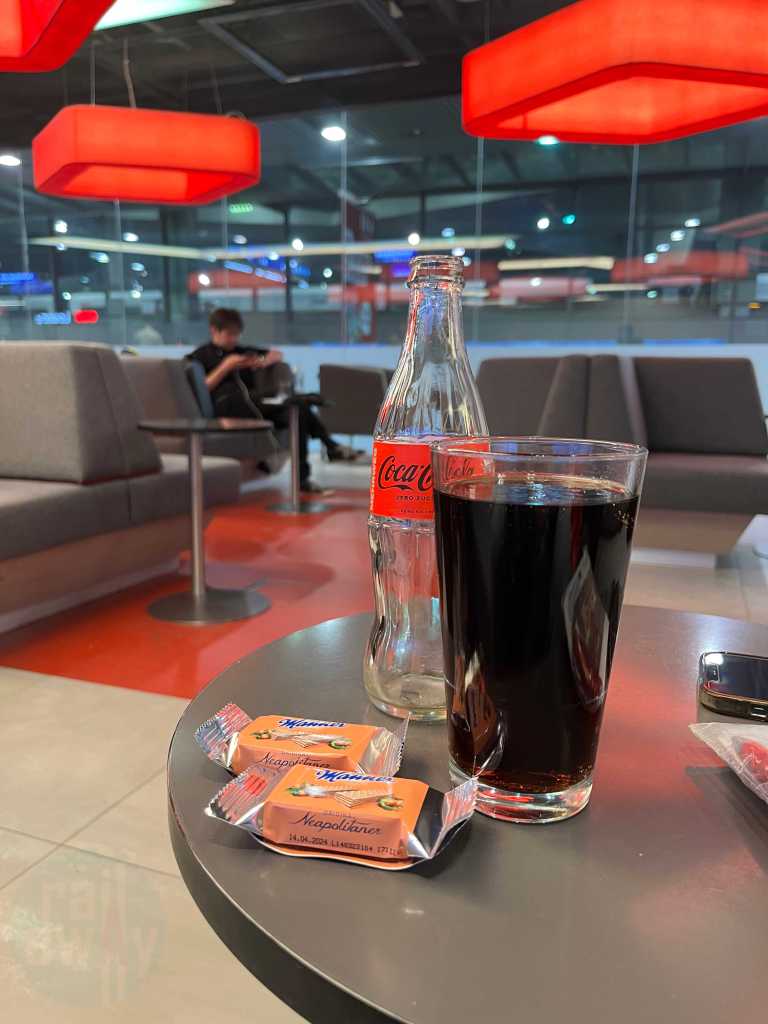
A real treat for a journey from Vienna when travelling in a sleeping car is the ability to visit the ÖBB Lounge prior to departure to escape the busyness of the station and unwind before a long trip.
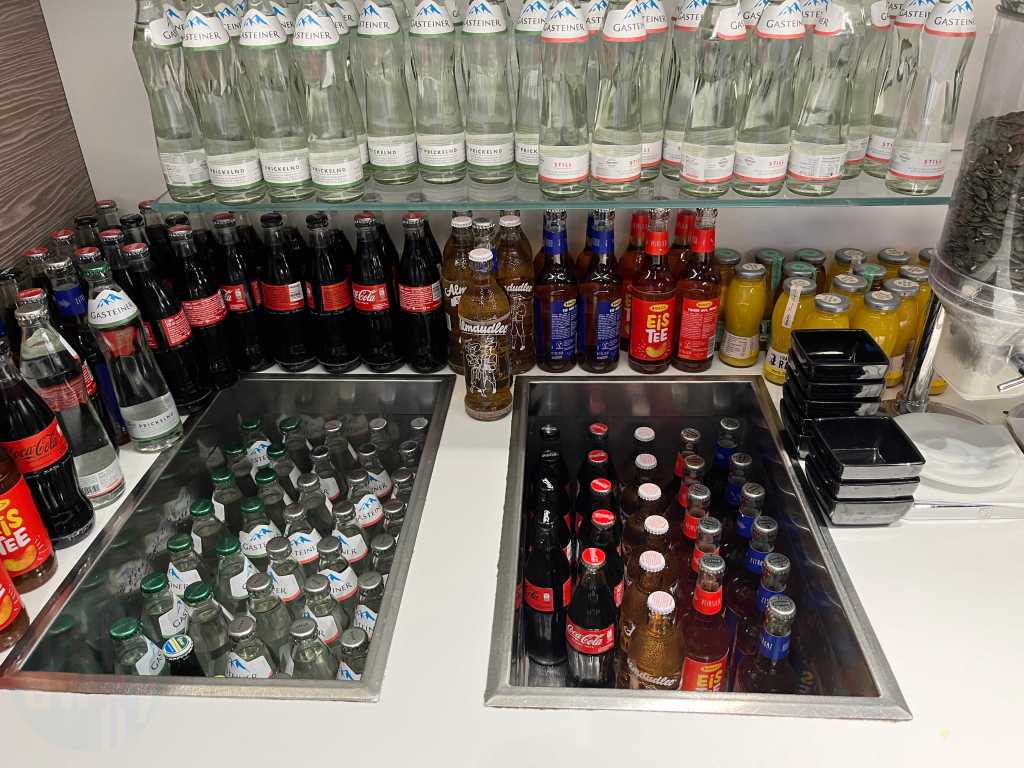
The lounge is situated above ground level, accessible by lift or stairs from the main concourse. In the lounge, a host checks your ticket on arrival and there are complimentary soft and hot drinks and snacks to enjoy in moderation.
Onboard the Dacia Express
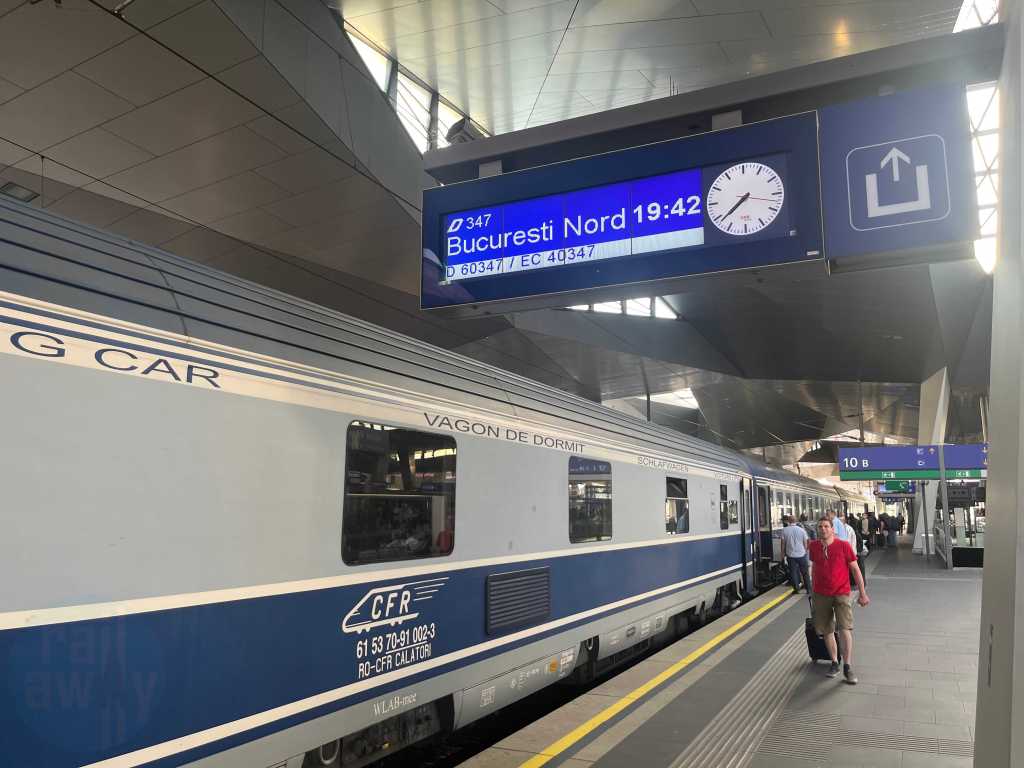
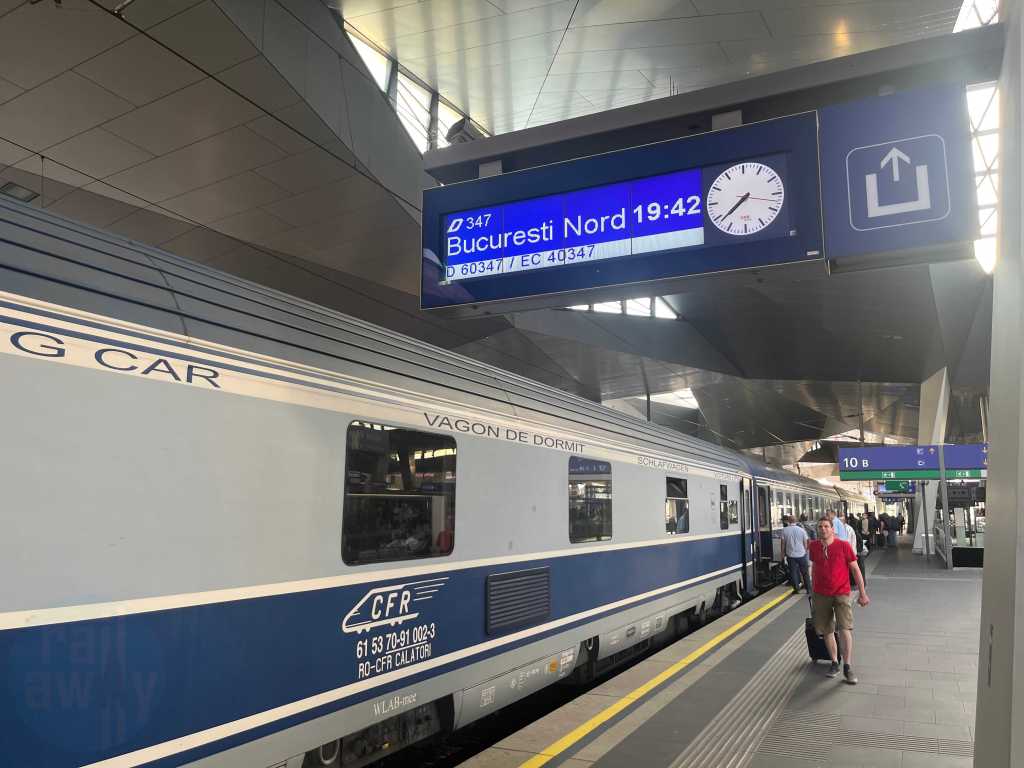
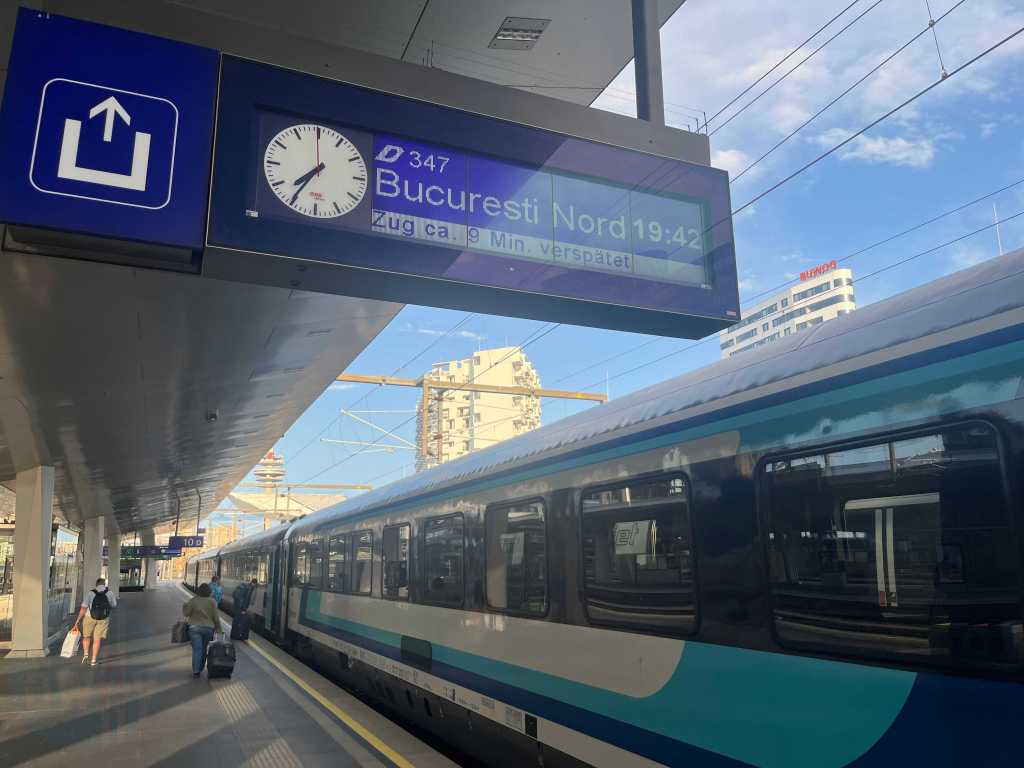
Typically, the Dacia Express departs Wien Hauptbahnhof (Hbf) at 19:42, arriving at Budapest Keleti at 22:20 and departing at 23:10. The train arrives at Bucuresti Nord at 15:06 the following day. This promised to be an epic adventure.
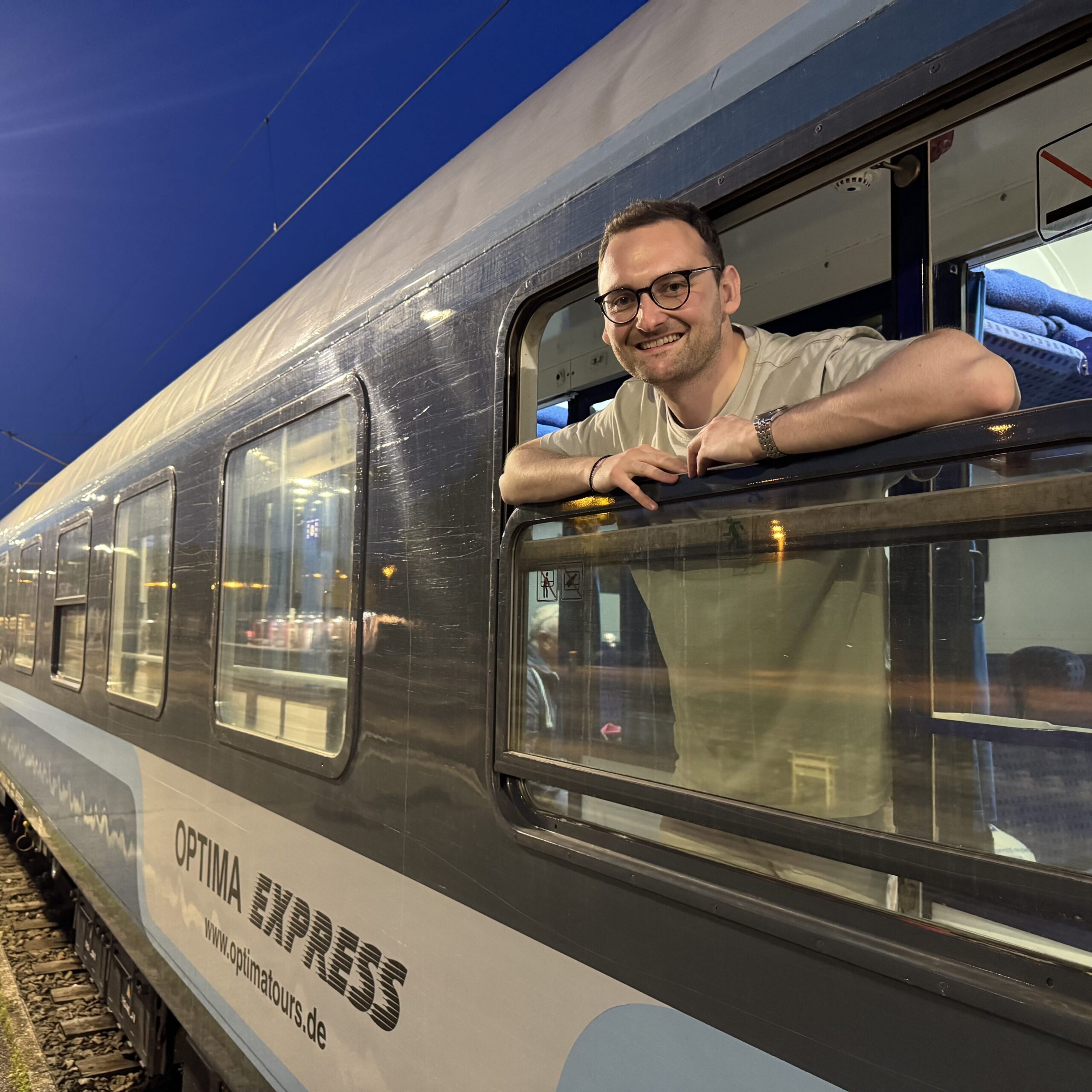
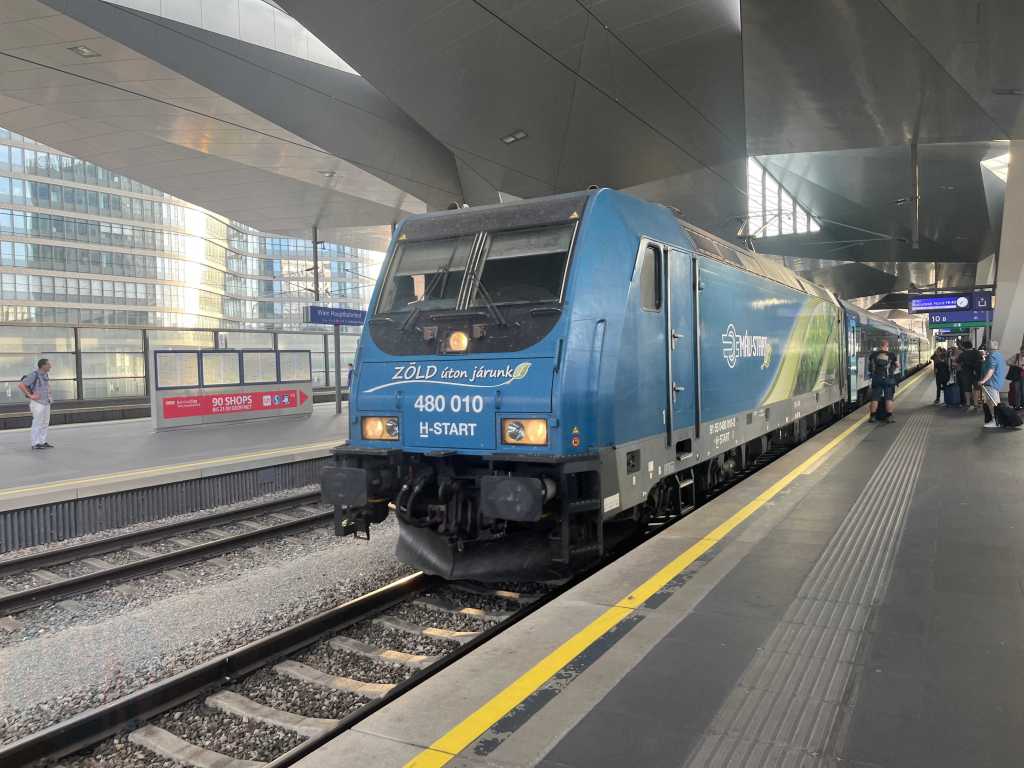
On platform 10 at Wien Hbf, our Dacia Express arrived on the platform only a few minutes before this scheduled departure time meaning the train left approximately twenty minutes late. This was a beginning trend of things to come.
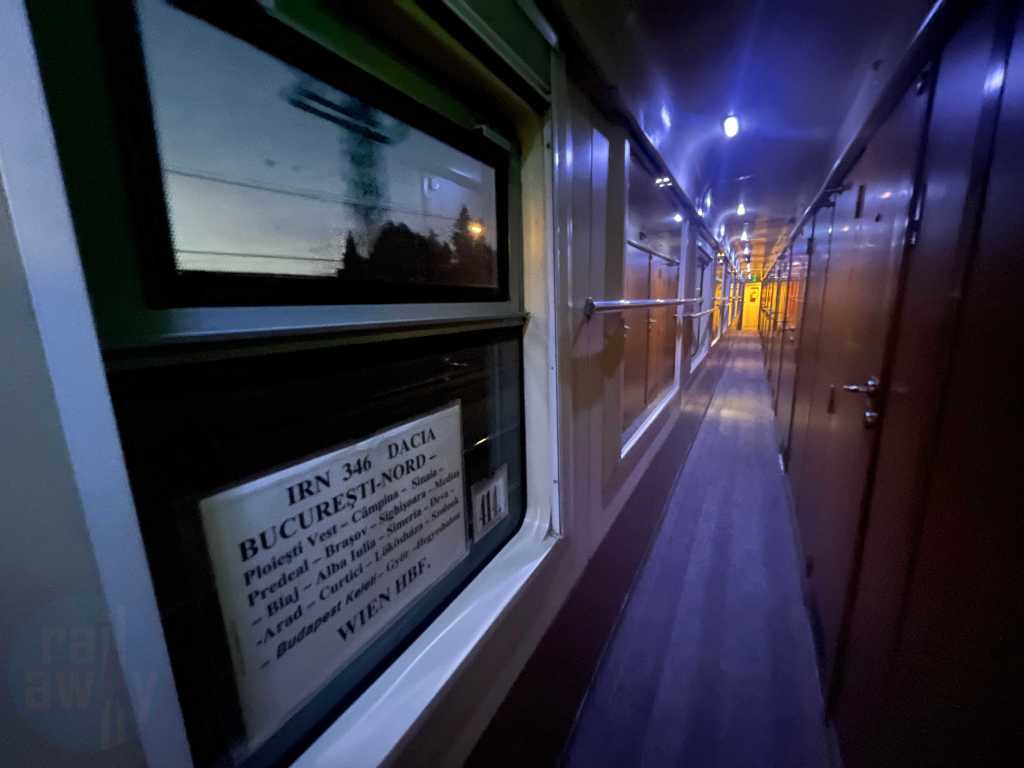
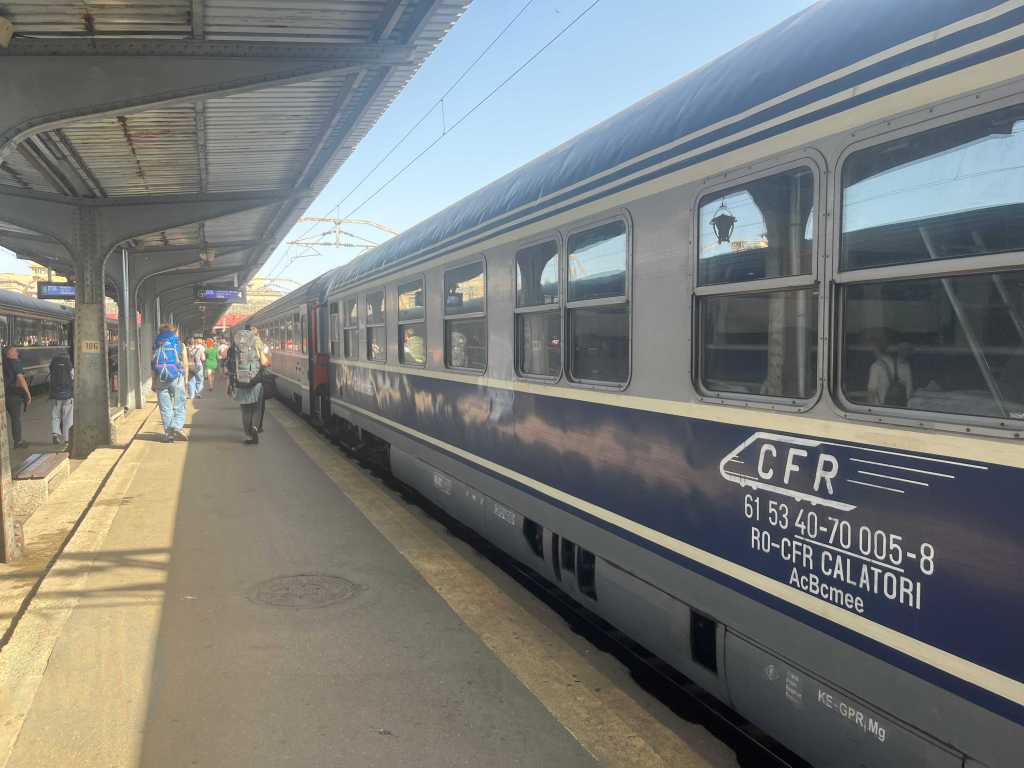
The Dacia Express train starts its journey with eleven carriages conveying various accommodation types and also train carriages serving different destinations.
Of these, for the full trip from Vienna to Bucharest, there are typically two CFR sleeping cars, one CFR couchette car and two CFR seated cars. There is also a CFR couchette car bound for Cluj Napoca that is detached early morning in Simeria.
The train from Vienna also conveys Hungarian MÁV-START seated carriages as far as Budapest Keleti. This includes a wonderful Hungarian restaurant carriage, which are one of the best in the business! If you’ve seen a few of my travel reports you’ll know I’m a huge fan, so as you might have guessed this will form part of the trip!
Sleeping Car Accommodation
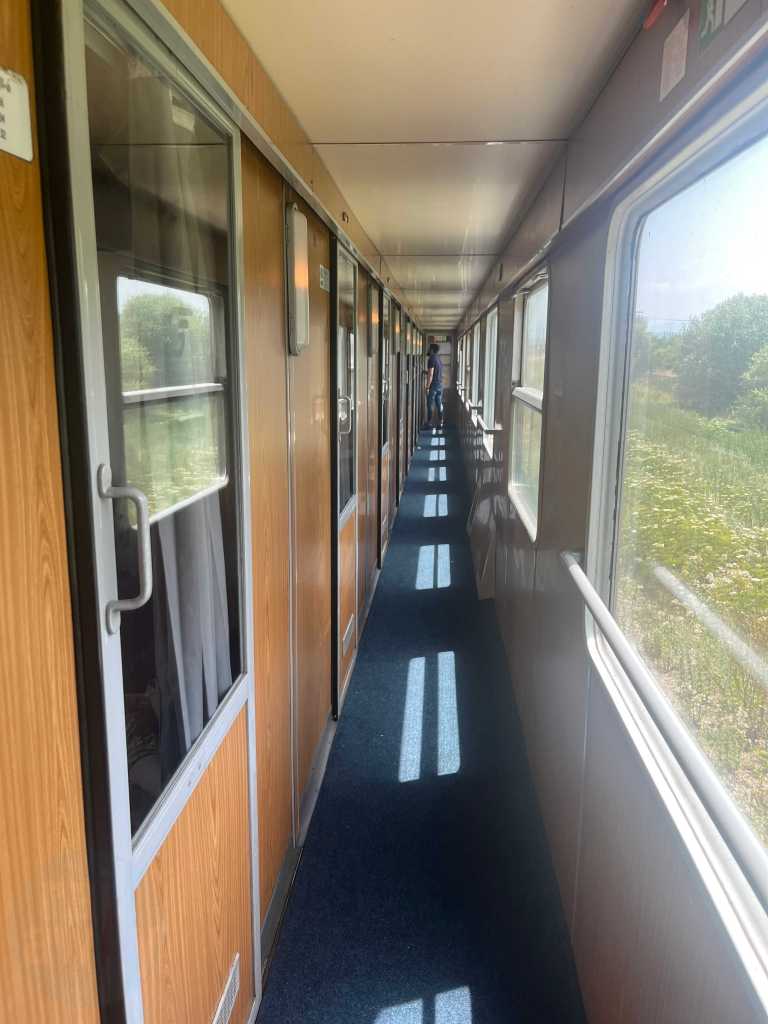
The sleeping cars used on the Dacia Express tend to be the newest sleeping car of the CFR, featuring air-conditioned compartments, some with en-suite bathrooms with showers.
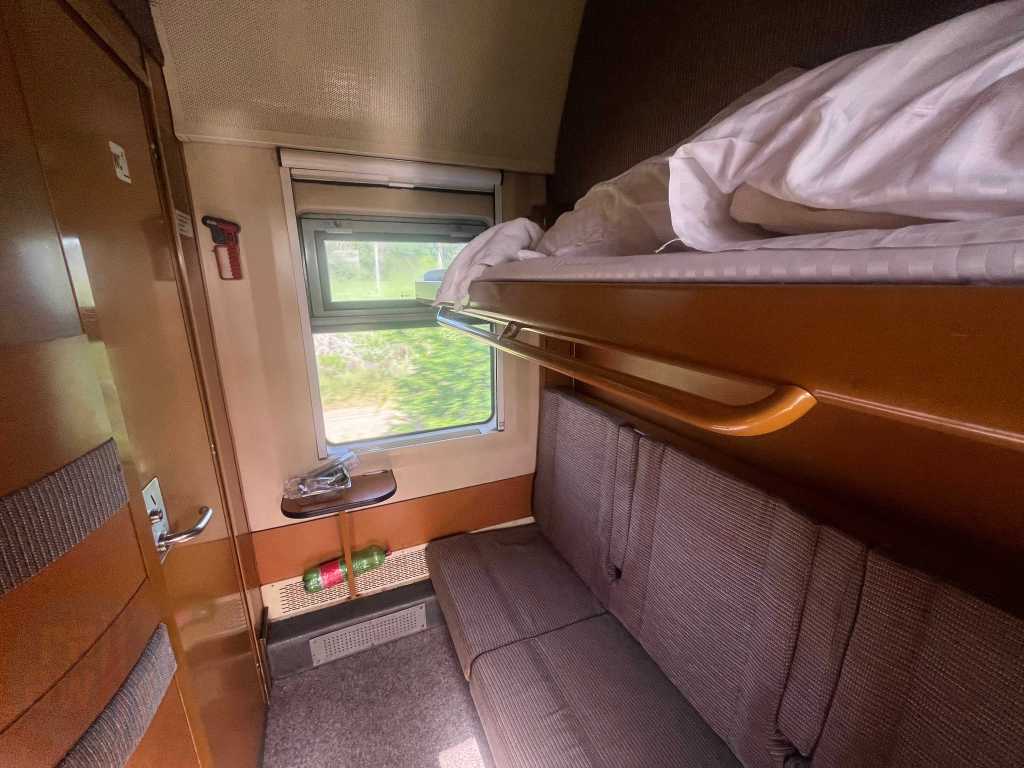
All the compartments feature at least a wash-basin, two or three beds in bunk bed formation and a standard European power socket. There are two toilets at each end of the carriage with a shower available and a dedicated sleeping car attendant to look after you on the trip.
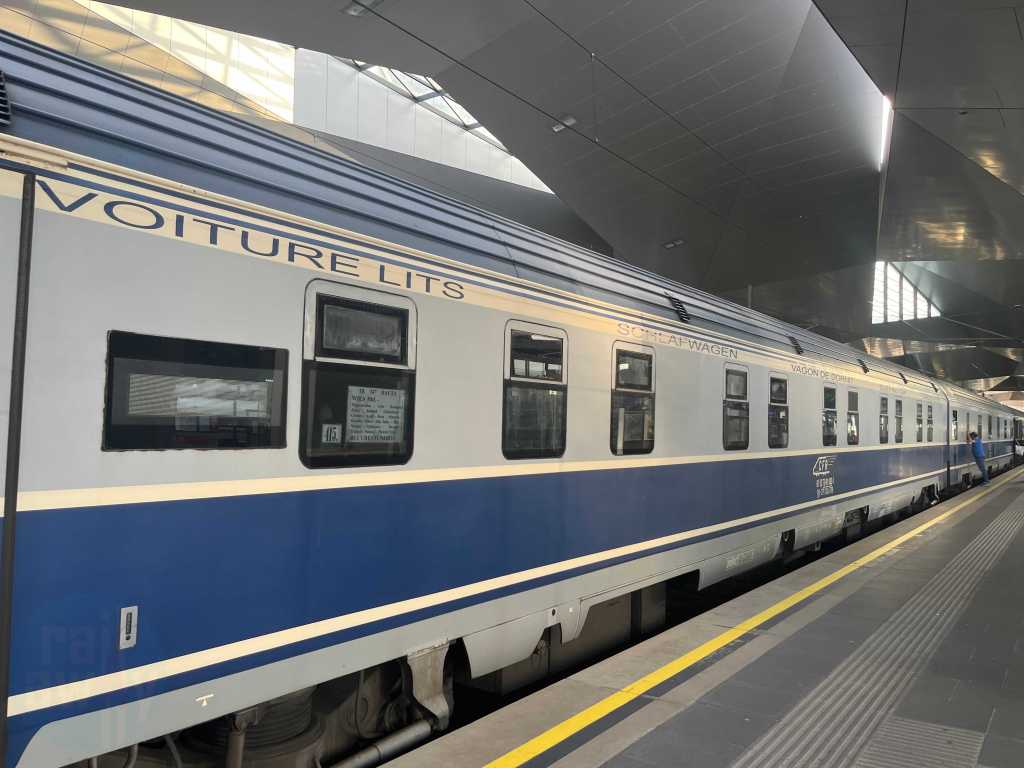
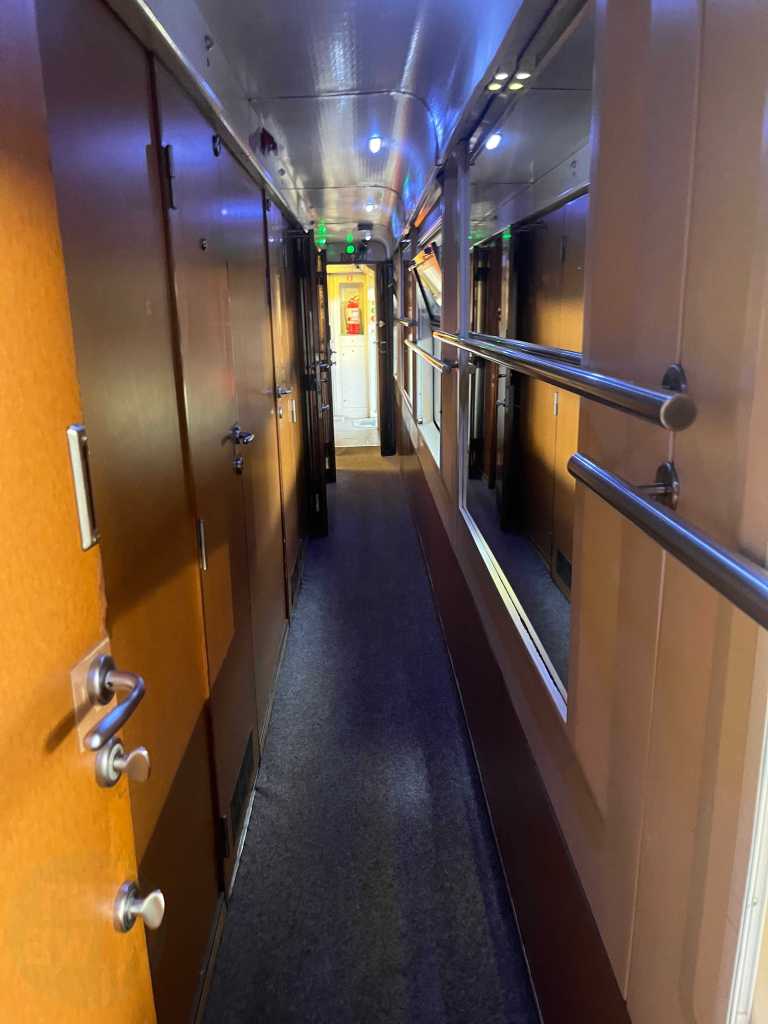
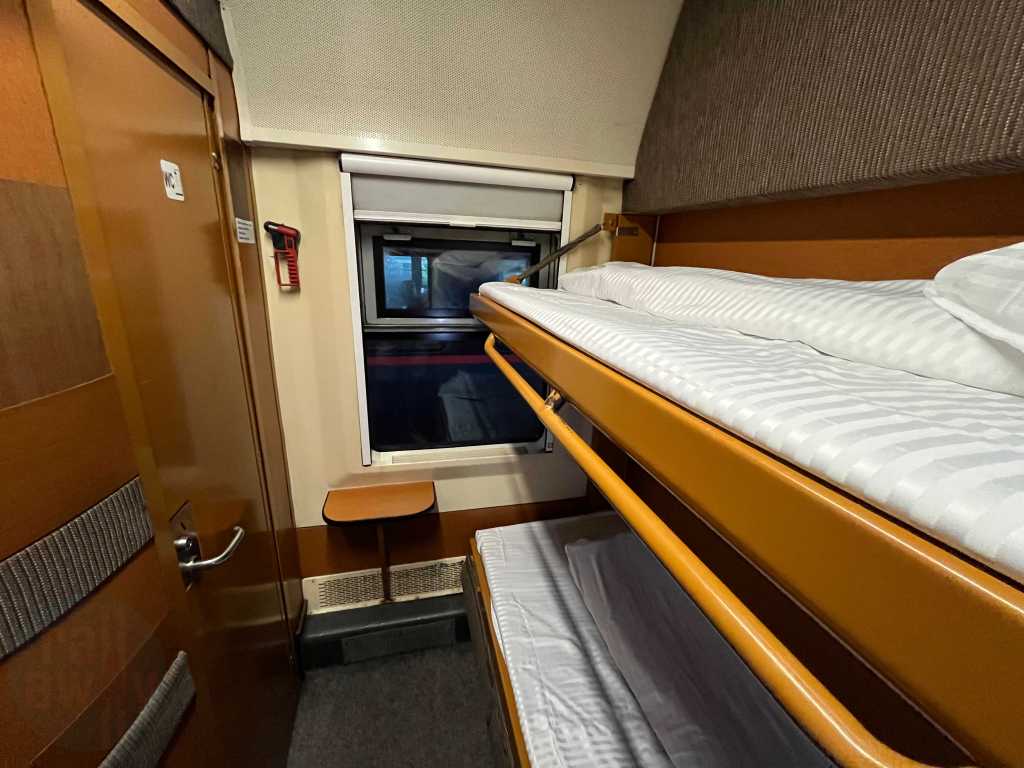
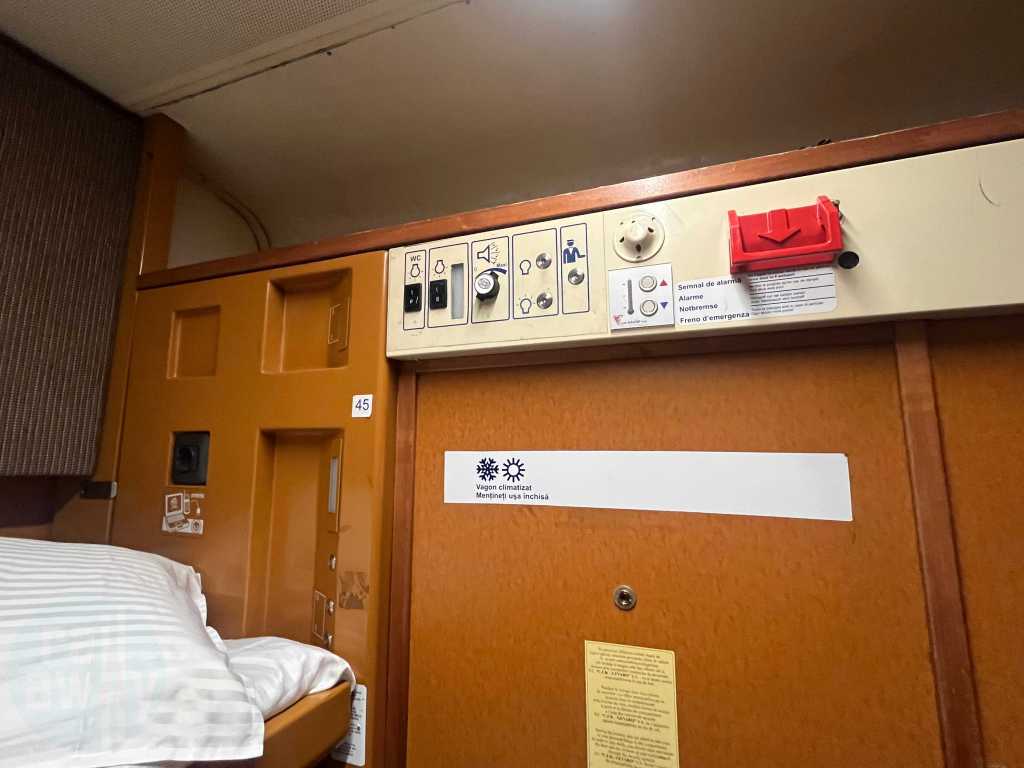
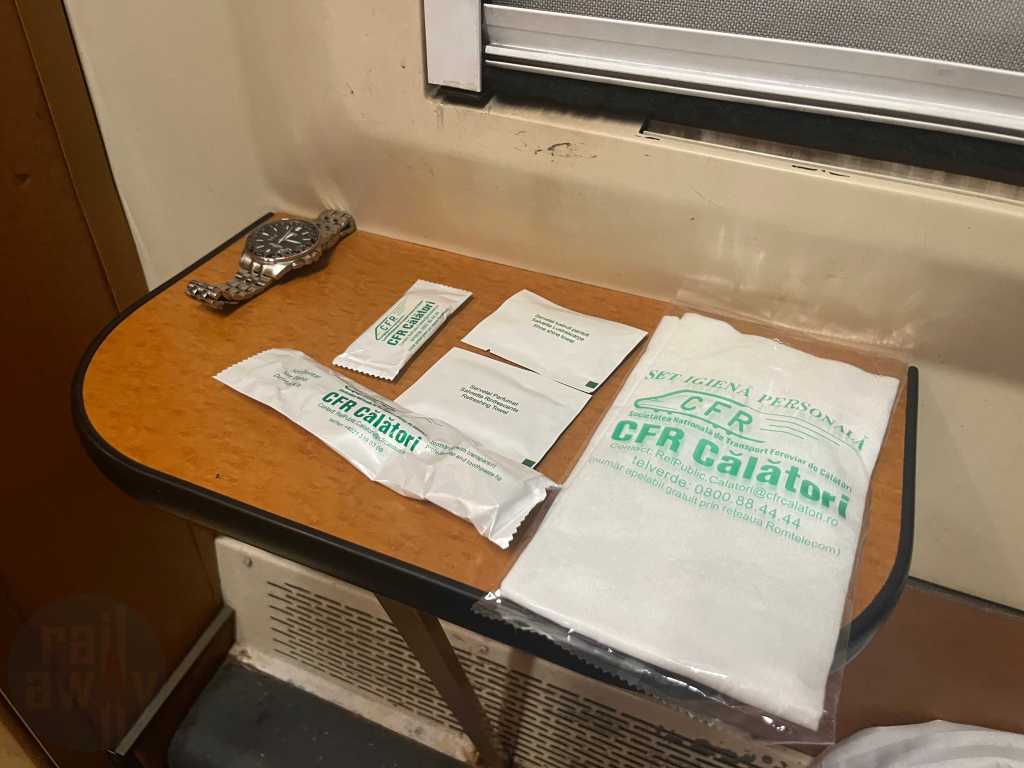
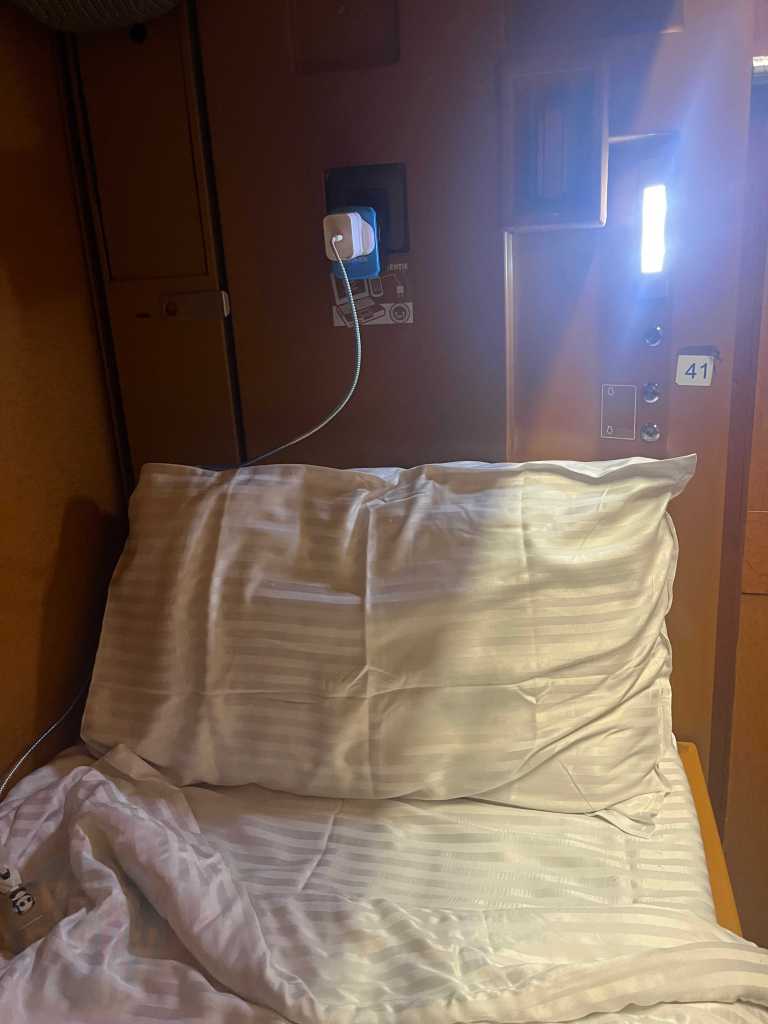
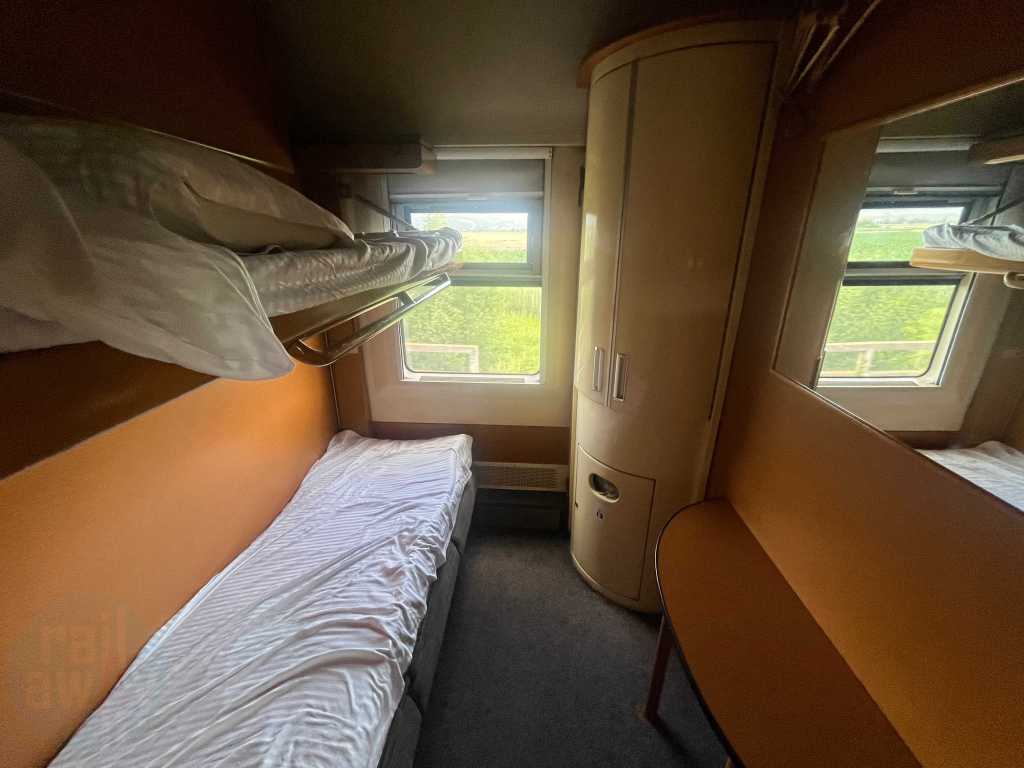
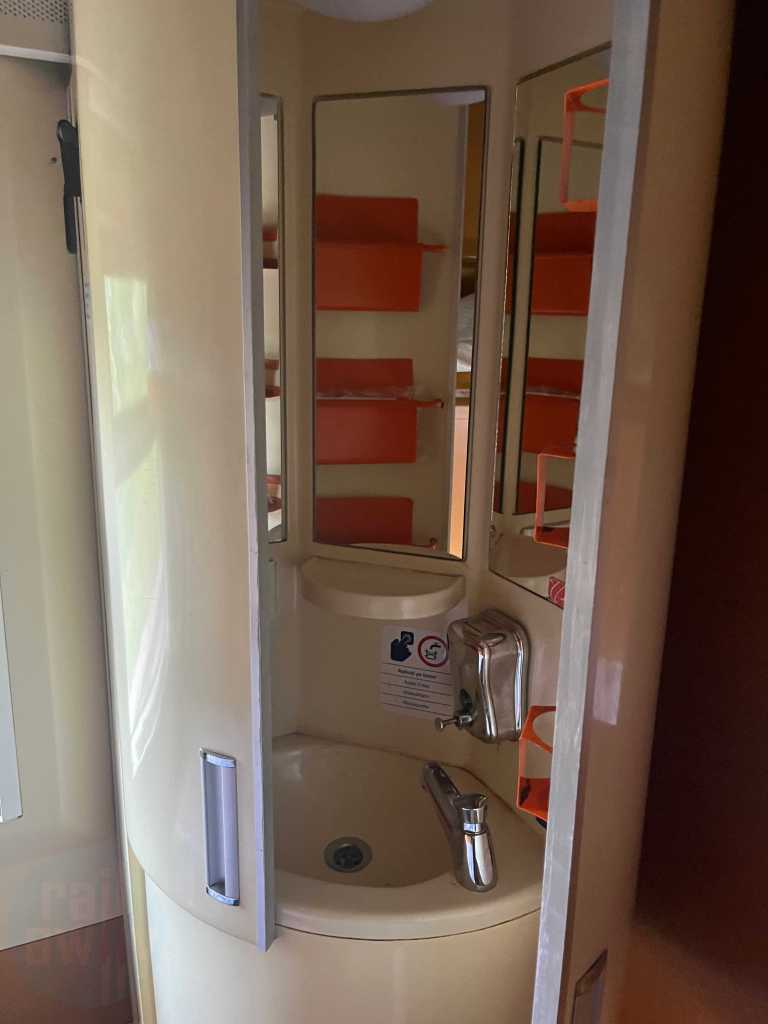
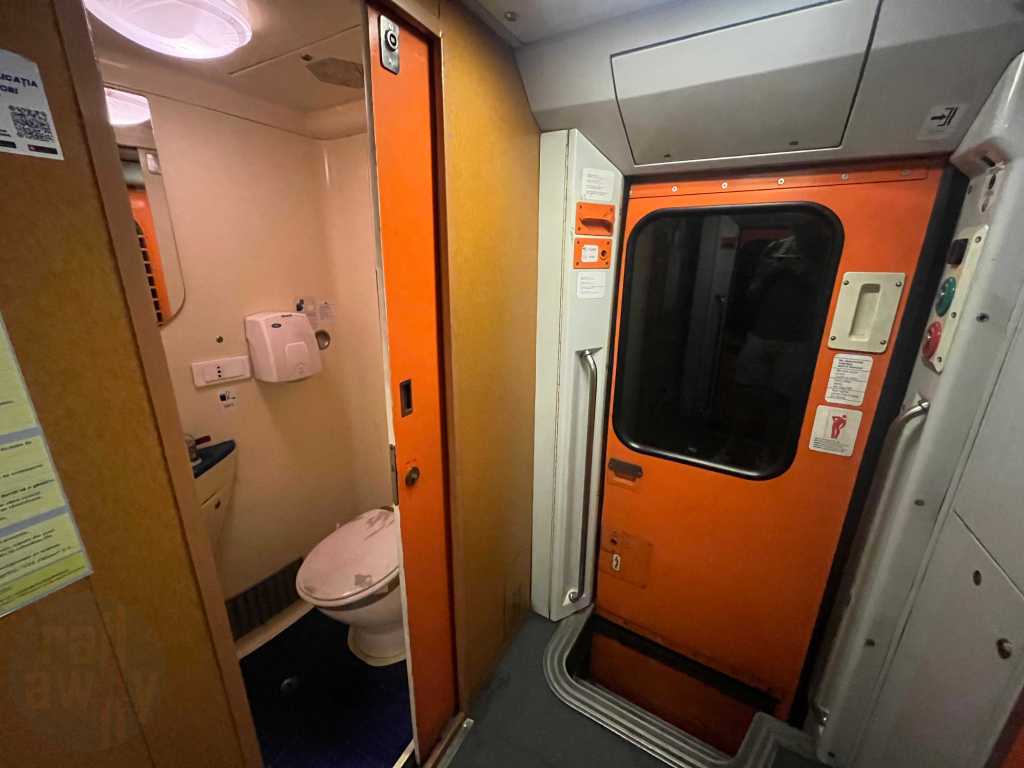
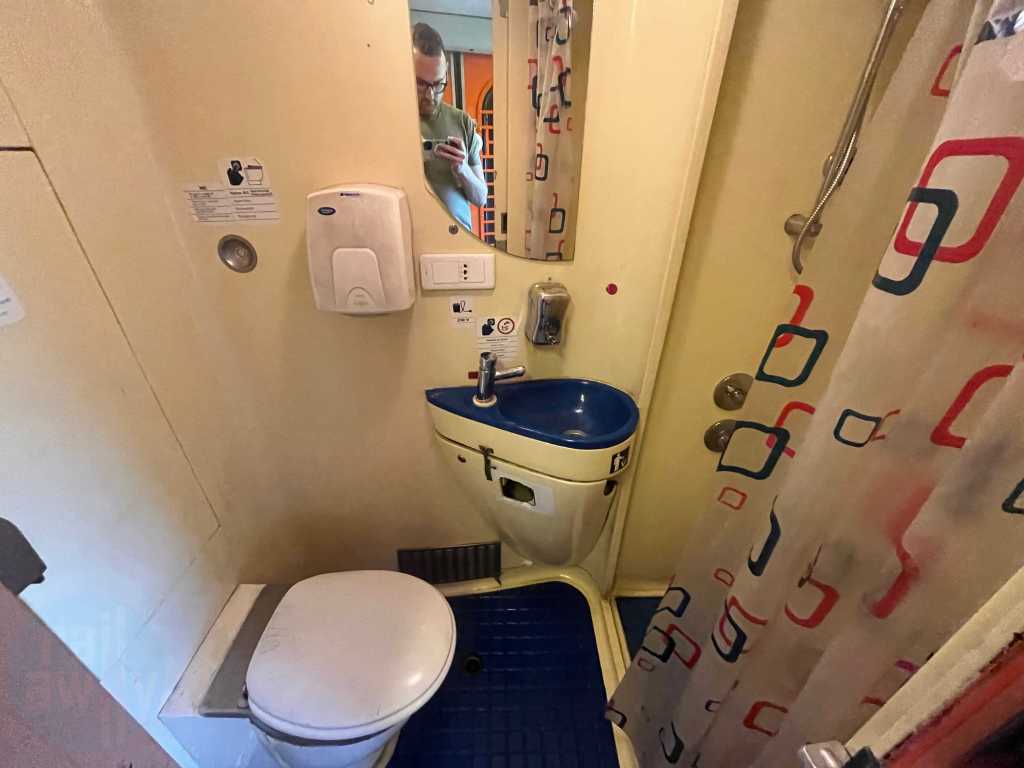
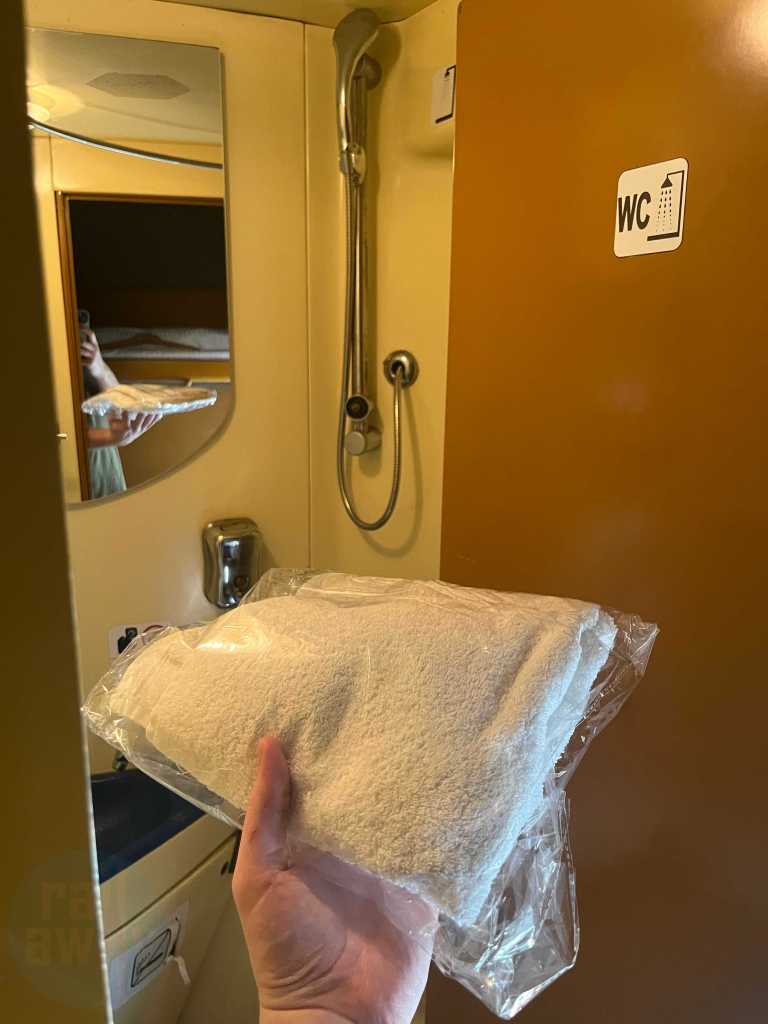
I had lucked out on this trip and had been allocated a compartment with an en-suite bathroom!
It is largely left to chance whether you will be allocated an en-suite bathroom on the Dacia Express. There is no way to specify or pay extra to get one when booking online. You could try your luck booking a specific compartment with a travel agent or at a station – compartment berths 21/25, 31/35, 41/45 and 51/55 all have en-suite bathrooms.
It is important to bear in mind that there is always a chance that the sleeping car is replaced with another type that doesn’t have the en-suite. This is probably the reason why a supplement isn’t charged for the en-suite compartments on the Dacia Express unlike on the NightJet, for example, that does charge extra for such a luxury.
The CFR sleeper compartment was clean, at least by CFR standards who don’t have the best reputation for cleanliness! In my experience, they do seem to make more effort on the sleeper trains compared to the day time trains though. The beds were made up with clean bedding and the bathroom was acceptable. Towels aren’t automatically provided, so do ask the sleeping car attendant for a ‘prosop’, towel in Romanian, if you’d like to give it a go.
The CFR sleeping car is showing signs of wear and tear. The pressure of the shower was ok, however, the water in the shower was stone cold. Despite this, in the name of research I gave it a go. I didn’t actually mind this too much as it was mid 30oC temperatures outside.
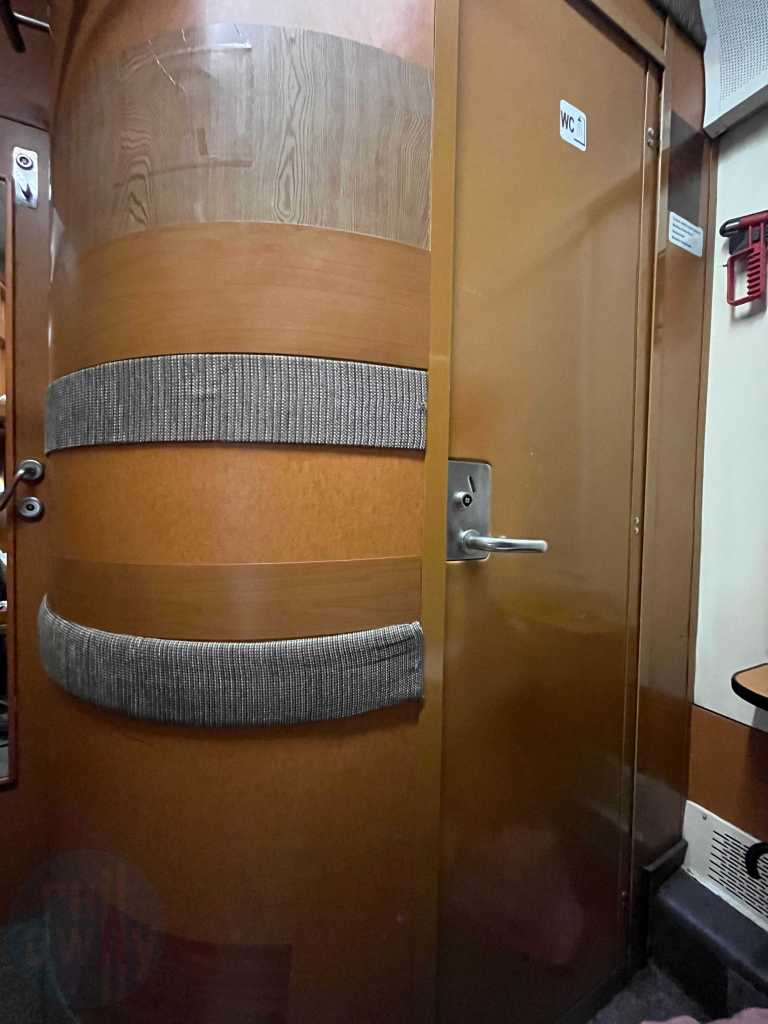
The compartment featured wooden panelling that in parts had been covered up with wood effect stickers, presumably to cover up previous damage. I counted seven different types of wood featured on the stickers – that’s the type of thing you realise when you have eighteen hours to kill on a train!
The night in the sleeping car was relatively comfortable. Unfortunately, as explained below, there are two disruptive border crossings on the Dacia Express in the middle of the night that limits the amount of continuous sleep.
In the morning, unlike on other sleeper trains, breakfast isn’t provided in the Dacia Express sleeping car, making it pertinent to bringing some of your own food and drinks, especially as this is such a long trip.
There is usually a host that knocks on the door in the morning offering coffee for a small fee of 5 lei per cup. The host then proceeded to making multiple trips up and down the carriage later on shouting ‘coffee’, resulting in plenty of opportunities to purchase.
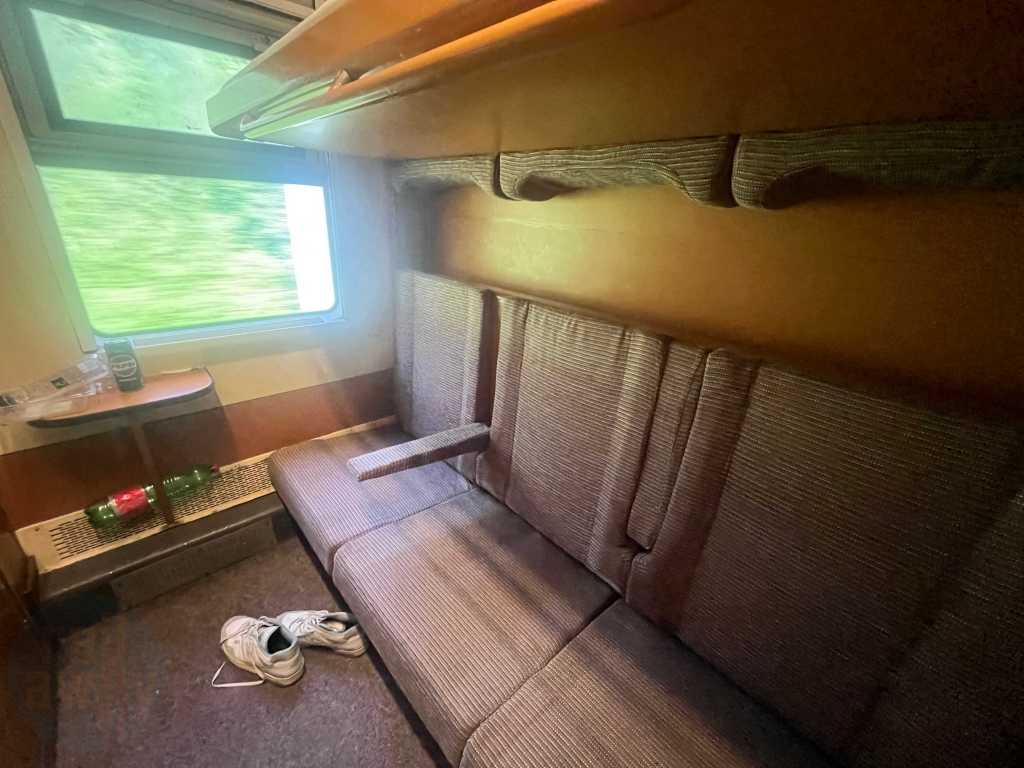
The beds in the compartment can be converted to seats easily by lifting up the casing containing the mattress.
Couchette Car Accommodation
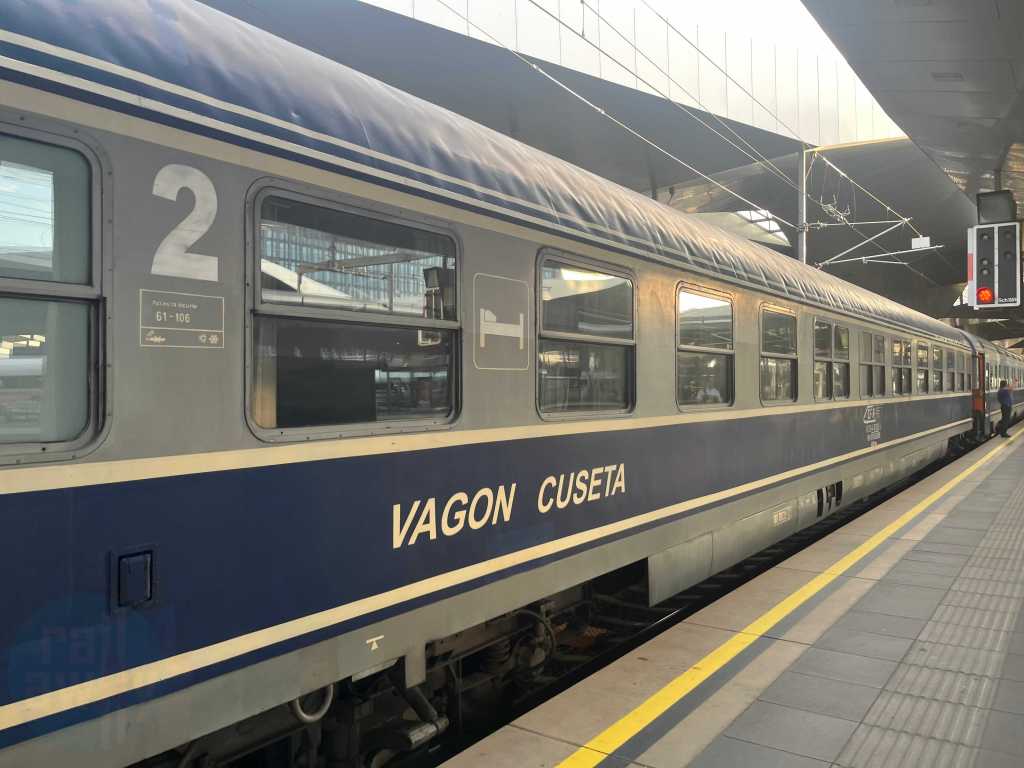
The Dacia Express also has couchette cars, featuring compartments with four or six beds and typically sharing with other passengers. A sheet, pillow and blanket are provided but unlike the sleeper, you must make this up yourself. There is also no breakfast served in the couchette.
Seated Cars Accommodation
The final type of accommodation on the Dacia Express is the CFR seated cars that run the full route from Vienna to Bucharest. On my train, these were exclusively in compartments of six seats and are the same ones I’d travelled in on a previous eight hour trip from Cluj Napoca to Budapest a few years ago. These particular carriages were not comfortable with hard seats even for a daytime trip – let alone a full night. I strongly advise booking a couchette as a minimum.
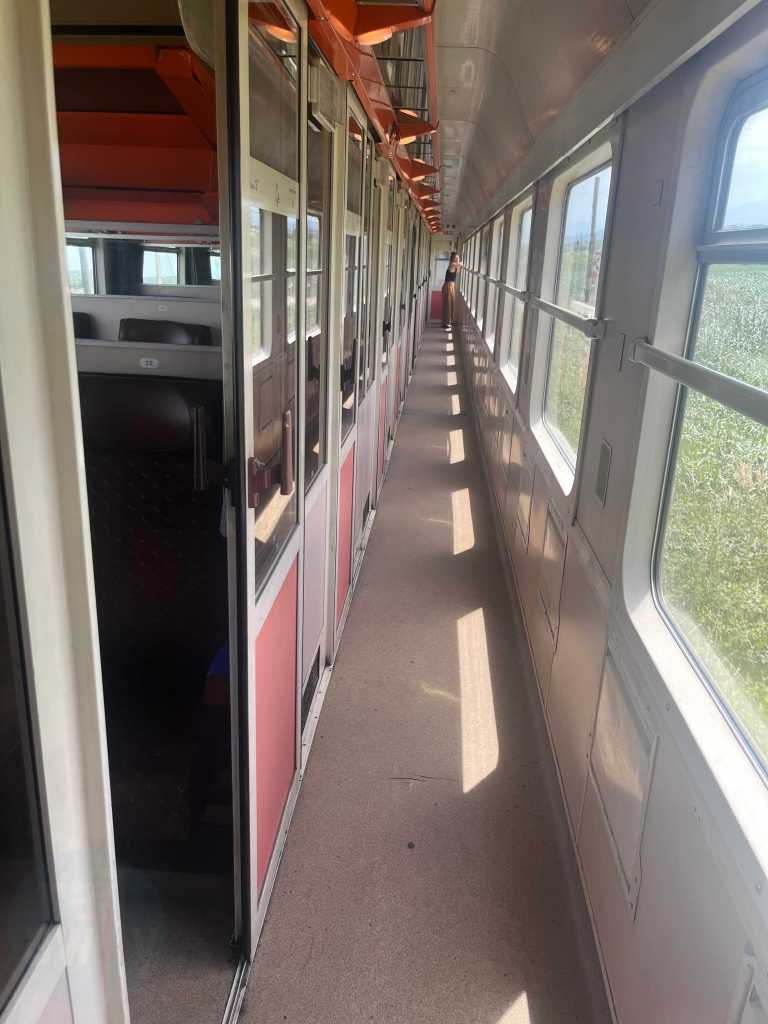
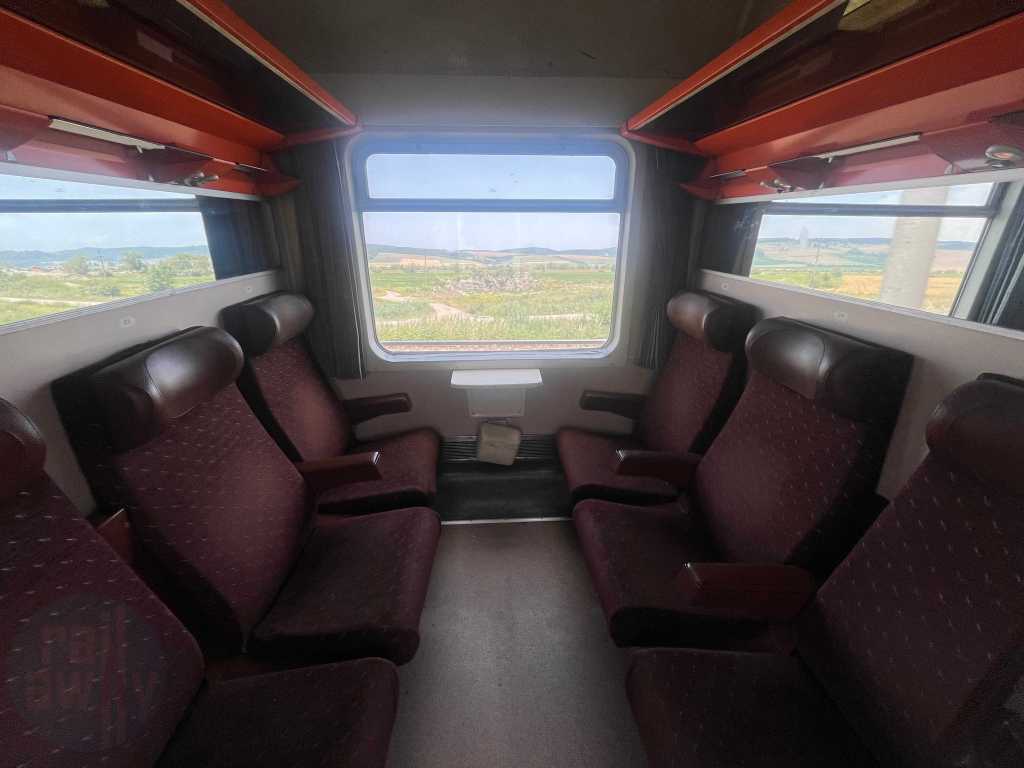
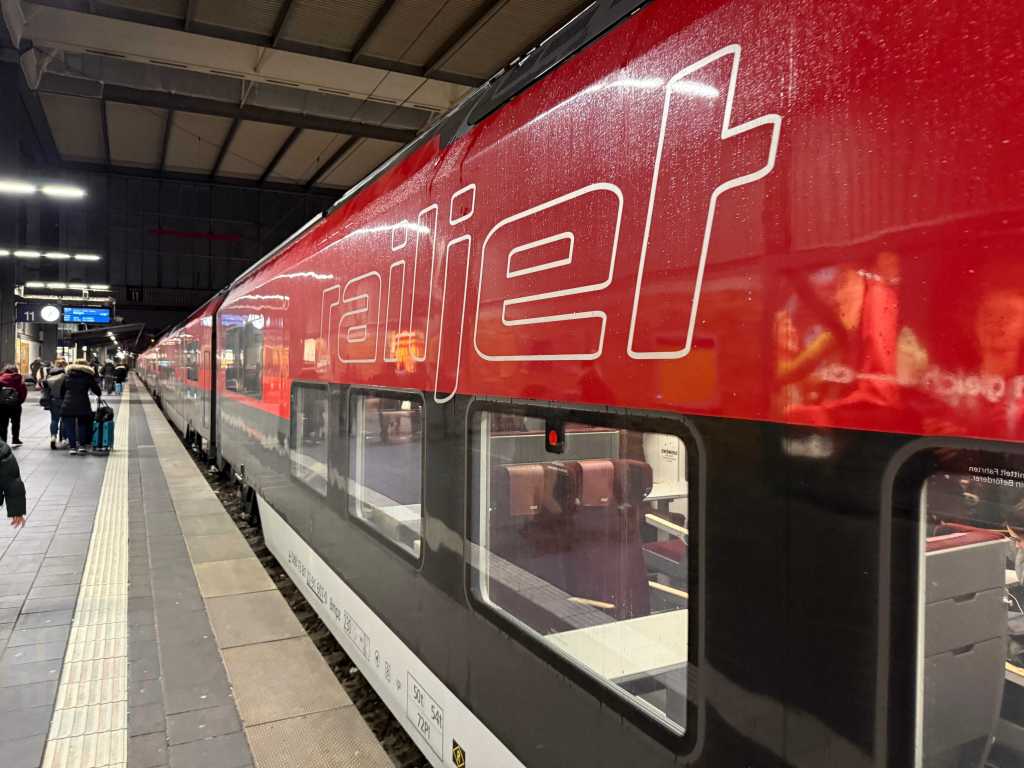
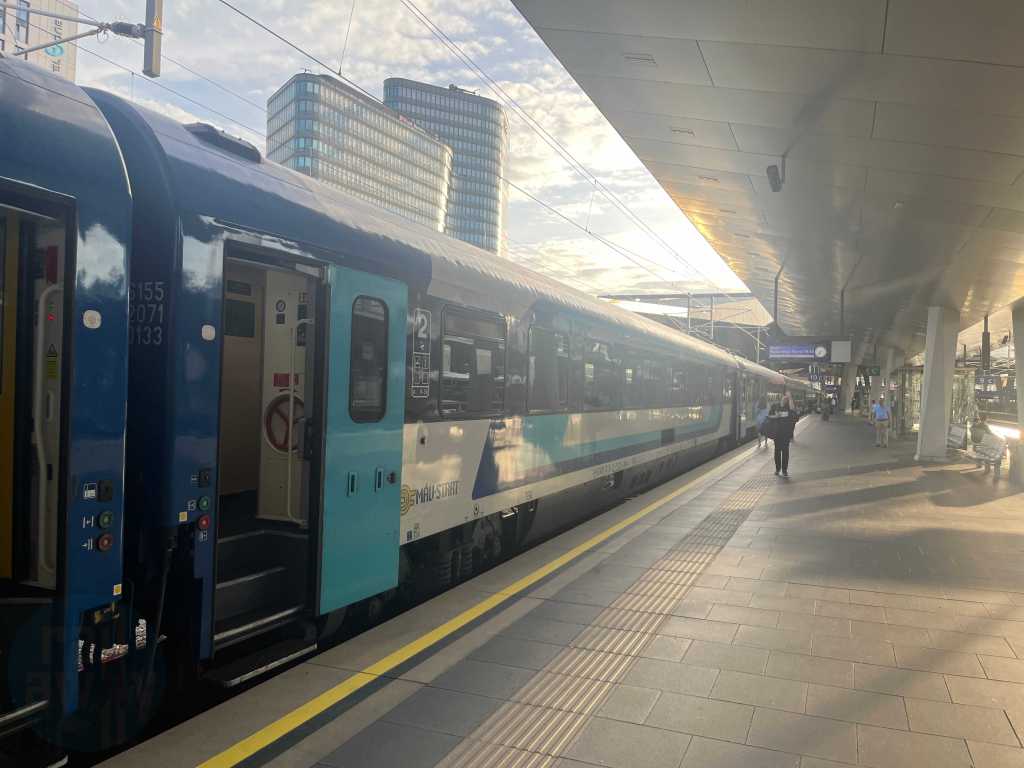
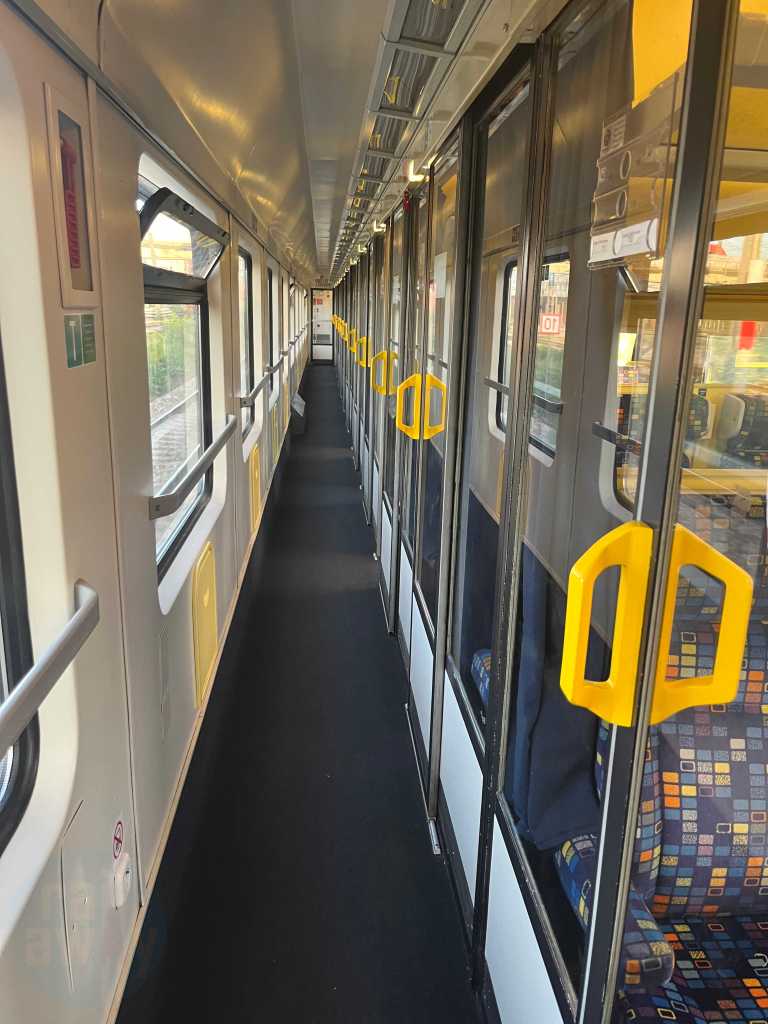
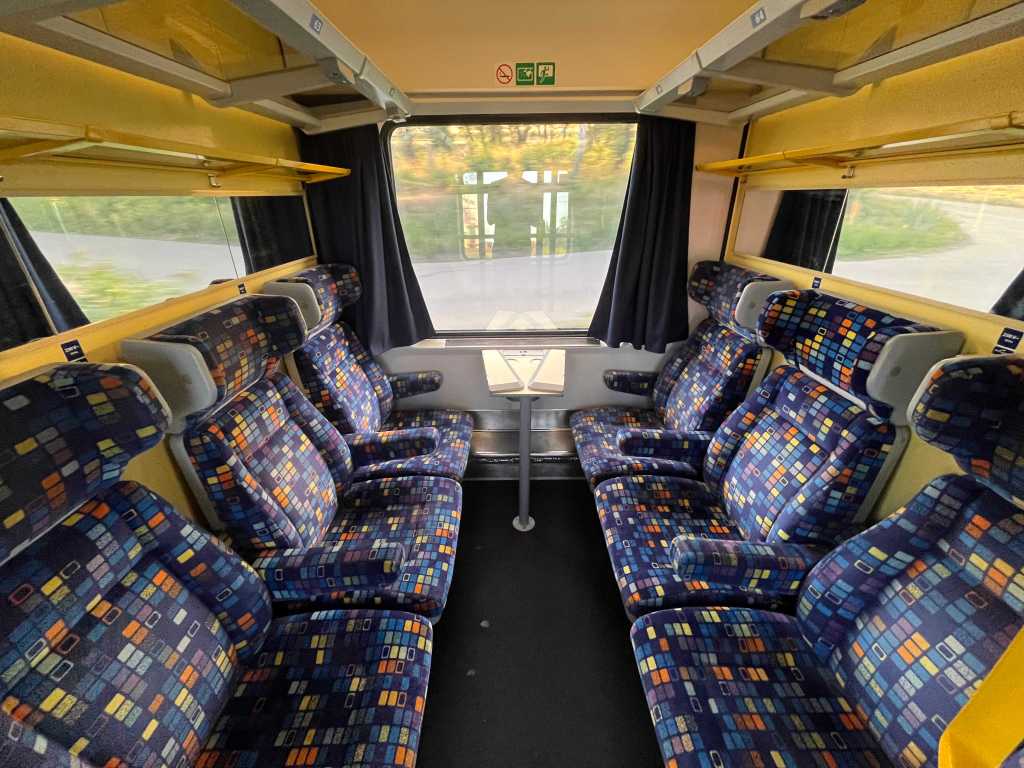
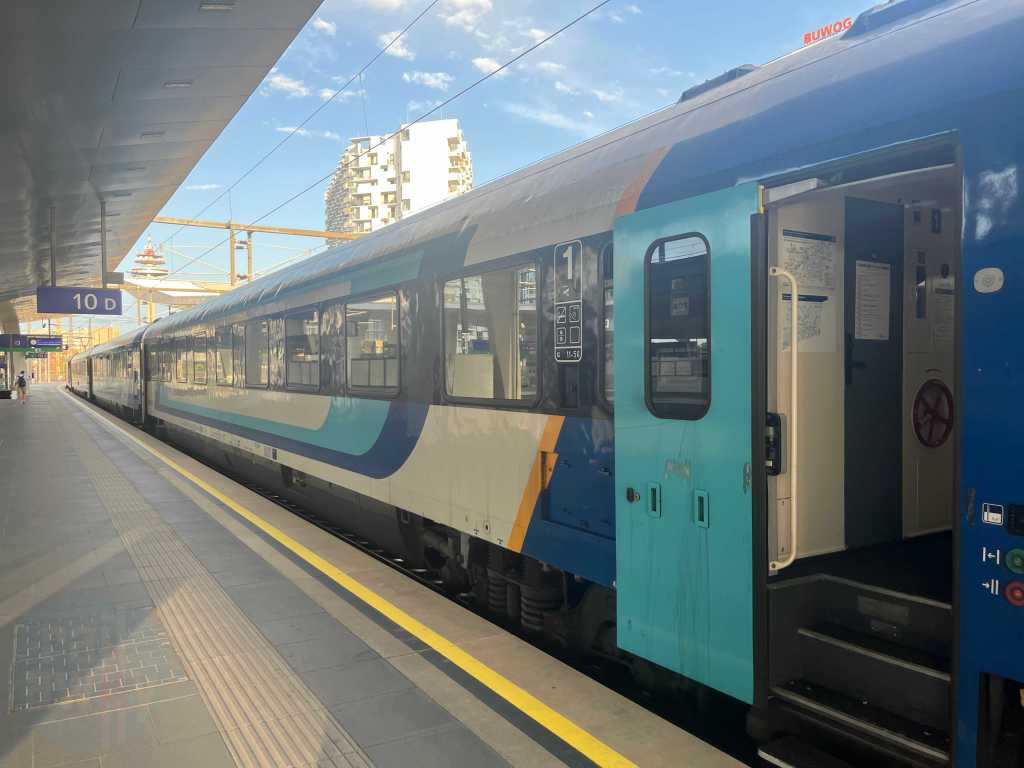
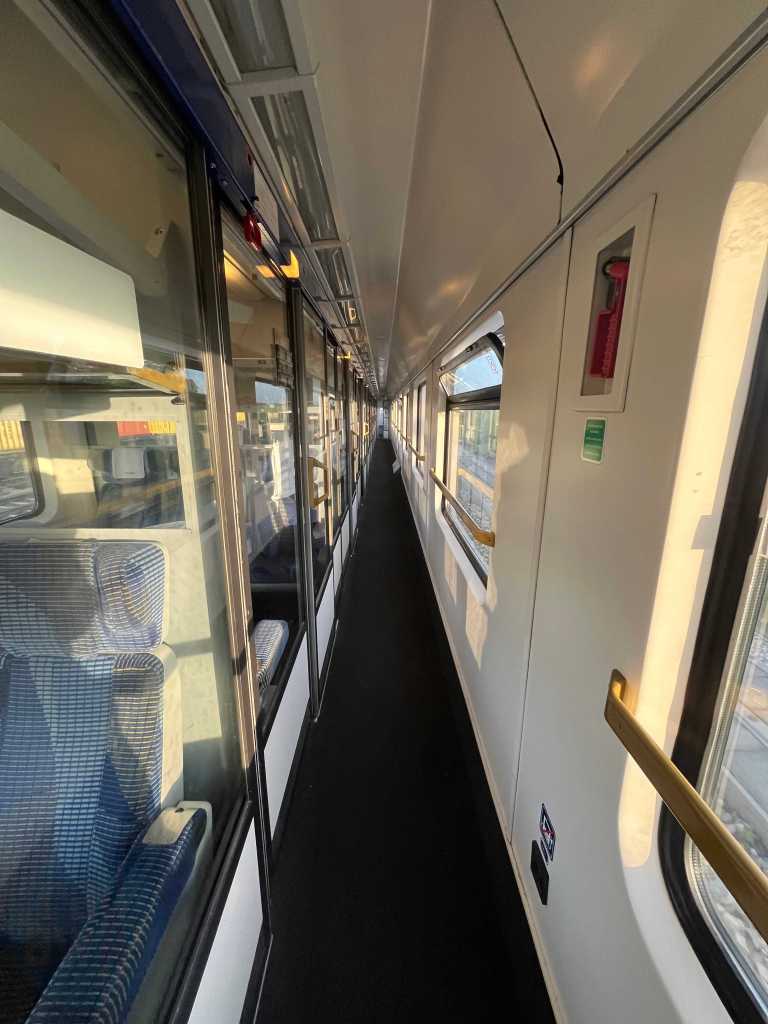
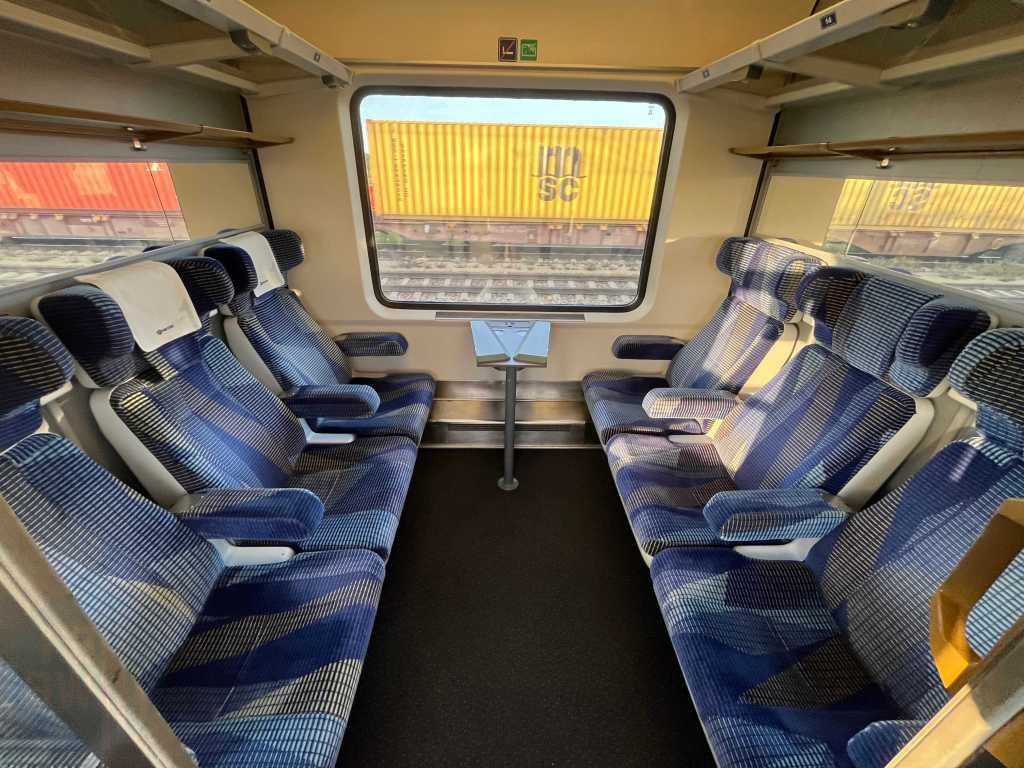
For the first part of the trip as far as Budapest, there are MÁV-START seated carriages to serve the Vienna to Budapest market, mainly in compartments. See here for the full travel report on these carriages and comparing these to the RailJet that operates on the same route.
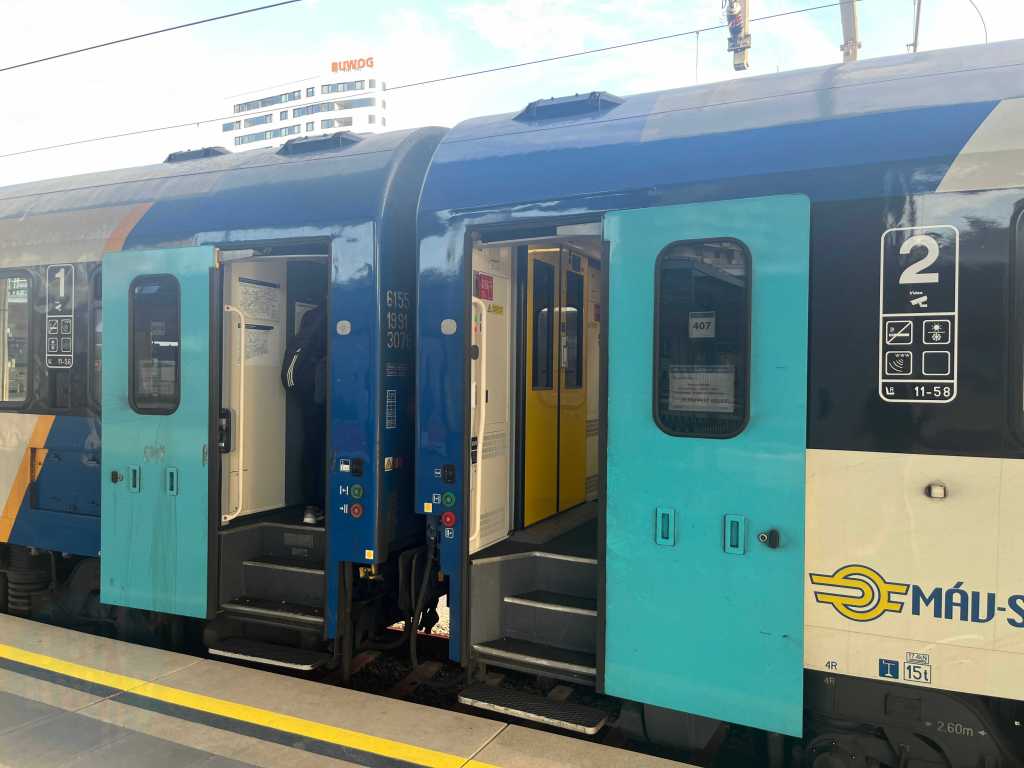
These are available for travel in Second Class and slightly wider First Class compartments (see below) and are more modern and comfortable than the CFR equivalents. These don’t run further than Budapest, however.
Onboard Catering
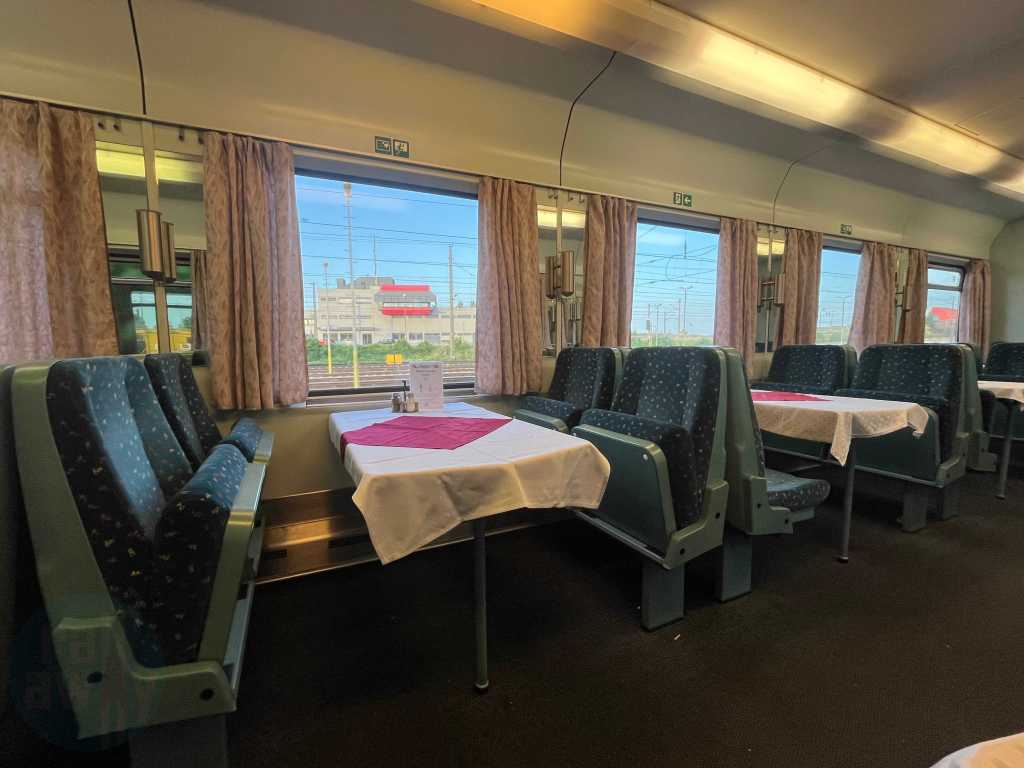
A real treat on the Dacia Express is that it conveys a MÁV-START Dining Car for the first portion of the trip from Vienna to Budapest (and Budapest to Vienna in the morning in the other direction).
Also, there is more catering options in the Romanian section with a CFR take-away bistro carriage normally attached from Arad to Bucharest in the morning (and vice versa the evening in the other direction).
MÁV-START Dining Car (Vienna to Budapest)
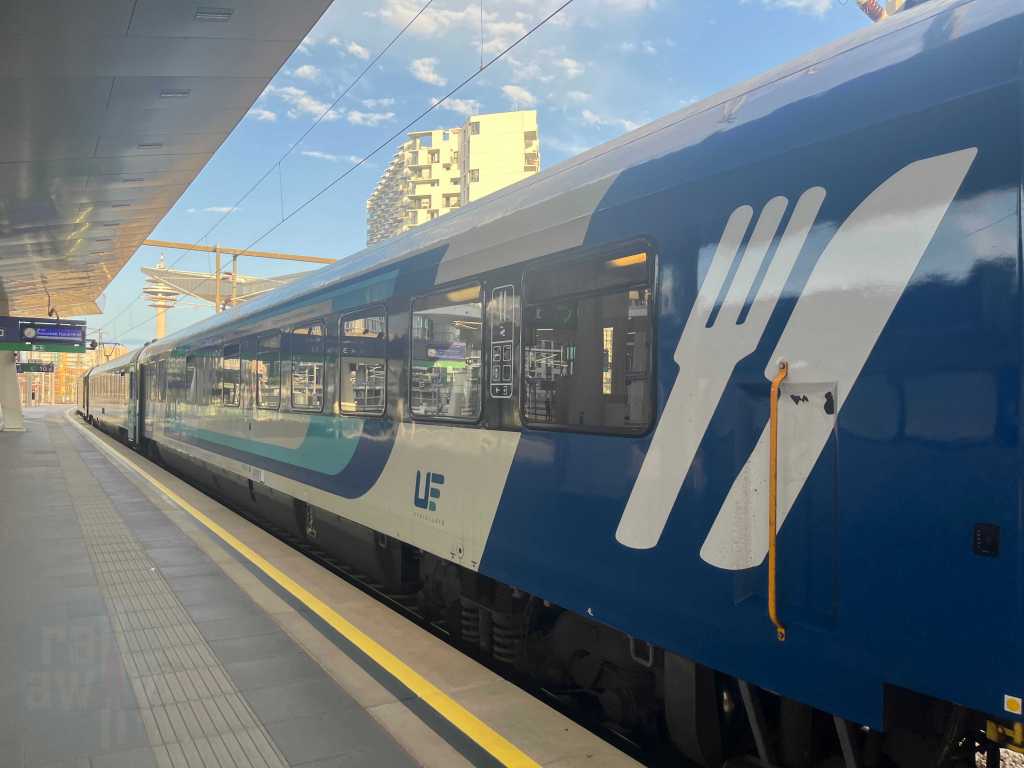
The MÁV-START Dining Car, operated by Hungarian service provider Utasellátó, is open to everyone on the train, including those travelling in the sleeping cars.
On the Dacia Express, this is run by a different company to the sleeping cars, so don’t expect proactivity from the sleeping car attendants that this exists. I mentioned to my attendant I had planned to visit the Dining Car right away. He locked my compartment door and opened it again for me at an agreed time – saying I’d return just before Budapest.
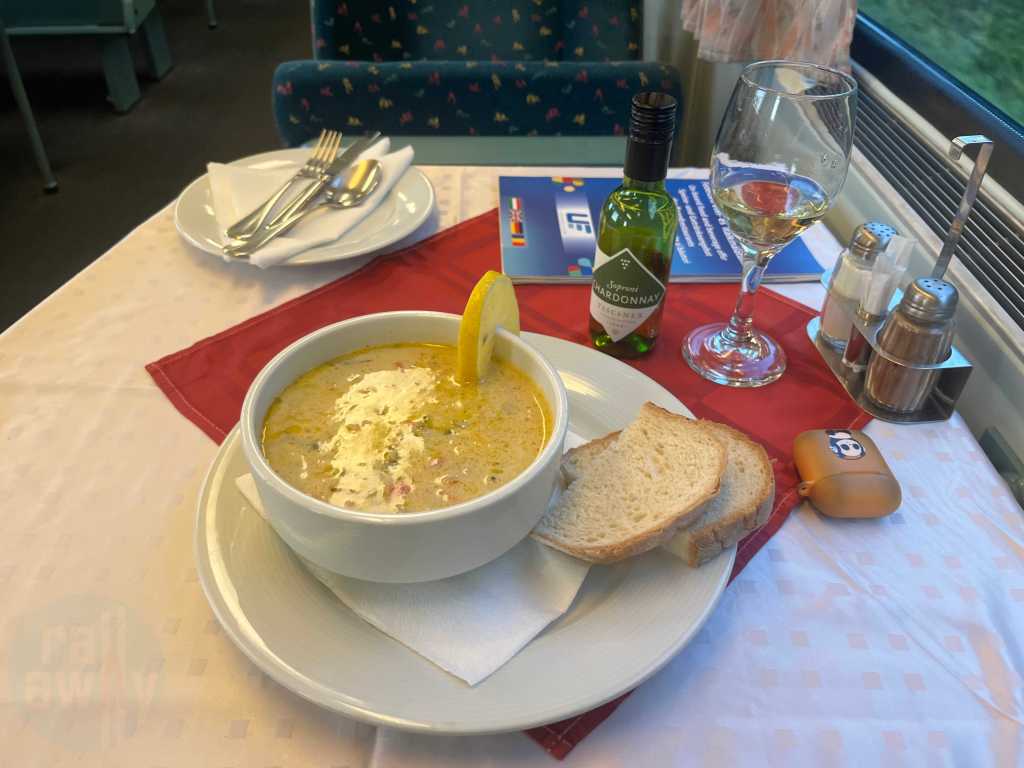
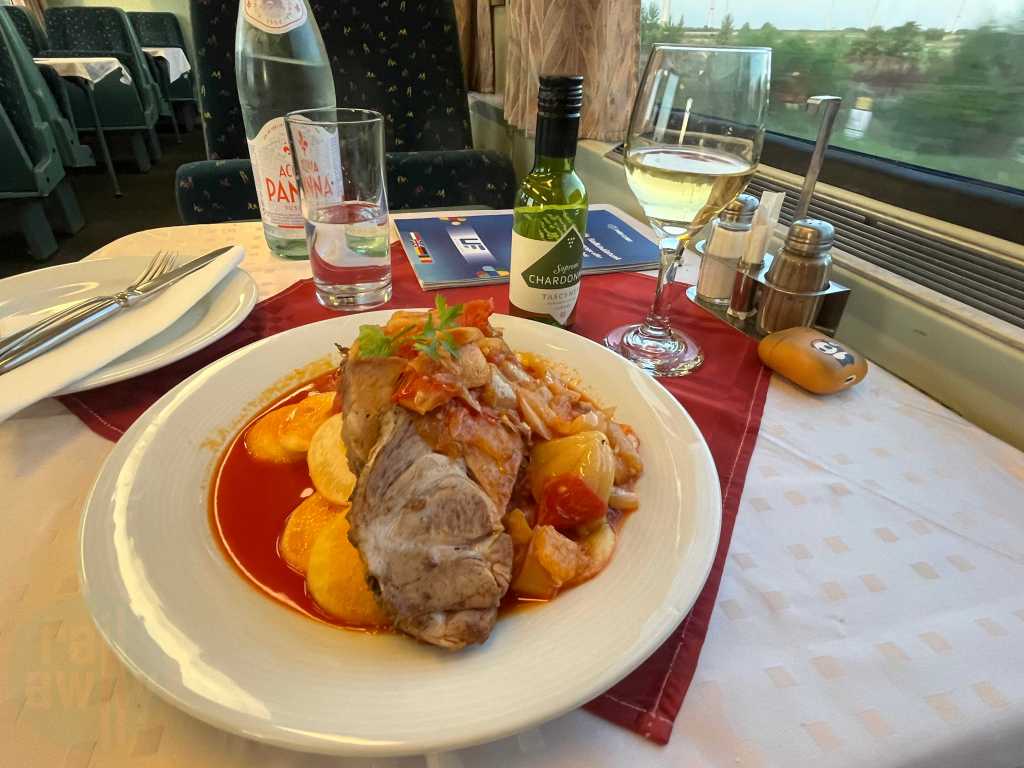
The Dining Car offers fresh meals cooked by an onboard chef. The menu, featuring mainly Hungarian dishes, is expansive and prices are reasonable. Always a great way to enjoy travel and enhance the experience! I’ve been lucky enough to sample different dishes on my trips on the Adria InterCity, Corona InterCity and the EuroCity Báthory – if you’d like to check out those travel reports.
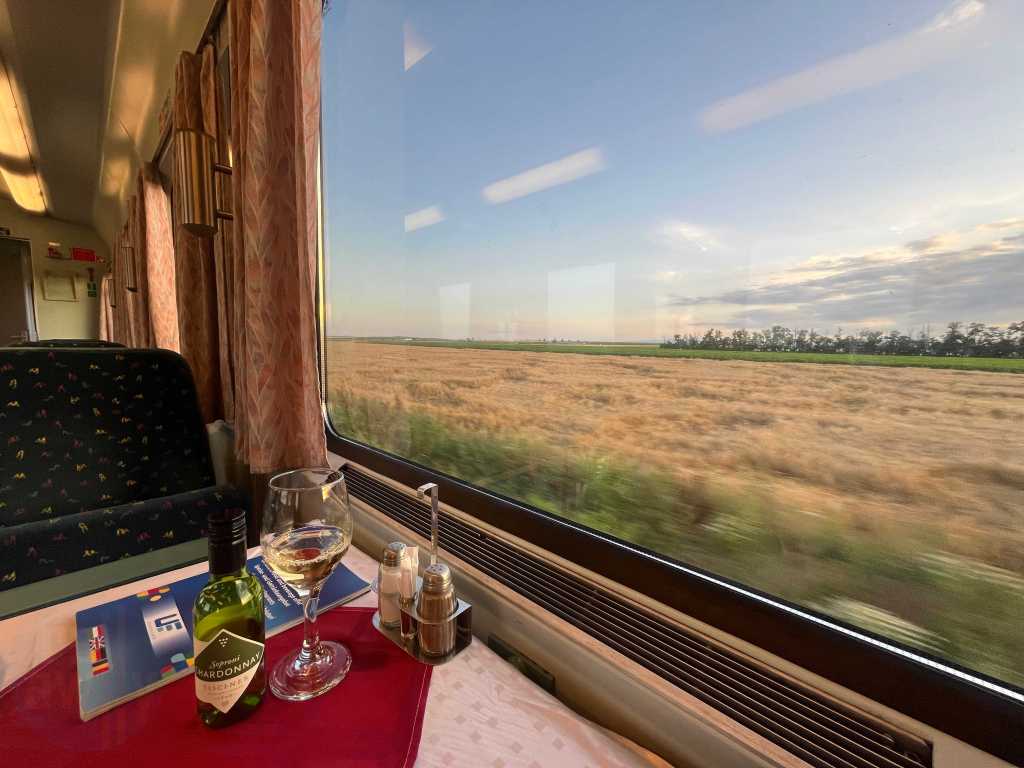
This time, I enjoyed tarragon chicken soup followed by roast pork with letcho and potato rings with wine and water that came to approximately 25,00€.
On the way back from the Dining Car, in trying to maintain the security of the sleeping and couchette cars, I had encountered one of the couchette car hosts who didn’t want to let me back to the sleeping car and didn’t speak English. With hand actions, I stated “Dining Car to Sleeping Car” and he soon let me through. Don’t let this stop you going to the fabulous Dining Car!
CFR Bistro (Arad to Bucharest)
In the morning, a CFR bistro car was attached, serving drinks and snacks between Arad and Bucharest. This is a far cry from the full Dining Car that used to be available on the Dacia Express that was withdrawn in 2022, which I never got to sample. The bistro is better than nothing though and a chance to top up on drinks on what was a very hot morning in Transylvania.
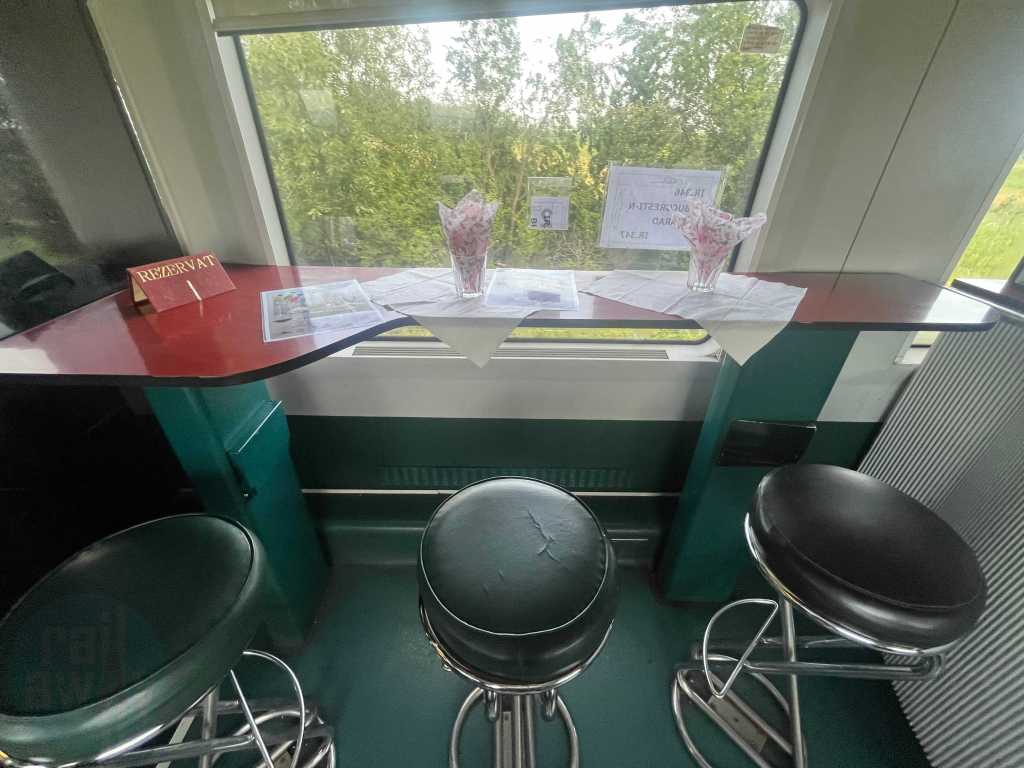
The bistro car is a normal 2nd Class seated carriage with a cordoned off bistro and three bar stools. Not a patch on the previous night’s restaurant experience!
A stop in Budapest Keleti
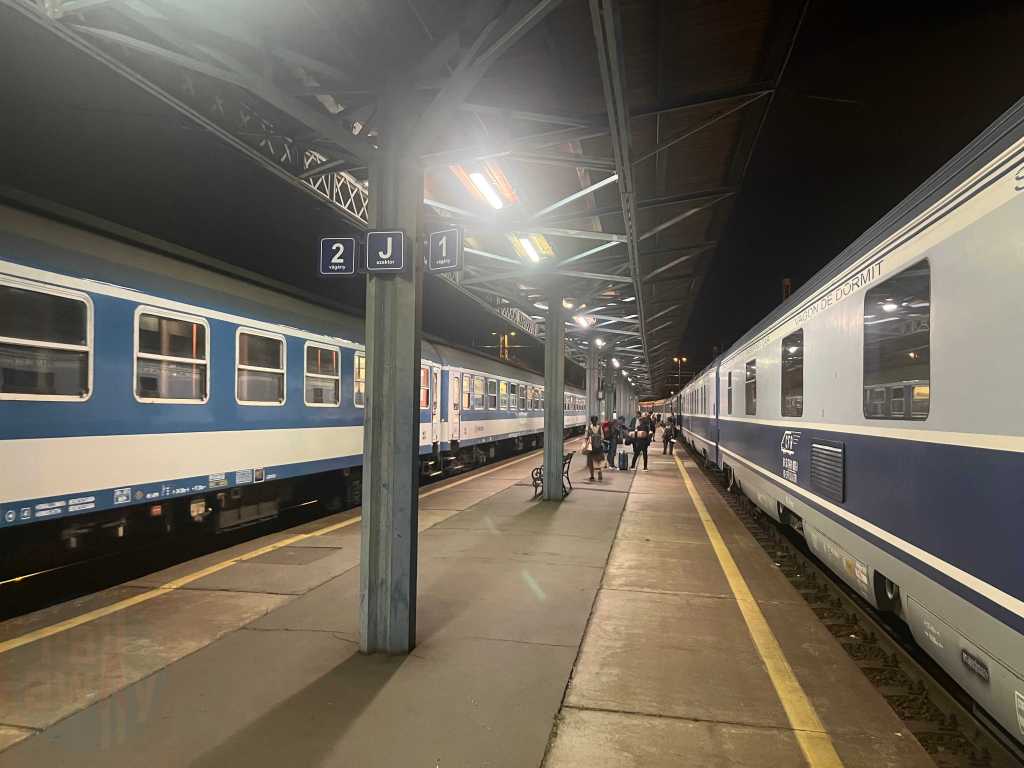
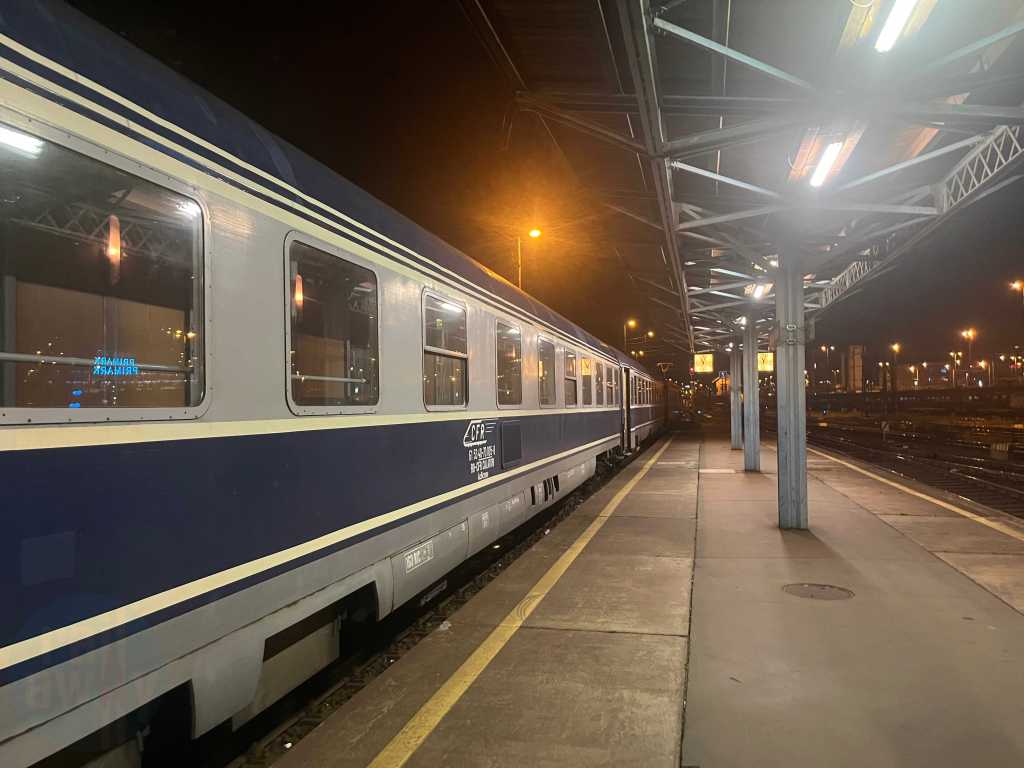
The Dacia Express is scheduled to stop in Budapest’s Keleti station for seventy minutes. It’s the only chance during sociable hours to stretch your legs on the platform, however, as we were running late on arrival, it wasn’t advisable to trek too far!
Highlights in Budapest City
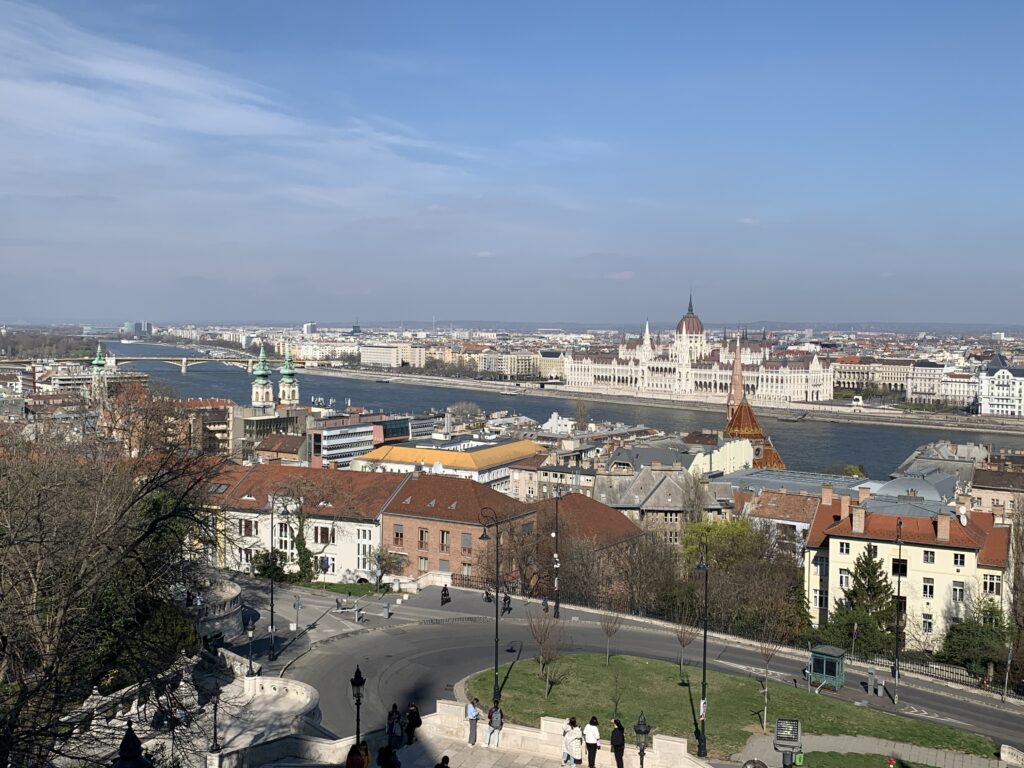
Budapest is one of my favourite cities to visit with an array of attractions and experiences to enjoy. Most attractions are situated around the river on both the Buda and Pest sides.
During my visits to Budapest, I recommend:
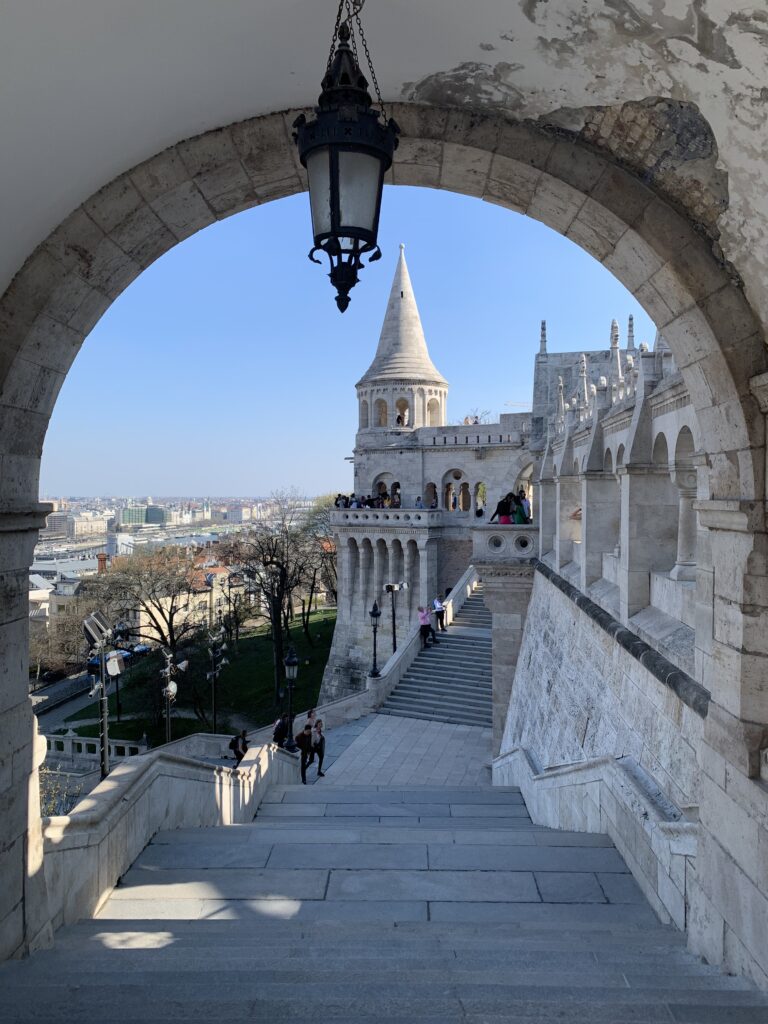
- Fisherman’s Bastion for views across the Danube
- Széchenyi Chain Bridge
- Széchenyi Thermal Bath
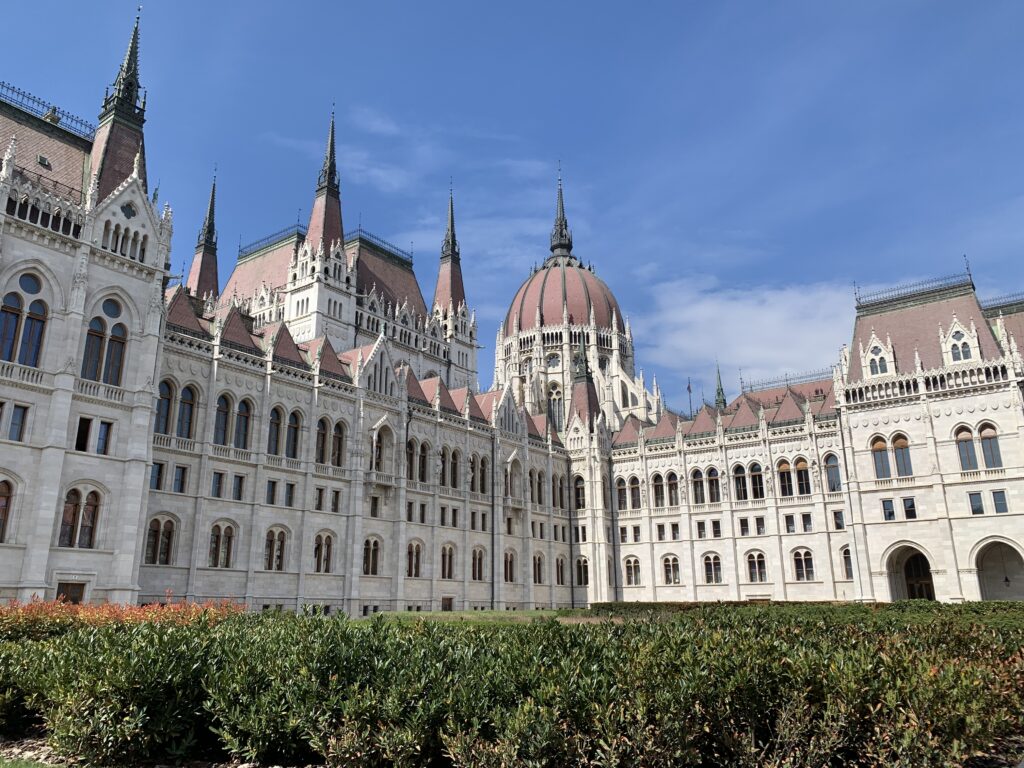
- Hungarian Parliament Building
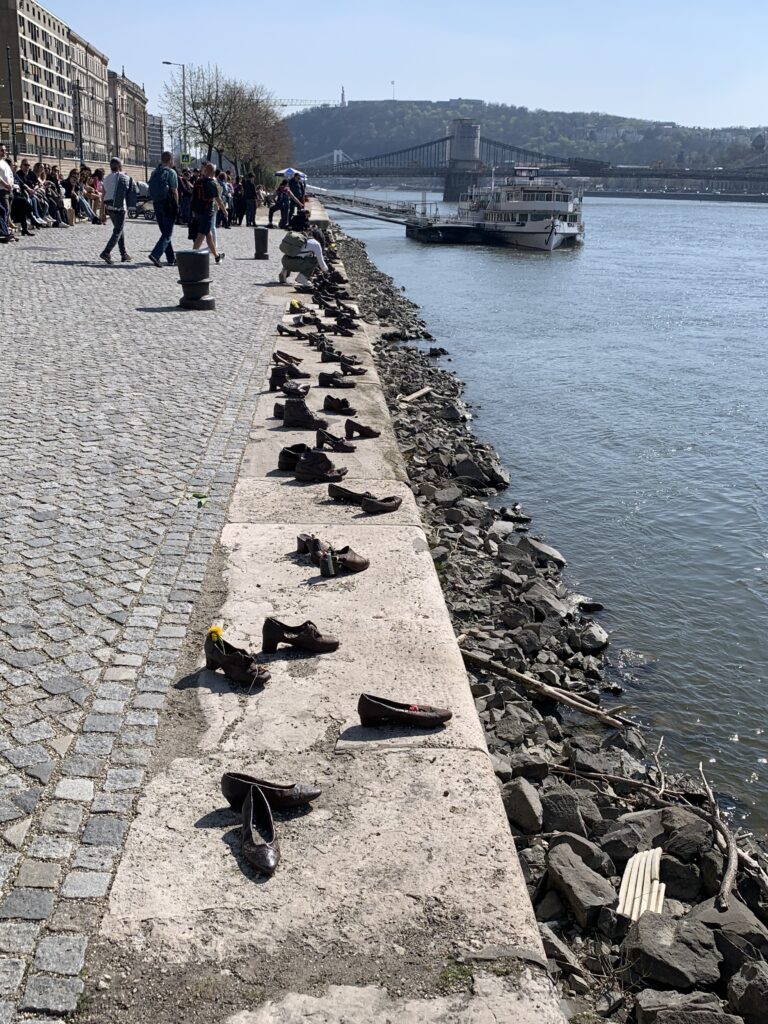
- Shoes on the Danube Bank
- Keleti station
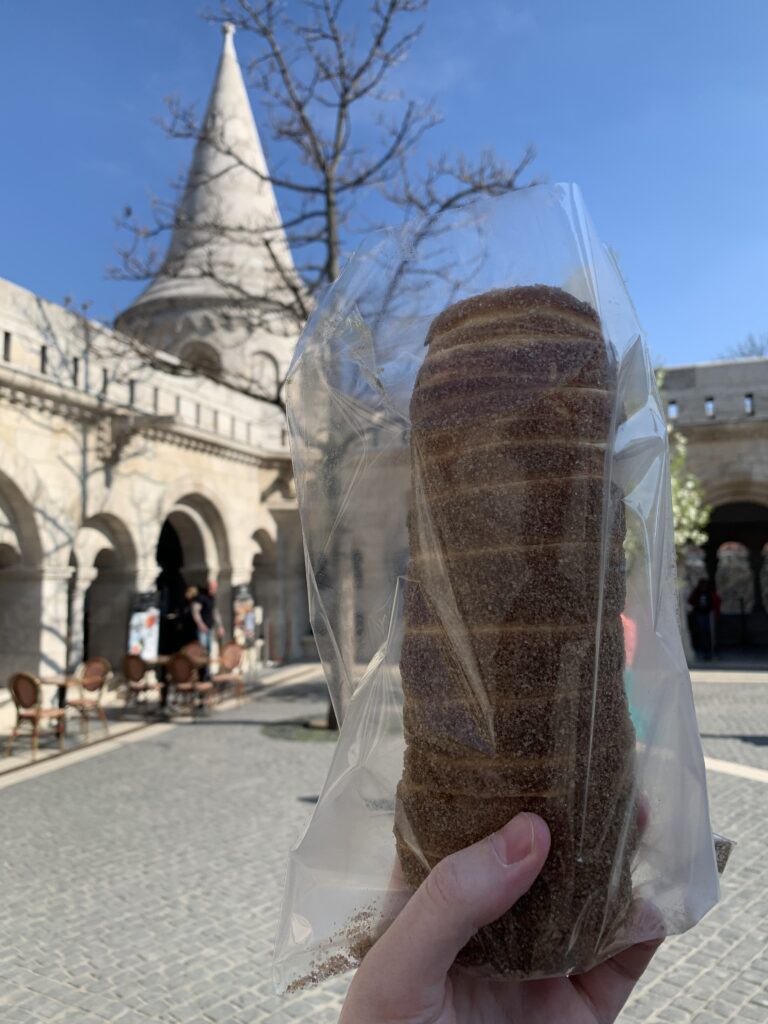
- Grab a Kürtőskalács, or chimney cake, at kiosks around the city
Border Crossings
As mentioned, the Dacia Express crosses two borders – the border between Austria and Hungary and the border between Hungary and Romania.
All three countries are in the Schengen free travel area, however, as Romania is a recent addition to the scheme, formal passport checks remain for those travelling by land from other Schengen countries to Romania.
The border between Austria and Hungary has no checks and it’ll be a case of blink and you miss it when you reach the border at Hegyeshalom, with only a short stop.
The border between Hungary and Romania continues to work in a similar way to other stations in Europe that aren’t part of Schengen. There are two passport checks where border police scan passports, one is on the Hungarian side at Lőkösháza and the second is on the Romanian side at Curtici. Checks within the compartment may also occur, the Romanian police officer wanted to see inside the en-suite bathroom, which I happily showed him, still feeling pretty smug at this point.
As our train was running an hour late, the first border check at Lőkösháza was at approximately 3am CEST (instead of 2am CEST) and the second at 5am EEST (instead of 4am EEST), remembering that Romania is one hour ahead of Hungary.
As the sun was rising and I having not had any sleep at this point, I was very glad we had most of the day still on the train!
The sooner the border checks between Hungary and Romania are abolished, this will improve the experience on the Dacia tenfold.
2025 update: the border controls on the Hungary-Romanian crossing have now been abolished!
Scenery Video
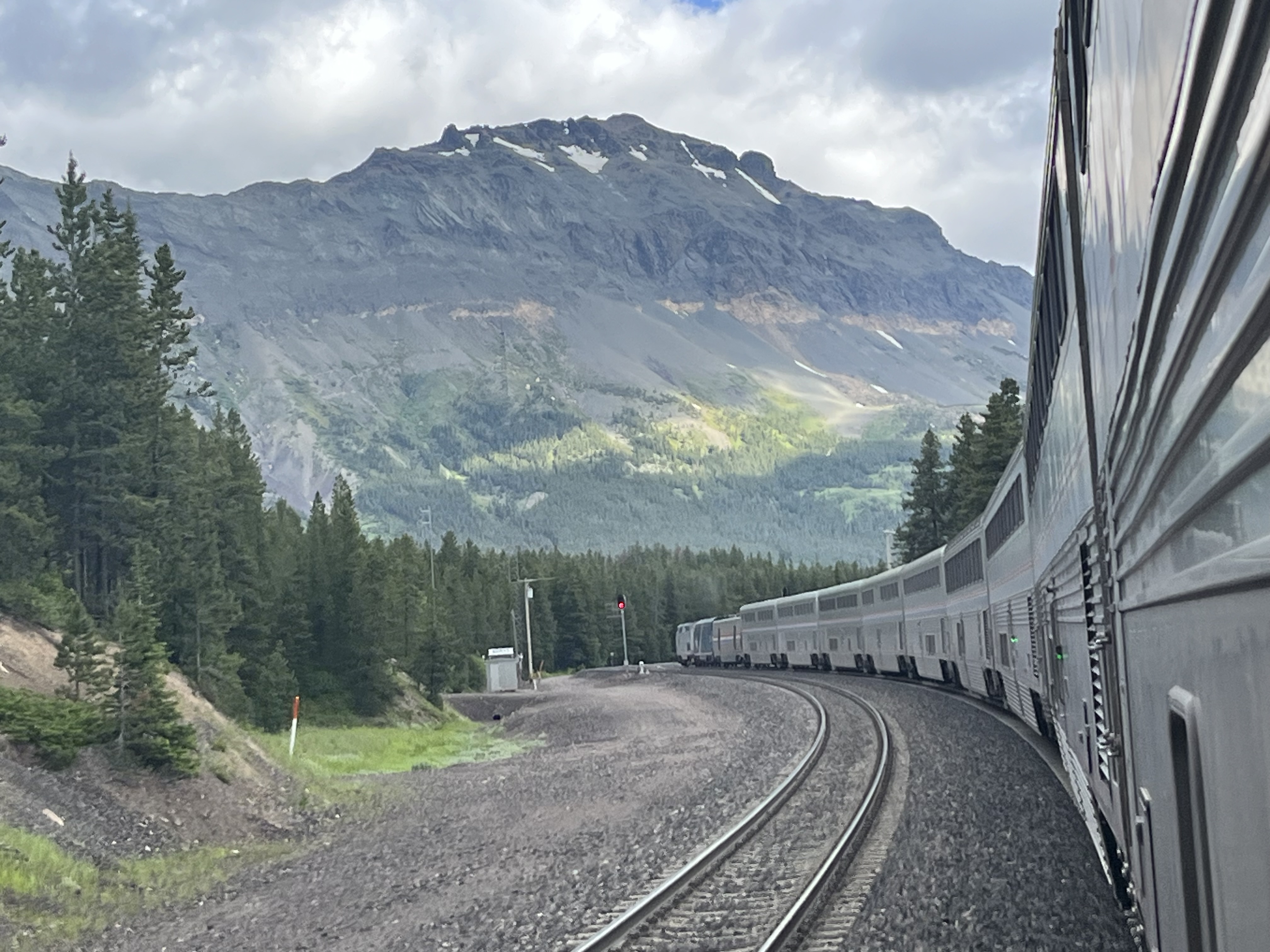
The Dacia Express comes out on top for scenery out of all the sleeper trains from Hungary to Romania! Due to the late afternoon arrival into Bucharest, the train passes through the delights of the Carpathian Mountains during the day shortly before arriving into the Romanian capital. Otherwise there are rolling hills while travelling through Transylvania.
See below my video of the scenery of the route, featuring the best scenery on offer.
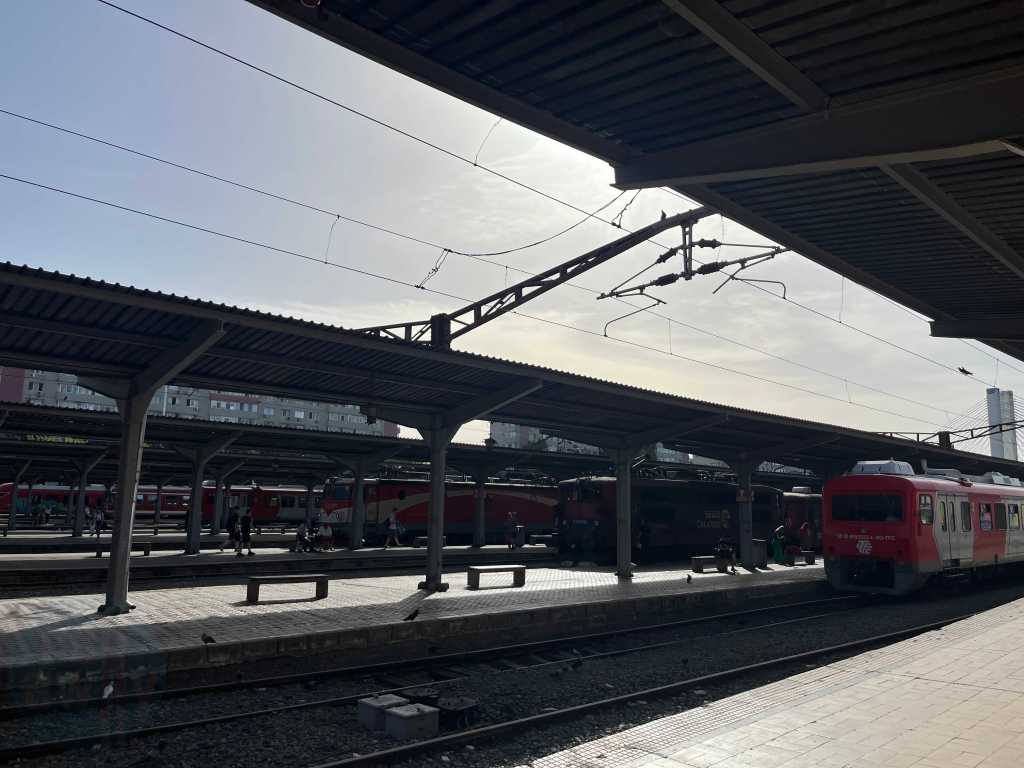
Arrival at Bucuresti Nord
You always remember the first time you step foot in a new place, right?
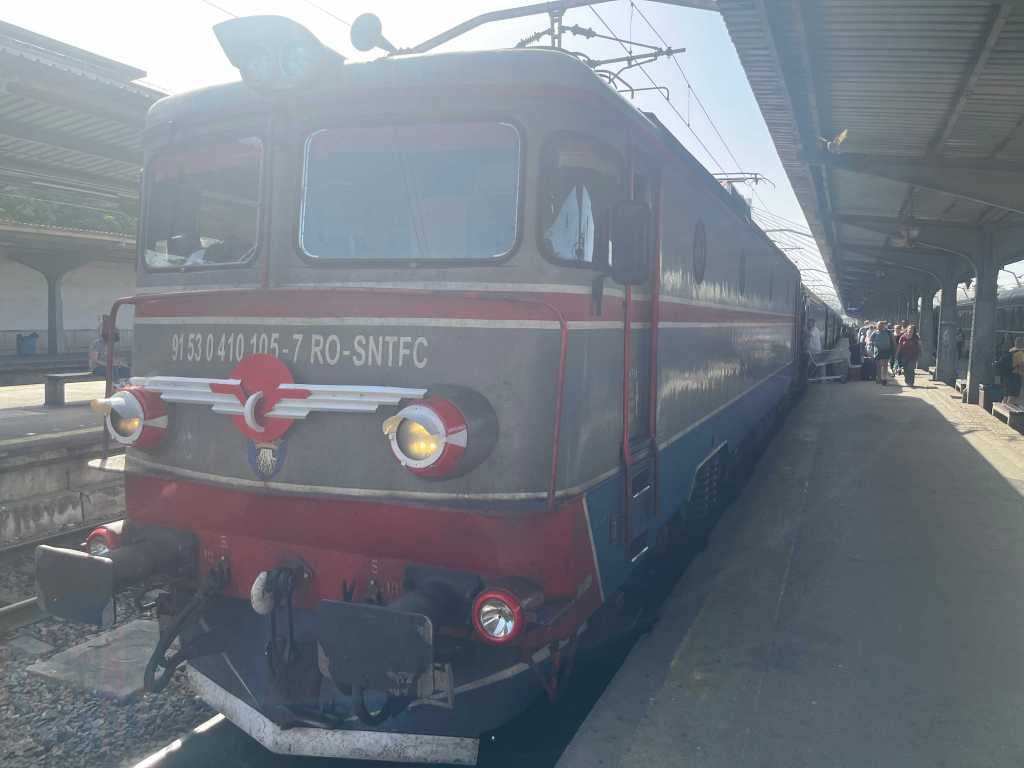
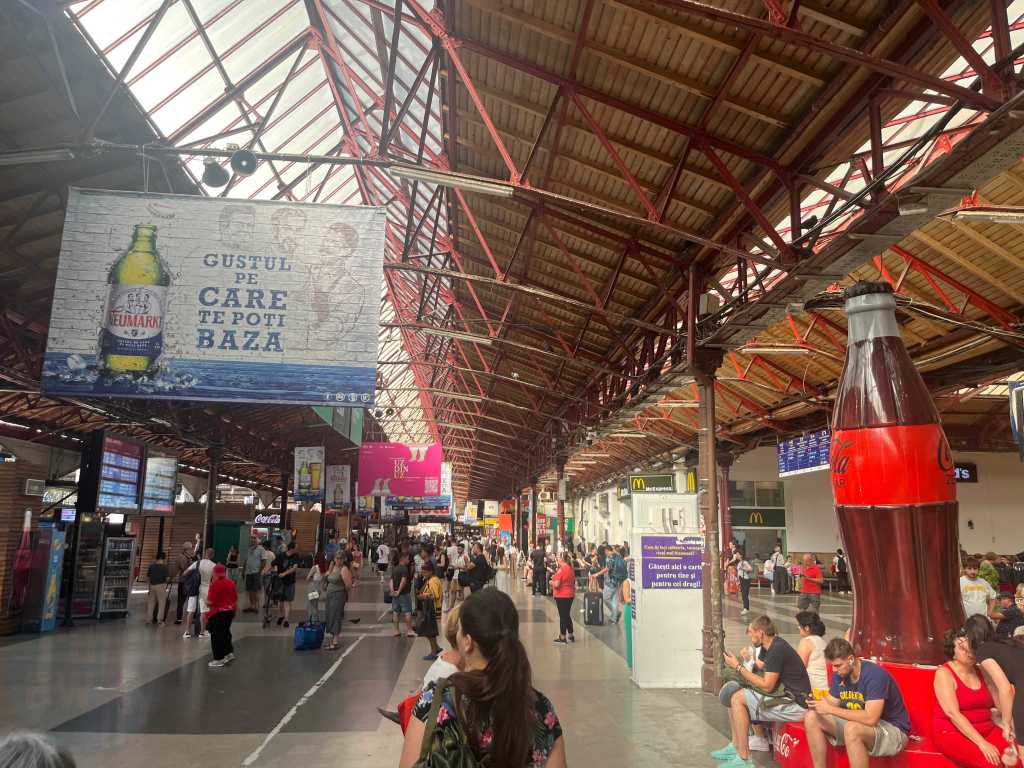
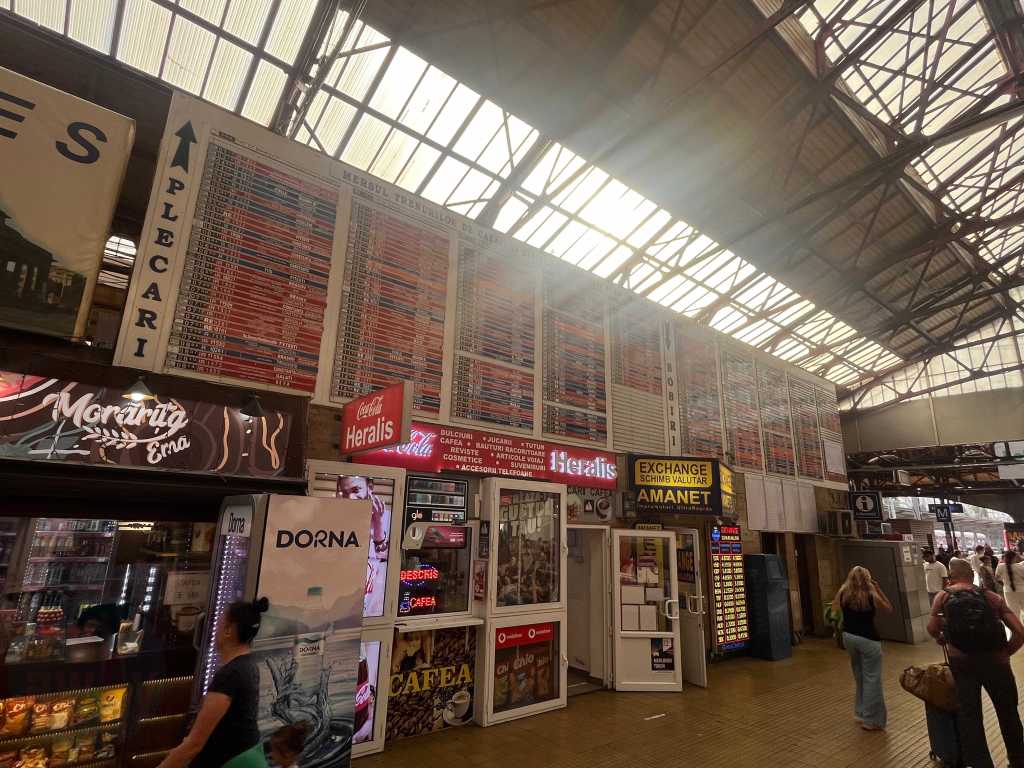
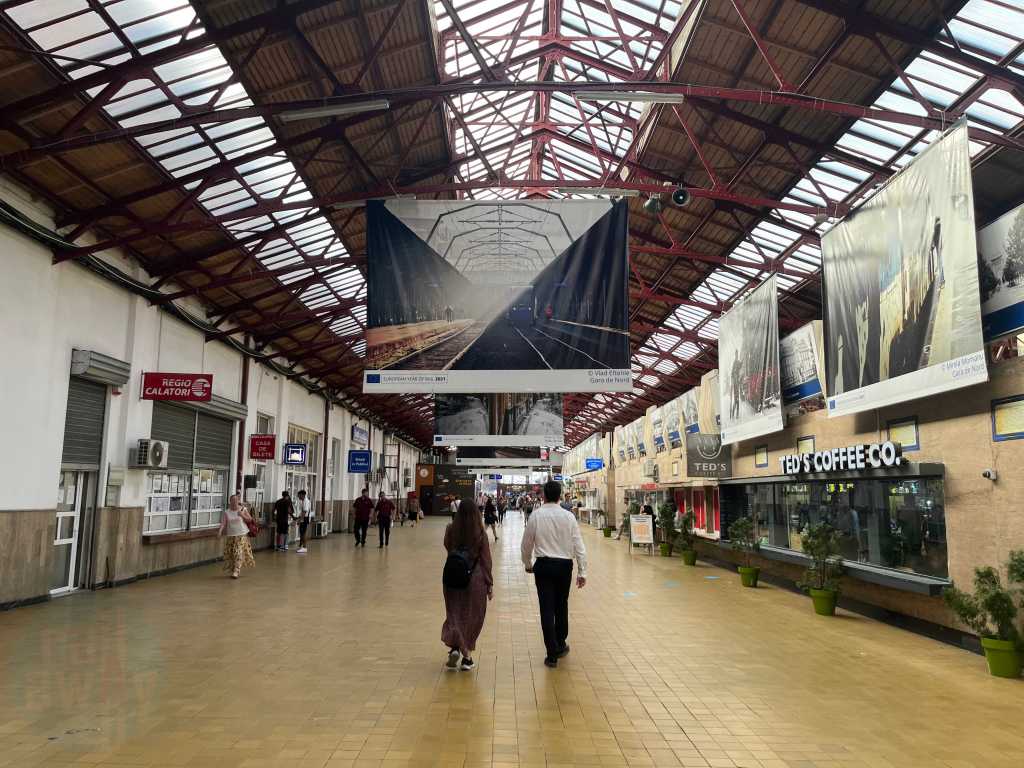
Bucharest’s main station, Bucuresti Nord, dates back to 1872 and has a wonderful facade and interior. You simply don’t experience that at an airport! Facilities wise, there are shops including coffee shops and a staffed ticket office, including dedicated international window.
I had the rest of the afternoon and evening to enjoy a few sights in Bucharest before continuing on another sleeper train that evening to Cluj Napoca! I’d like to return to Bucharest to do it justice – what are you recommendations?
Booking and Fares
Tickets for the Dacia Express can be obtained from the relevant national operator of the origin or destination country of the journey being made. For example, for a trip from Vienna to Bucharest tickets can be purchased at the site of the Austrian Federal Railways (ÖBB) and Romanian Railways (CFR). For the journey from Budapest to Bucharest, tickets can be obtained from the Hungarian Railways (MÁV-START) or Romanian Railways (CFR).
I’d recommend checking both of the relevant sites to obtain the cheapest fares as availability can vary somewhat. Fares can vary according to demand and prices below are per person. For a private compartment, simply book the number of people in the party as the capacity of the berth/couchette e.g. for 2 passengers, book a 2 berth sleeper.
| Journey Leg | Sleeping Car | Couchette Car |
| Vienna to Bucharest | From 79,00€ in a 3 berth sleeper From 99,00€ in 2 berth sleeper From 159,00€ in a 1 berth sleeper | From 59,00€ in a 6 berth couchette From 69,00€ in a 4 berth couchette |
| Budapest to Bucharest | From 69,00€ in a 3 berth sleeper From 84,00€ in a 2 berth sleeper From 162,00€ in a 1 berth sleeper | From 39,00€ in a 6 berth couchette From 46,00€ in a 4 berth couchette |

Plan Your European Rail Trip for Just £29*
(approx. €33 / $34)
Your custom European rail itinerary – expertly planned, ready to book and delivered within 72 hours.
Planning a multi-city train trip can be confusing and time-consuming. That’s where our Plan My Rail Trip service comes in. We research your route, compare ticket options, and show you how to book the cheapest and most efficient connections available at the time of research — checking both point-to-point tickets and Interrail / Eurail pass fares — so you don’t have to.
All for just £29* – no stress or hours spent researching.

Check out Plan My Rail Trip now at the Rail-Away Shop:
Please note: the above link takes you to the Rail-Away Buy Me A Coffee website where you can review options and, if you choose to, complete your purchase.
*Plan My Rail Trip permits 5 or less travel days and 4 or less stopover locations. Those requiring more will need to purchase the Plan My Rail Trip Plus option. Fares quoted are subject to availability and change. Rail-Away provides research and booking guidance only and does not sell tickets.
Conclusion
The Dacia Express is a convenient, comfortable way to travel from the Austrian and Hungarian capitals to the heart of Romania, providing a useful link from western to eastern Europe overnight. It is not a luxury experience and is a little rough around the edges – the compartment showing signs of wear and tear and no breakfast being provided. Also, the border crossing between Hungary and Romania through the night isn’t great.
The train did arrive two hours late into Bucharest, which is a regular occurrence in this part of the world, so do factor this in for any onward plans.
The Hungarian dining car was fantastic as always and the scenery in the morning travelling along the Carpathians was delightful, making it a highly memorable trip.
This travel report was first published in August 2024.
See more from Rail-Away


Planning a European train trip?
Save hundreds on Interrail* with our expert guide!

Flexible rail passes have their perks—but they’re often pricier than buying individual tickets.
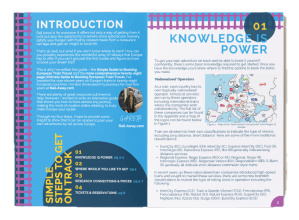
Download our FREE Simple Guide to Booking European Train Travel and discover how to effortlessly save hundreds of Euros* by booking like a local!
*For example:
- Save €209 on the advertised Interrail trip to Slovenia and Croatia itinerary by booking point-to-point tickets right up to the day of travel**—compared to using the recommended Interrail pass.
- Save €107 on the advertised Top 10 Cheapest Cities in Europe itinerary by booking two weeks in advance**—again, compared to the recommended Interrail pass.
- Four easy steps, including:
- Knowledge Is Power – learn the best places to go before you book
- Where would you like to go? – tailor your itinerary to your travel goals
- Research Connections & Prices – use our proven methods to find the best fares and booking sites
- Tickets & Reservations – understand what tickets and passes are available to you
Also:
- A comprehensive list of European rail operators
- 12 beautifully designed, easy-to-follow pages
- Downloadable to your phone, tablet, or computer
**dynamically priced fares according to demand can result in lower or higher fares, book early for the cheapest fares
What else is in store?





*Please note that further Expert Guides and Ready-Made Itineraries are in development and will be available soon.
Already have the password?
Enter the password from your welcome email at the link below to access the Club Rail-Away home page:
Any issues, please get in touch!
*savings calculated as of 8th June 2025 for published itinerary for example dates on Interrail/Eurail website by purchasing point-to-point fares instead of recommended pass for the specified itinerary. Slovenia/Croatia trip for €77.00 travelling on 9th June 2025 and Top 10 Cheapest Cities itinerary for €228.00 travelling on 22nd June 2025 onwards.
Share your thoughts
Please get in touch if you have any feedback on this travel report by liking and sharing your thoughts below in the comments section. Have you made a similar trip? Please do share your own experiences on the rails.