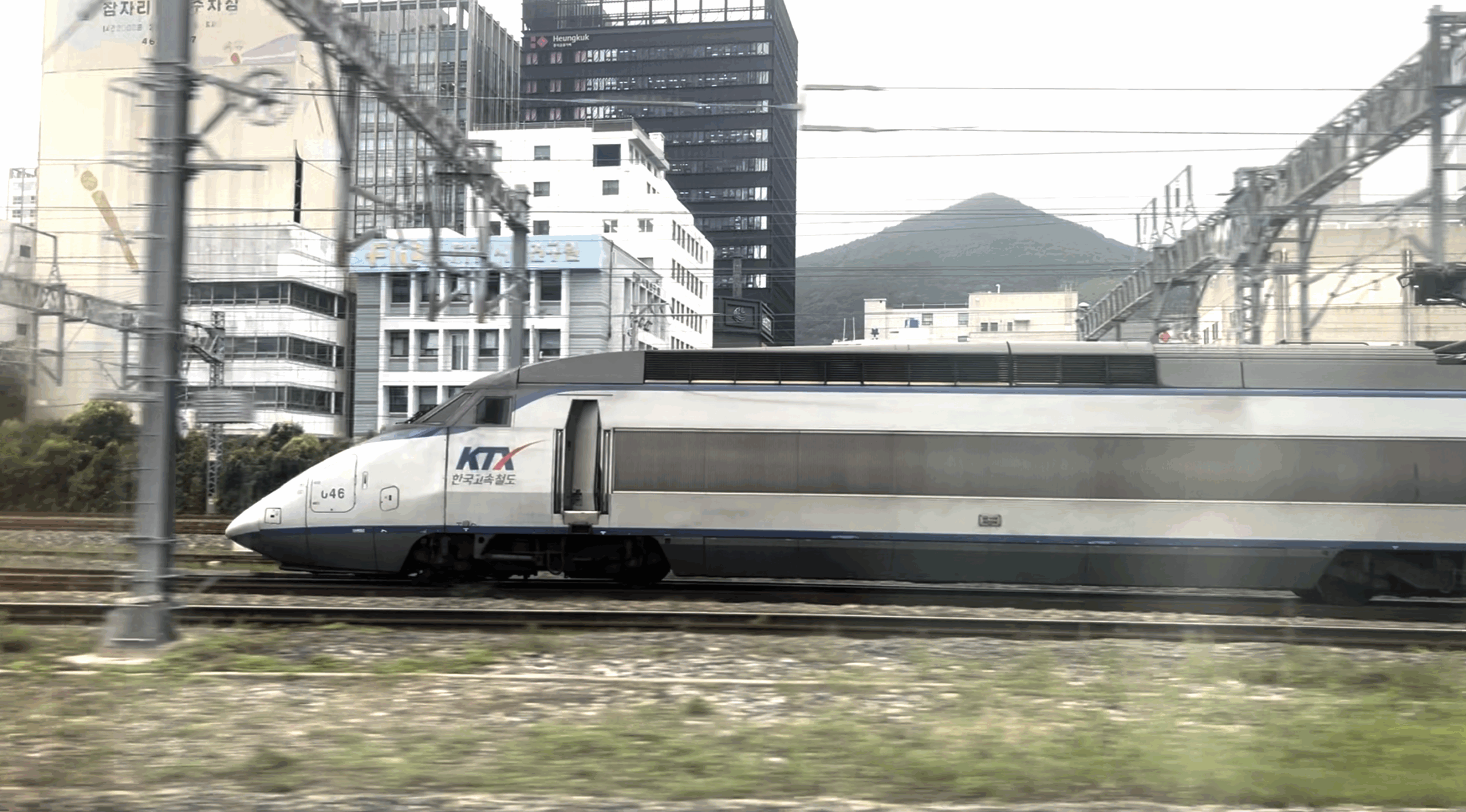
Since 2004, South Korea’s high speed train, the Korea Train eXpress (KTX), has been speeding up journeys and adding much needed capacity to the country’s rail network.
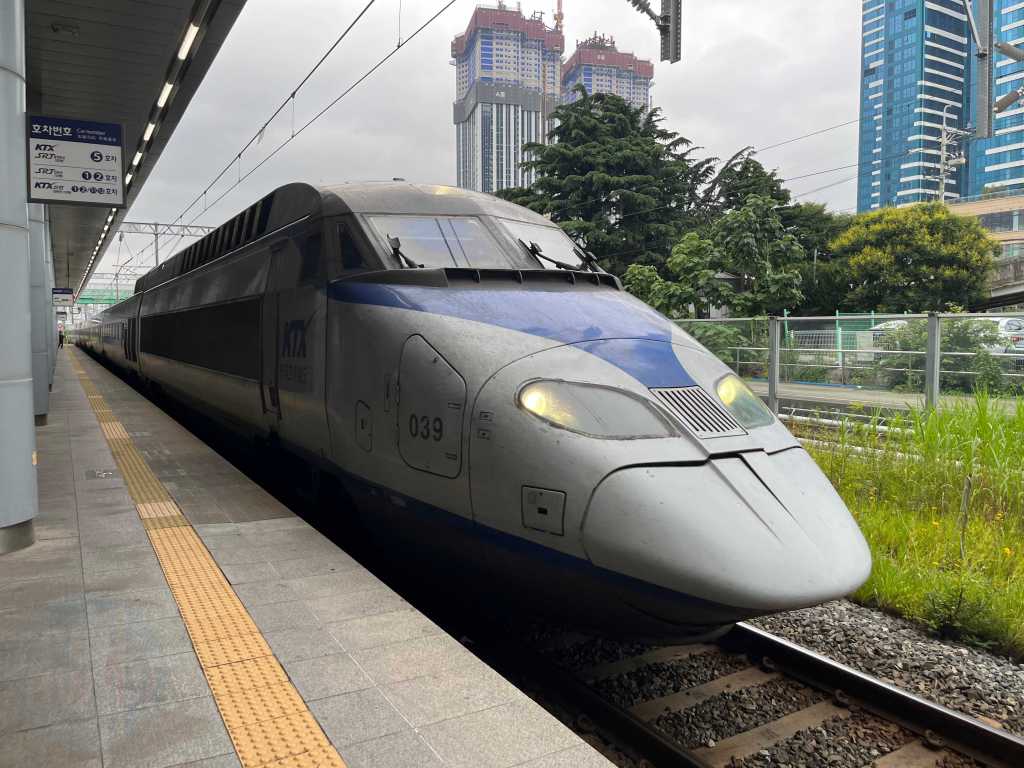
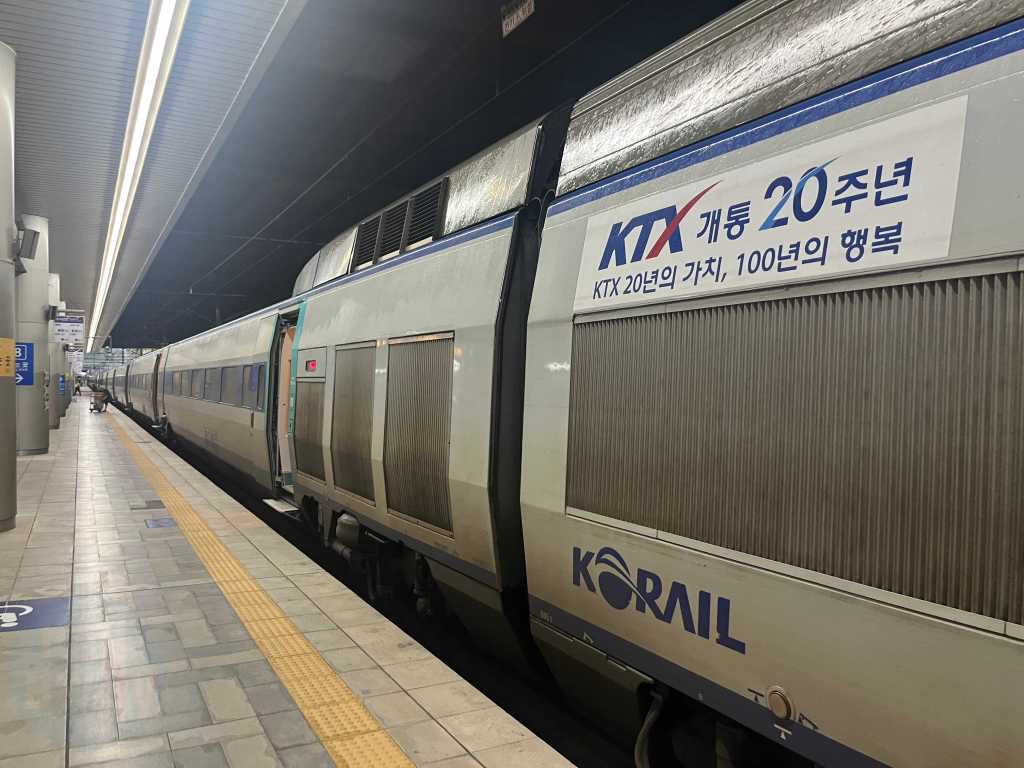
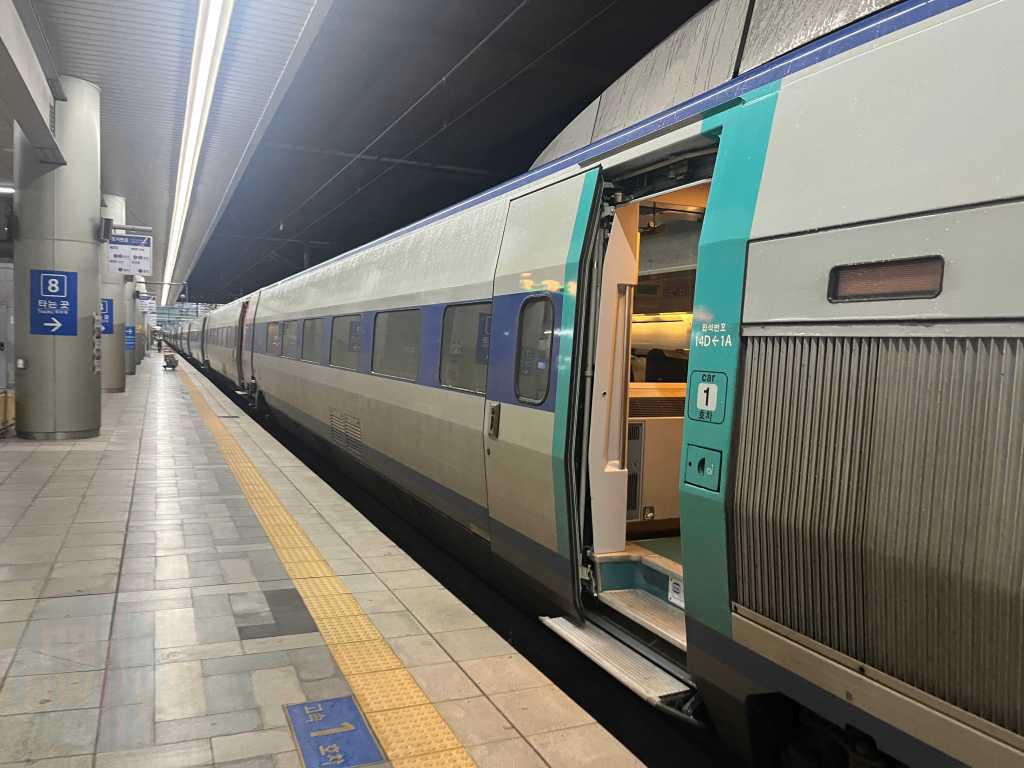
Fast forward twenty years, and the original KTX trains continue to operate on the original cross-country high speed line, the Gyeongbu line, connecting the capital Seoul, with Korea’s second largest city, Busan. These trains are the KTX-I, which will be familiar to those who have travelled in France, being based on the French ‘Train de Grande Vitesse (TGV)’ single decker “Réseau” trains.
The KTX is the most popular way to travel between the two cities with a plentiful fifty-eight trains per day from Busan to Seoul. Of these, eighty-two percent are served by the KTX-I model and the remaining served by the newer KTX-Sancheon and KTX-Cheongryong models. The journey time takes two and half hours. There are also slower ITX and Mugunghwa trains also connecting Busan and Seoul.
South Korea is no stranger to zombie films. In 2016, “Train to Busan” hit cinema screens, featuring a zombie-infested KTX-I train on this very route. I’m pleased to report no zombies were sighted on my trip in June 2024 that I took from Busan to Seoul!
Here’s the all important route map of the high-speed trip on the Gyeongbu line:
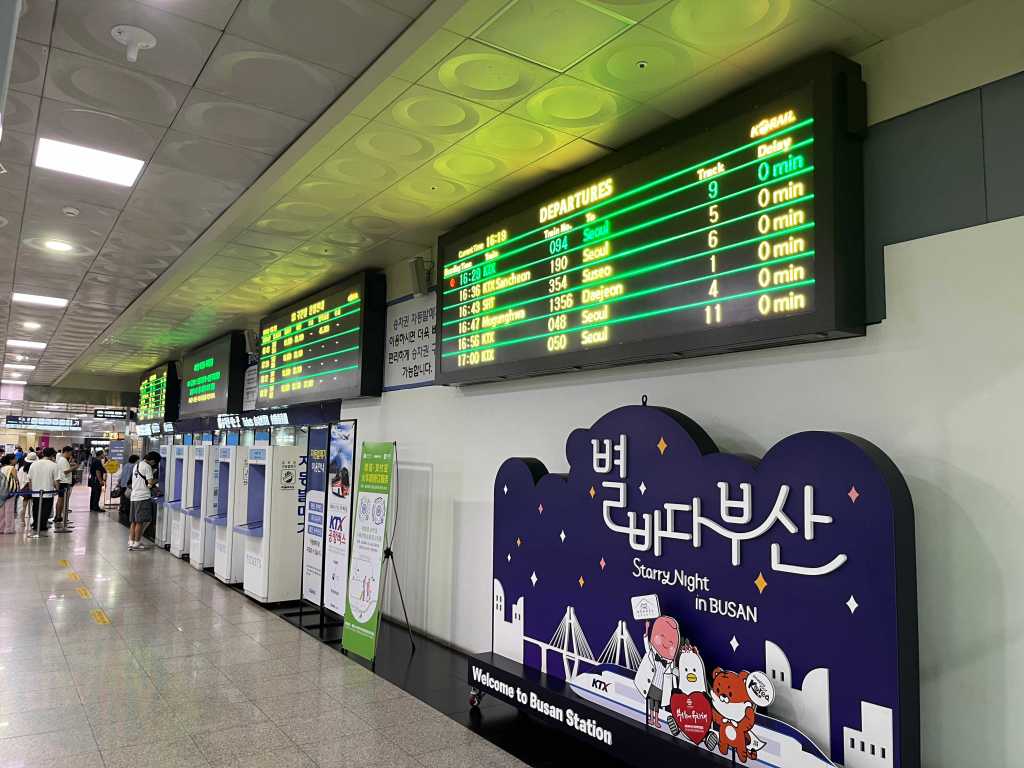
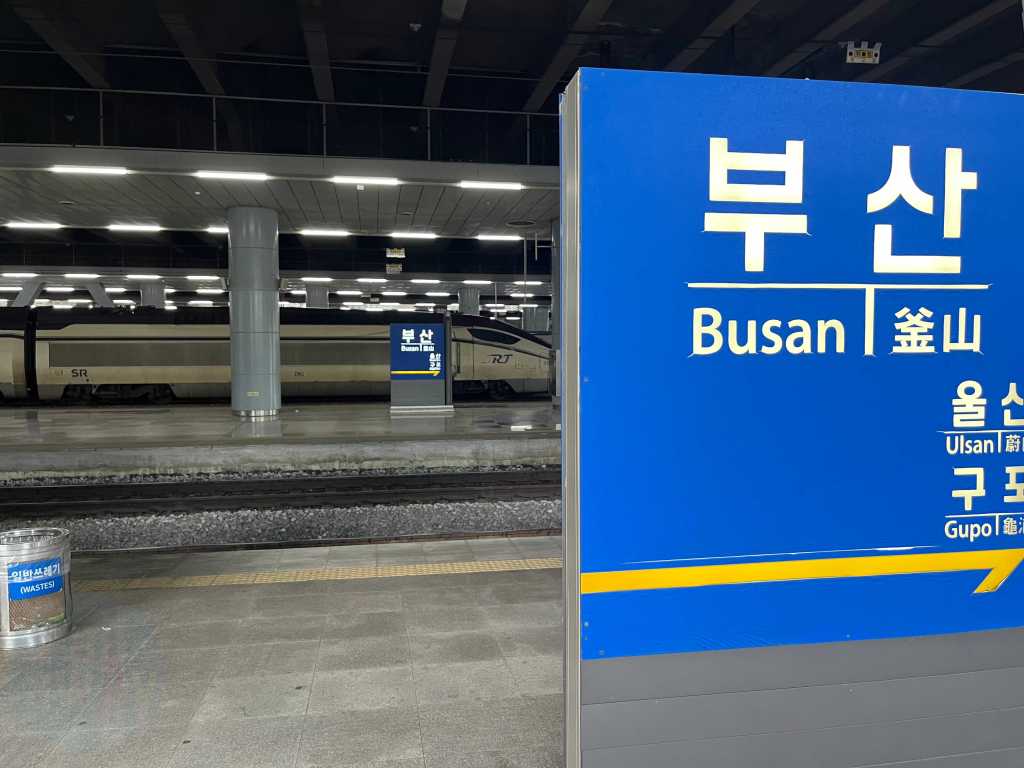
Departure from Busan Station
Having arrived fresh into Busan from the ferry terminal after an overnight crossing on the Seong Hee ship from Shimonoseki, Japan, the first port of call for us on land was the railway station in Busan. We had made a reservation on the 17:00 KTX departure later the same day giving us a chance to explore the city.
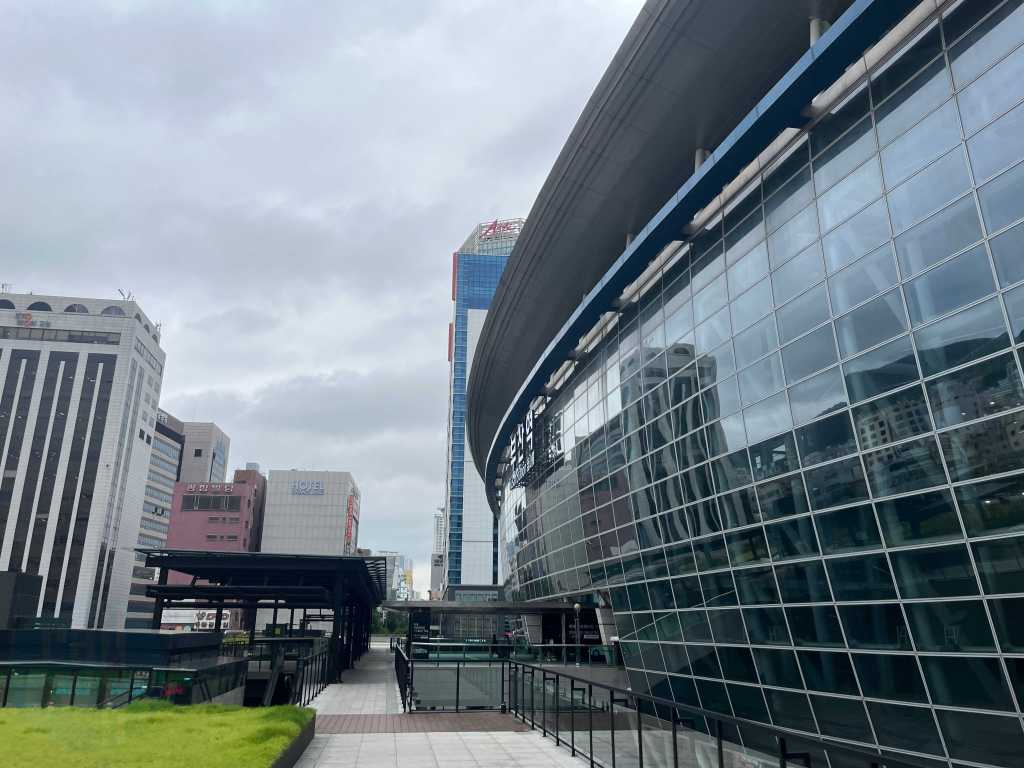
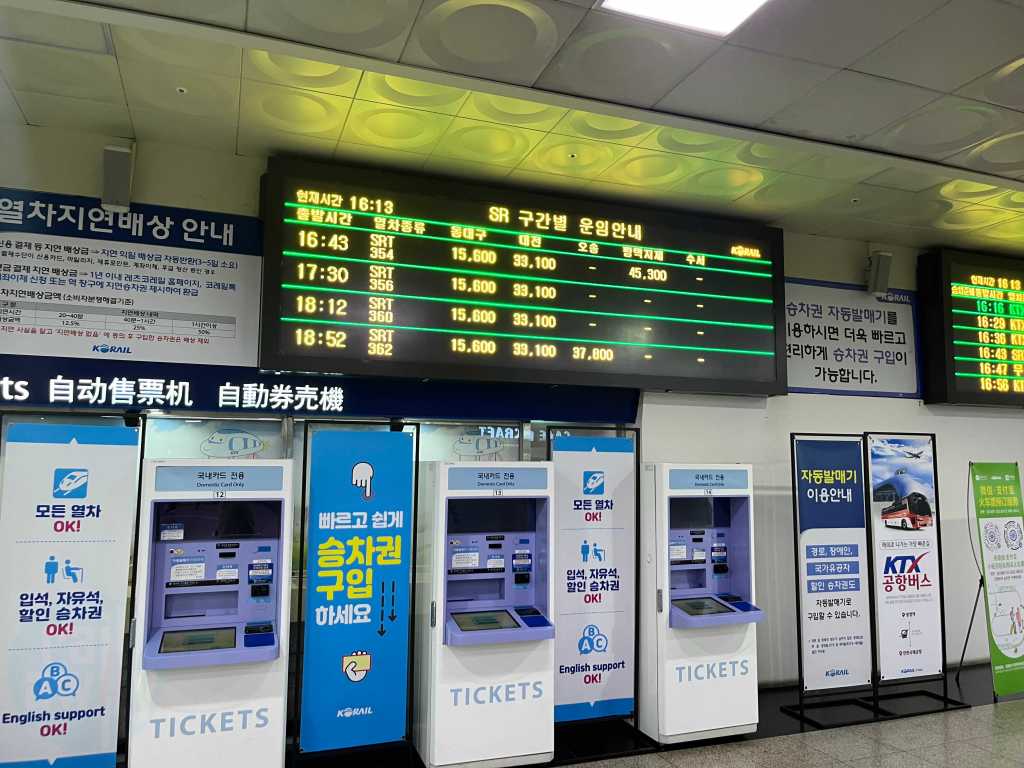
Facilities are aplenty in Busan station which includes luggage lockers, a staffed ticket office, ticket machines and a whole host of cafés and fast food outlets.
Our first impression of Busan station wasn’t the best as we initially paid a visit to the left luggage lockers to secure our belongings for the day. Having found an open locker, placed my first item of luggage in and subsequently reached down to pick up the second item, the door slammed shut and the locker decided to secure itself without payment! Assuming there was something wrong, the best advice on the station was to ring the number on the lockers. Taking matters into my own hands, I decided to try and pay for the locker and see if I could at least access my first item. It turned out that the lockers needed to be paid for first so the door then released itself. Confusingly, there were a few lockers that hadn’t been closed after the previous use.
Highlights in Busan City
The city offers a variety of touristic sites from a market to beaches to temples.
During my visit to Busan, I experienced and recommend:
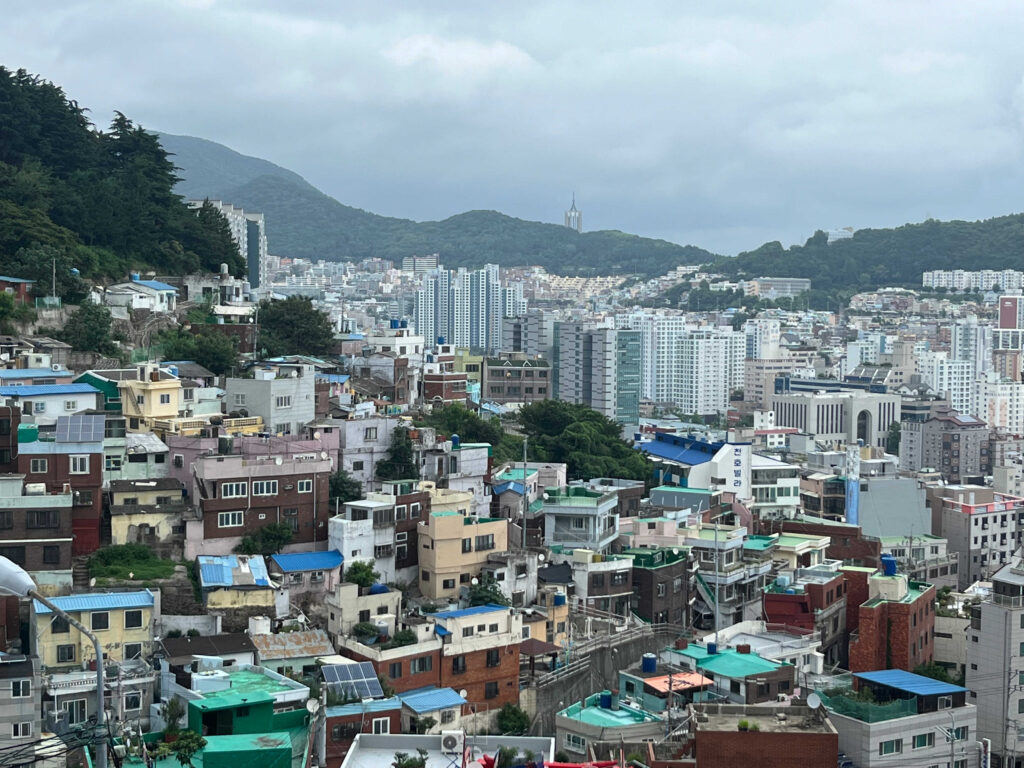
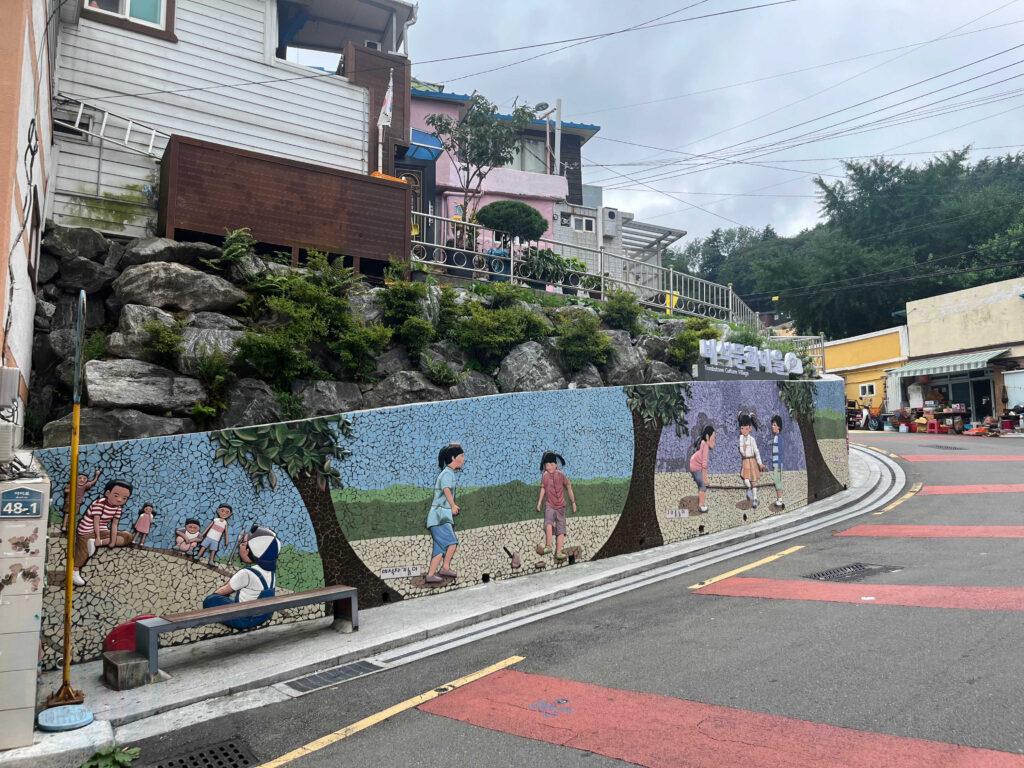
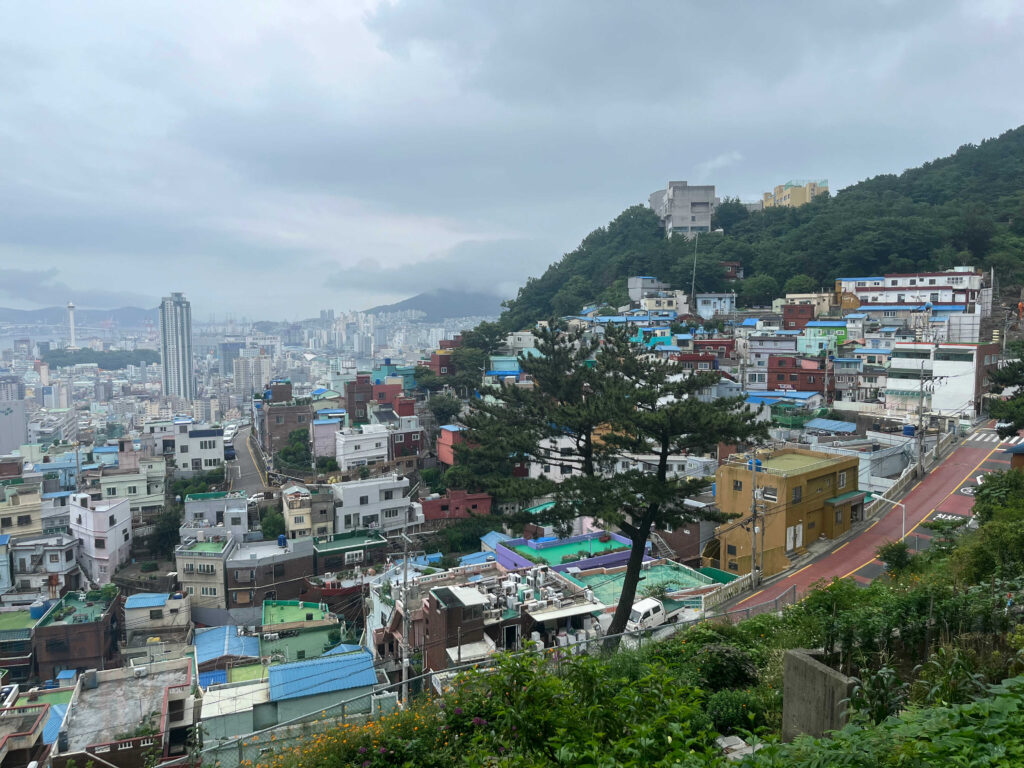
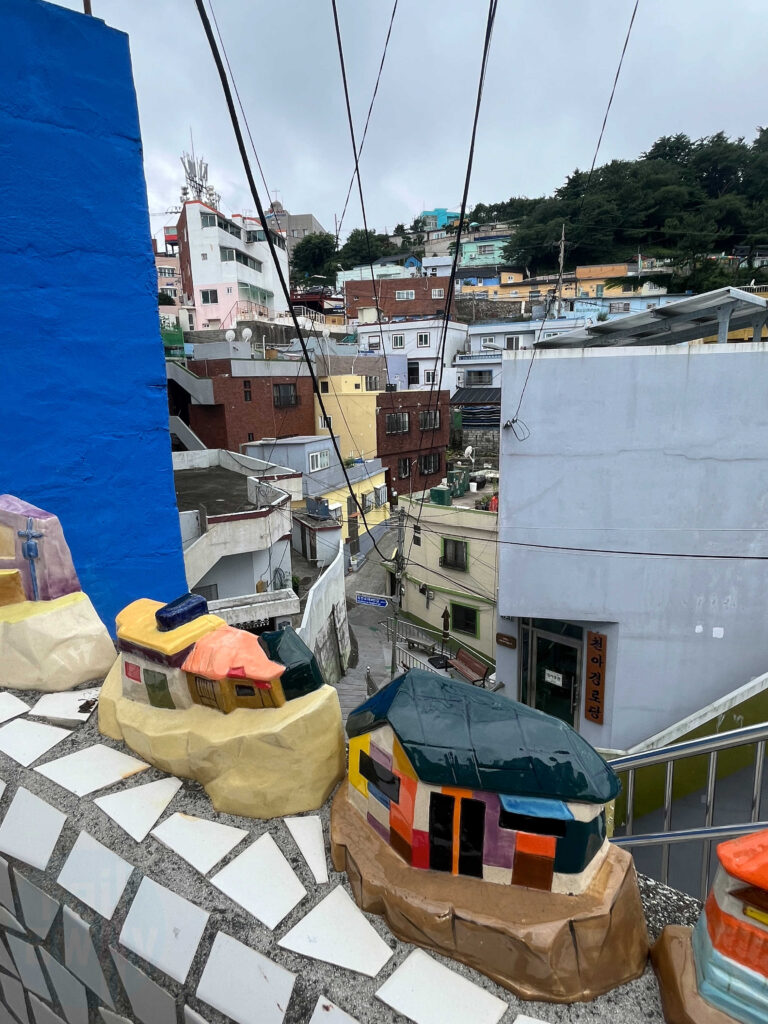
- Hiking (or take the bus) up to Gamcheon Culture Village
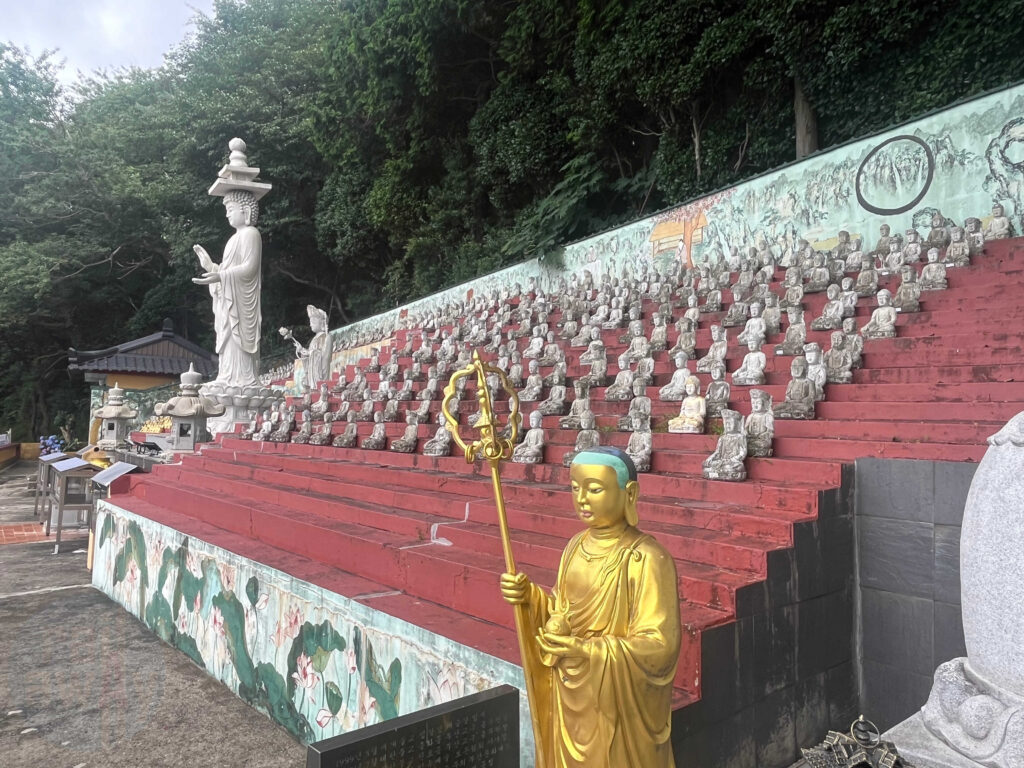
- Visiting the Gamcheon Culture Village’s Buddhist Temple offering scenic views of the city
Explore More with Rail-Away
Whether you’re planning your next adventure or simply enjoy discovering remarkable rail journeys, explore more travel inspiration, practical guides and real journey experiences from across Europe.
Be inspired by real Journey experiences
Discover real rail adventures across Europe and beyond, from iconic routes and night trains to hidden gems.
Guides to Get You On Track
Browse practical guides, inspiring itineraries and expert resources to help you explore Europe by train.
Watch the Journey Unfold
Experience Europe’s most spectacular rail journeys through our videos and witness stunning scenery.
Plan Your Perfect Rail Trip
Need a helping hand? Get personalised advice and support to create your perfect European rail adventure.
Onboard the KTX-I
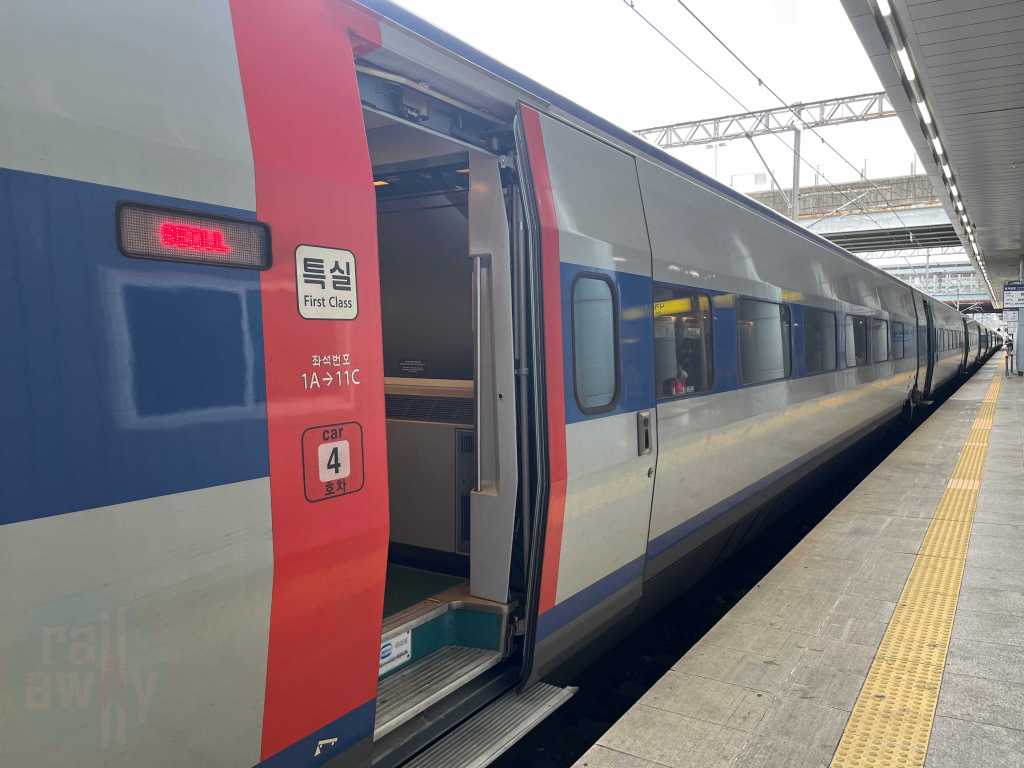
The KTX-I trains feature two classes of accommodation onboard, First Class and Standard. As mentioned previously, these trains are based on the TGV “Réseau” trains in France, though there are some differences to cater for the Korean market.
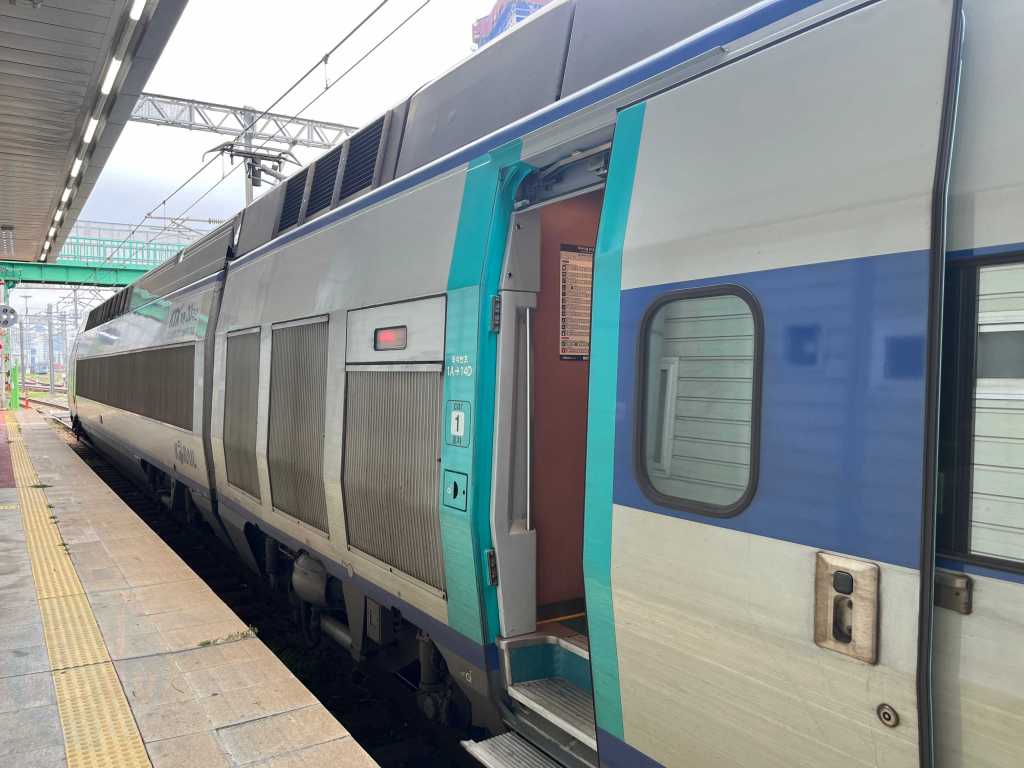
Firstly, the trains are very long with eighteen carriages per set: fifteen Standard and three First Class carriages – compared to eight in total on the original TGV “Réseau”. To account for this length the engine extends into the first passenger coach which is another difference. There are also some differences inside which I explore below.
Japan is known for its practices to show respect. Trains in South Korea share at least one of them and that is the bowing of staff as they enter and leave carriages. As the train staff pass through each carriage, they turn to customers and bow. The practice, subtler in South Korea, is lovely but a little odd for this westerner, unsure how to respond. I bowed back.
First Class Accommodation
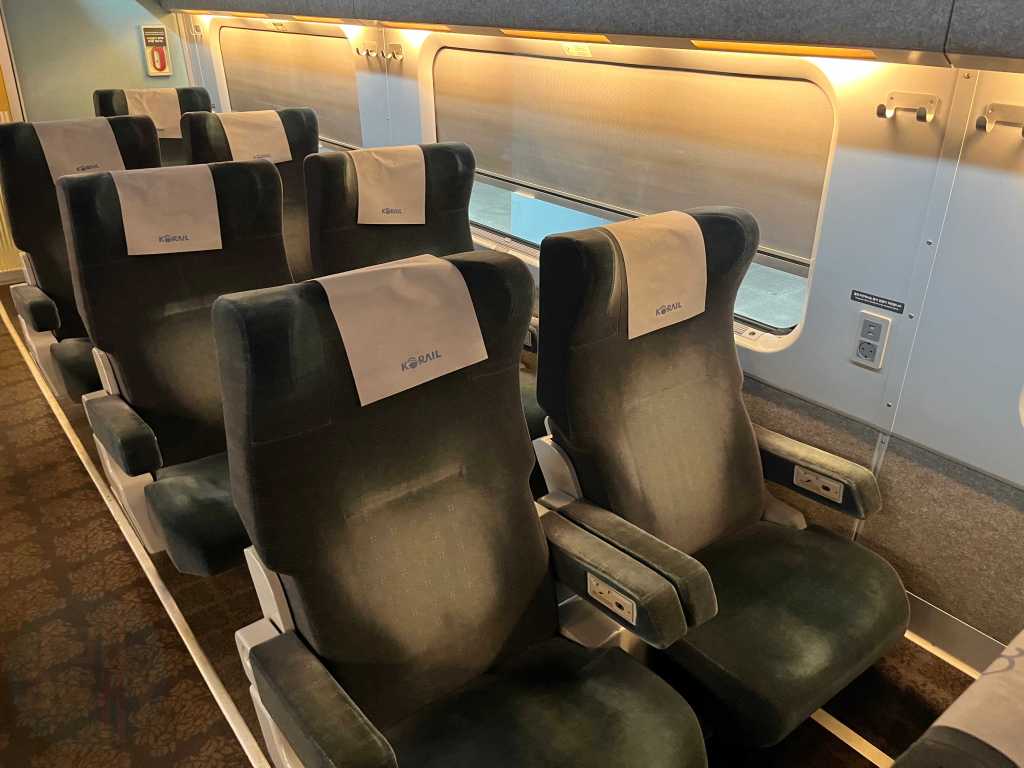
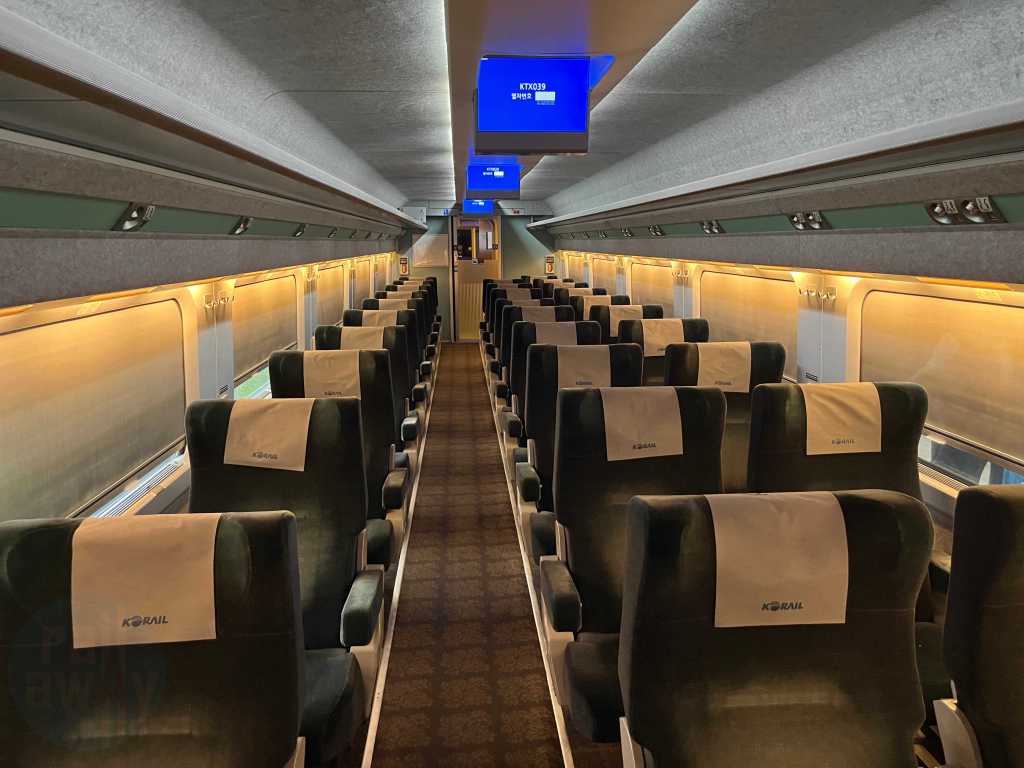
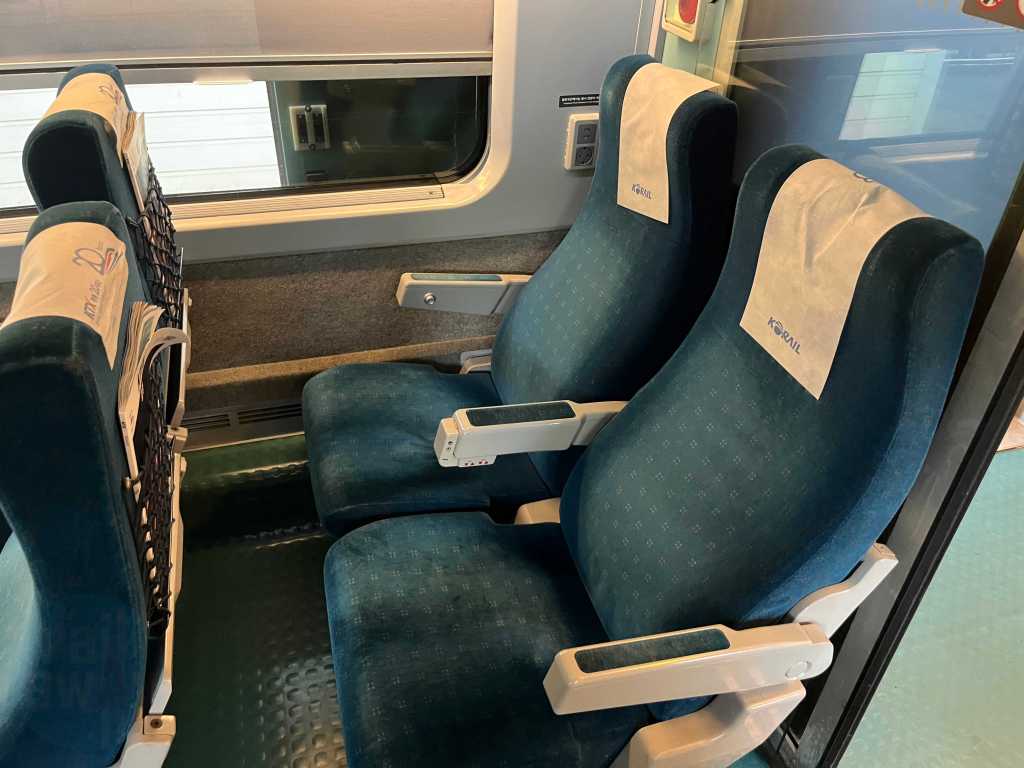
Featuring seats similar to the First Class seats on the TGV, the KTX-I First Class is a real step up compared to Standard Class. Comfort is the best word to describe this carriage with wide, well padded armchairs, plenty of legroom and some little nice touches to the onboard experience. The seats in First Class are rotated to always face forwards, another difference to the TGV ‘Réseau’ that have fixed seating meaning you could be going backwards or forwards.
The downside to the KTX-I is that trains don’t half show their age. There are power sockets, which appear to have been added later. These are positioned between every window. As a window is shared with two rows of seats, the power sockets that consist of a main socket and USB ports are shared. Within minutes of departure, a Dutch guy asked me if he could use the socket, which was no problem. It did keep popping itself out every so often though which was annoying. This is my first travel report in Korea, but as you’ll see in future reports, there is inconsistency between these trains and the more modern fleets.
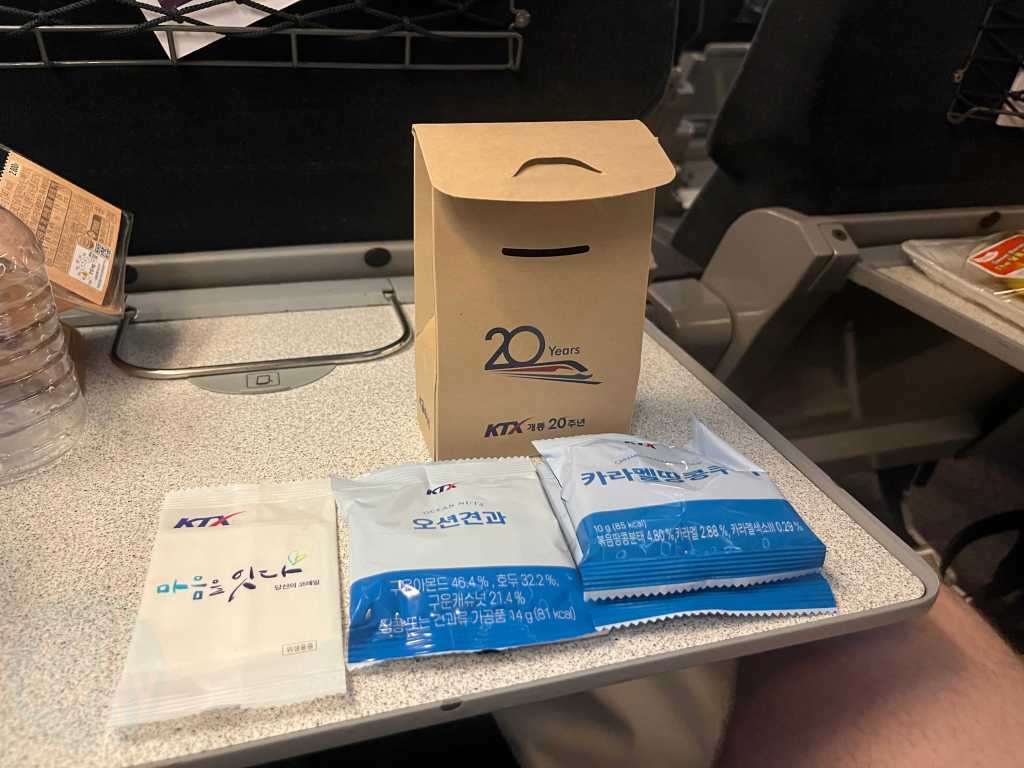
Following departure from Busan going north and Seoul going south, a host comes to the carriage offering a complimentary snack. As the KTX-I celebrates its 20th anniversary, a small cardboard box featuring a specially commemorated logo was handed out with a bag of nuts and two caramel peanut cookies.
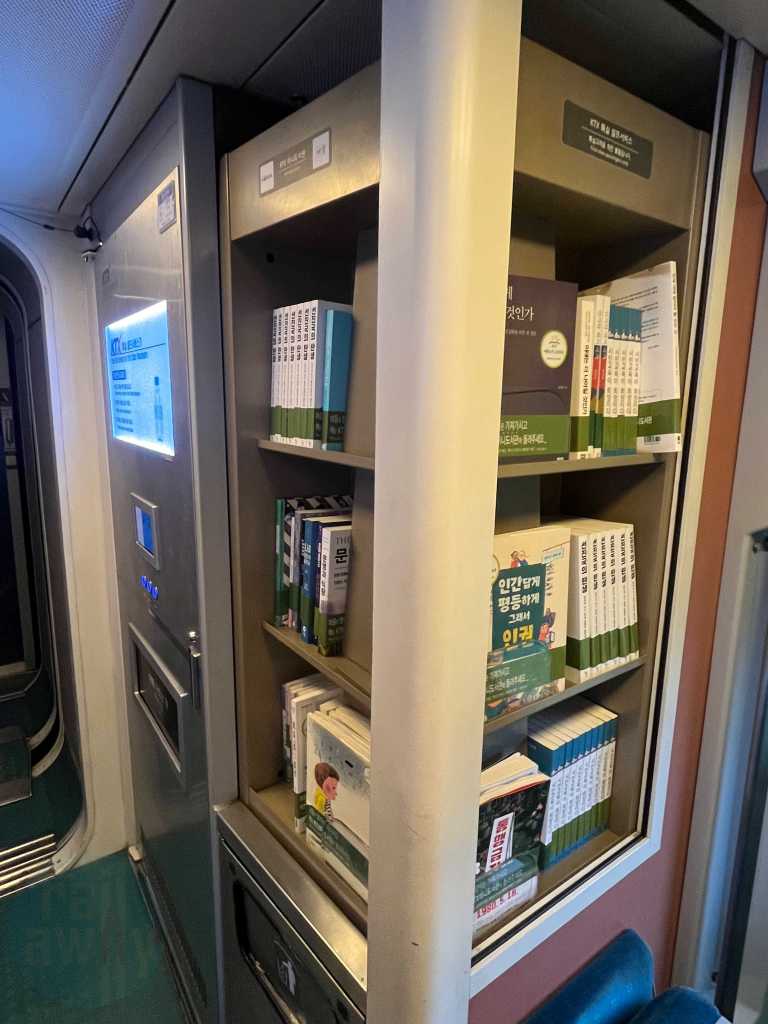
A train first for me is that the KTX-I also features an onboard library for First Class passengers. Each book had a sticker with the KTX, probably discouraging customers from taking them off the train. I’m not sure how much of a book you can read in a 2 hour trip but you can certainly give it a go. If anything it encourages you to rebook another trip to continue the novel on a subsequent journey!
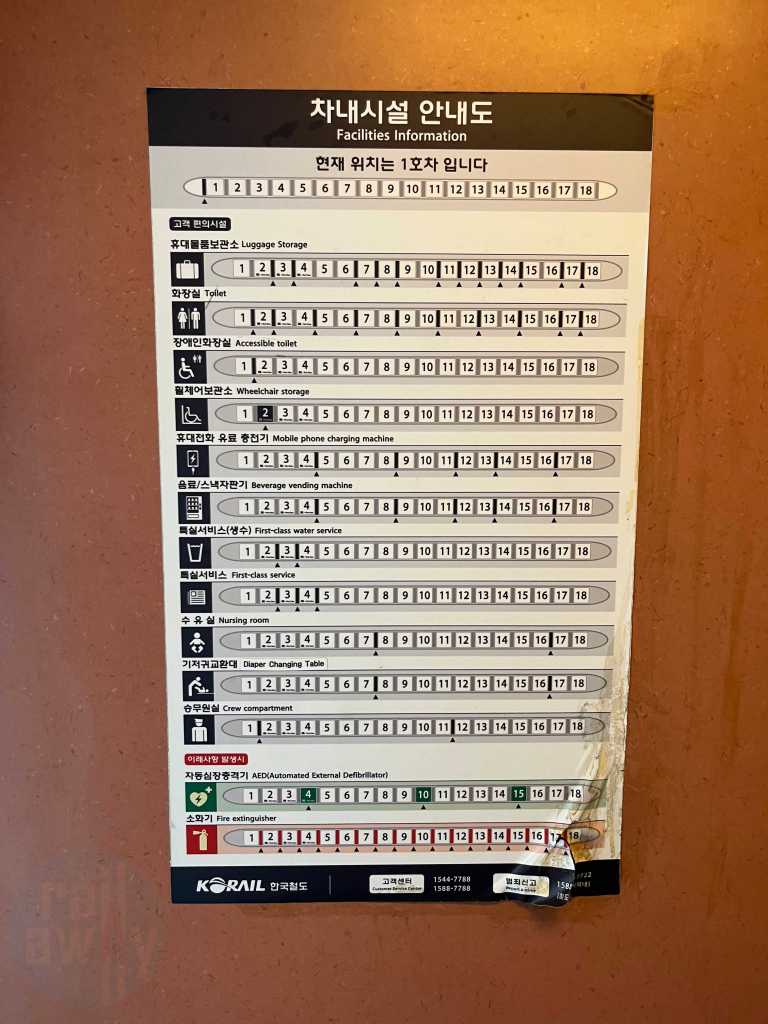
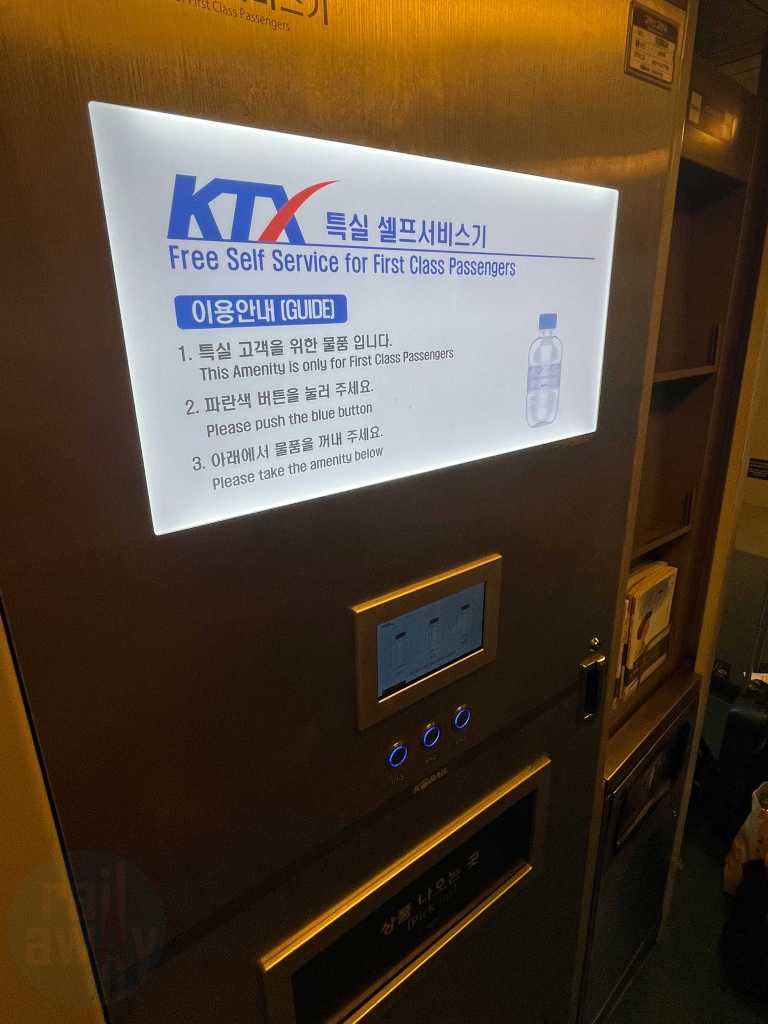
There is also a vending machine with free bottles of water provided for First Class passengers too. This is only available on the KTX-I and therefore is another inconsistency in service compared to the newer versions where water is provided at seat or not at all.
Standard Class Accommodation
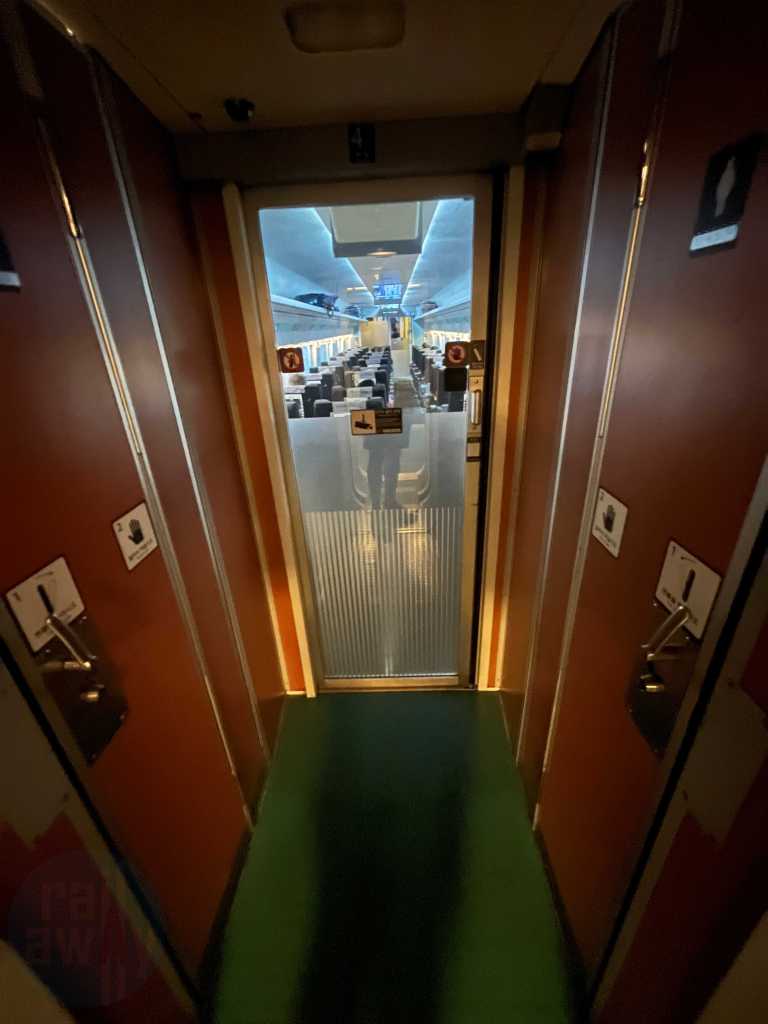
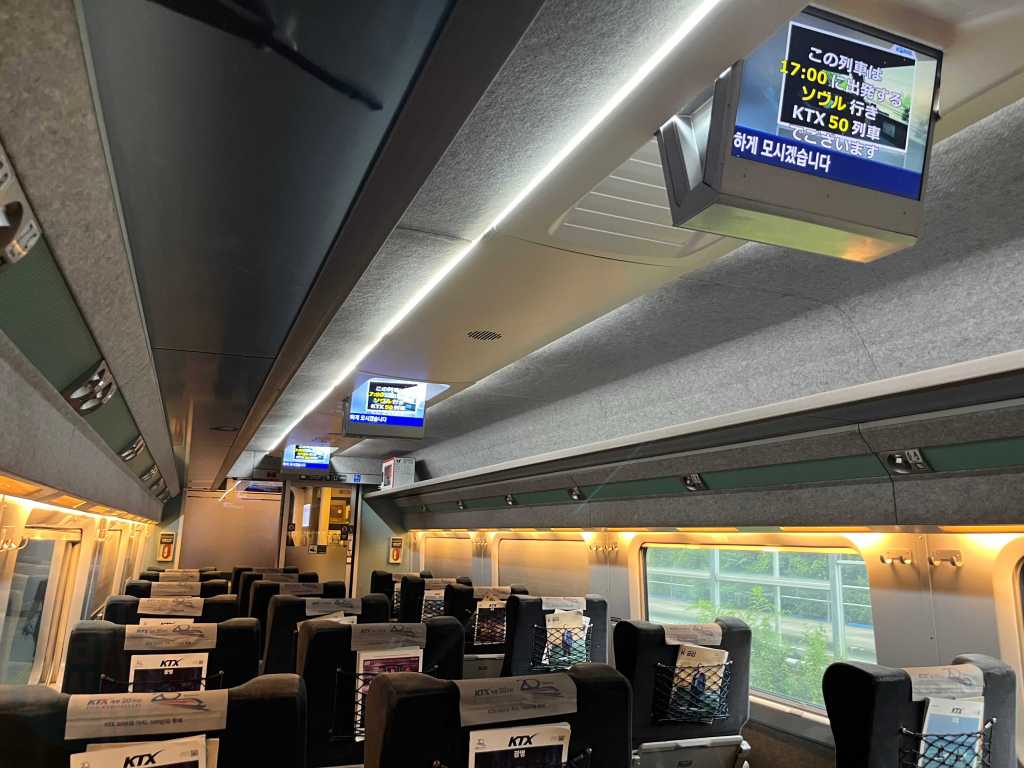
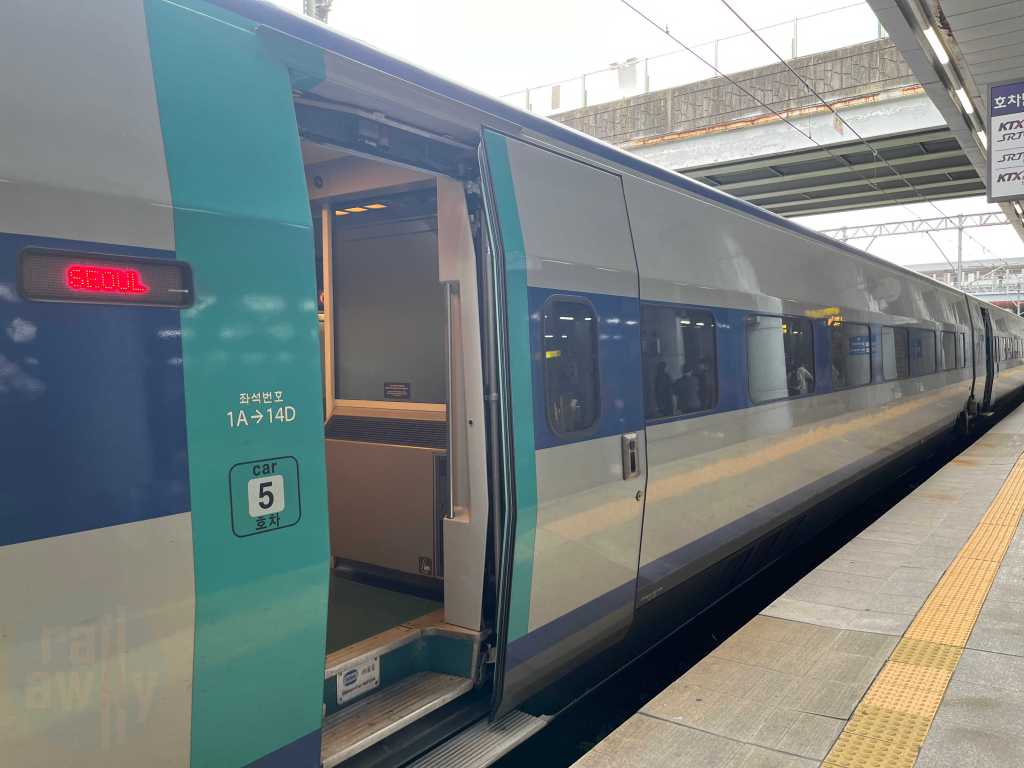
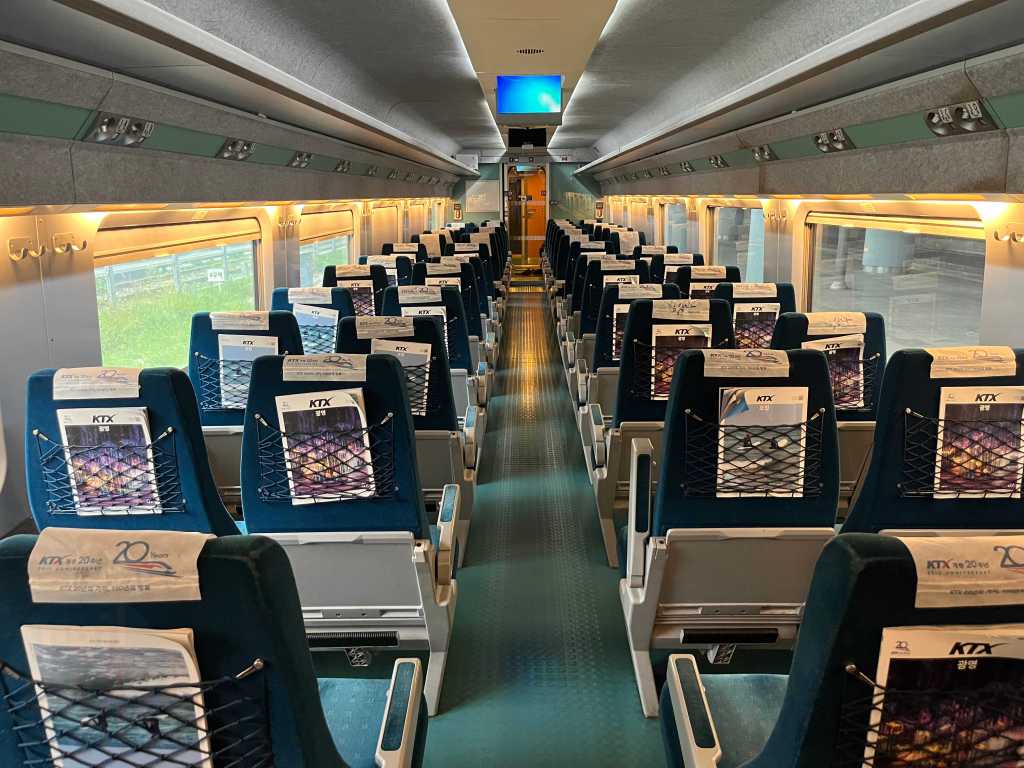
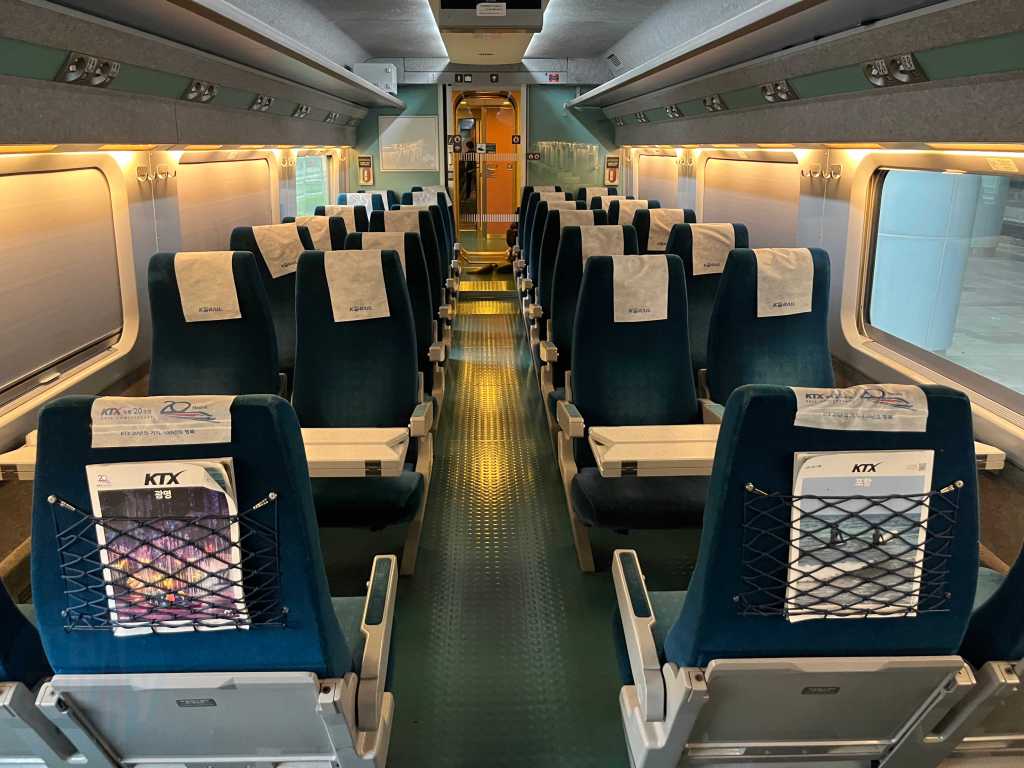
Standard Class on the KTX-I is, unfortunately, a huge step down in comparison to First Class. The seats feel crammed in, legroom is restrictive and the depressing, dark green vinyl floor with a non-slip coating gives a hospital vibe. What would it take to carry on with the carpet through to Standard?
Unlike First Class, the seats in Standard Class on the KTX-I don’t rotate to the direct of travel. This does mean that there are a couple of table seats of four available in each carriage, unlike in First Class, but half the passengers will need to travel backwards.
Onboard Catering
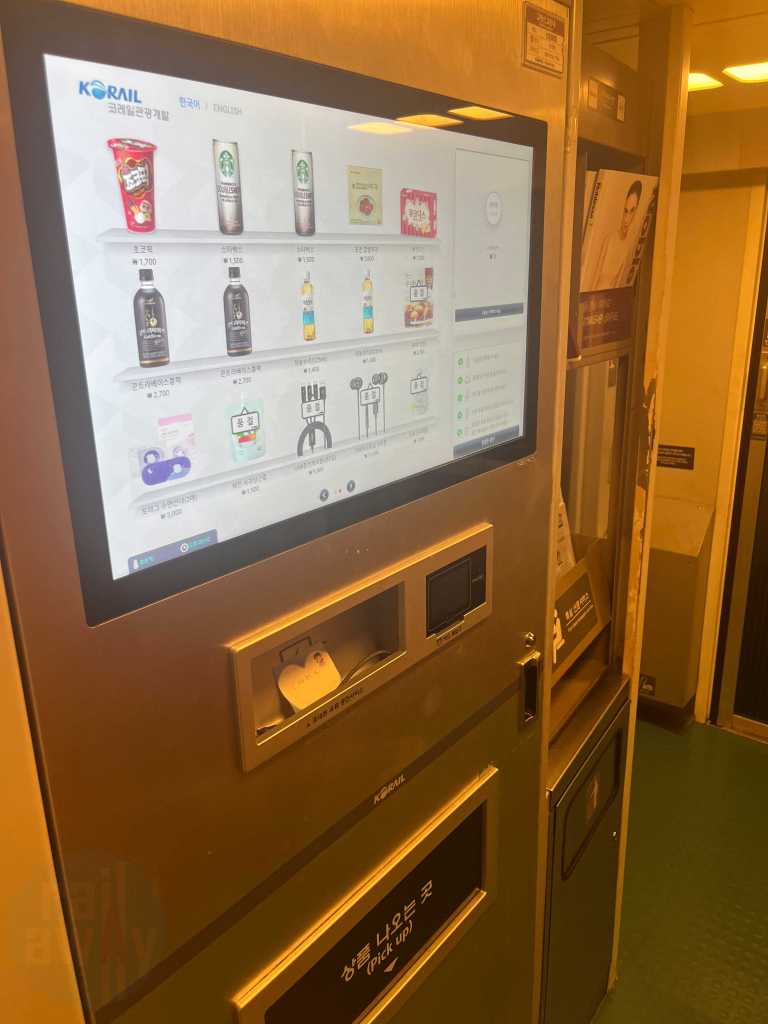
Common in this part of the world, the onboard catering offer on the KTX-I is unsurprisingly very limited with only vending machines available situated in vestibules. If you require food, you’ll need to bring food along with you. Something that the French counterpart does better with at least a café bar, which is saying a lot as it ain’t that great by European standards.
Scenery Video
The high-speed Gyeongbu line is scenic in parts. See my YouTube video below of the key scenic moments of the trip.
Arrival at Seoul Station
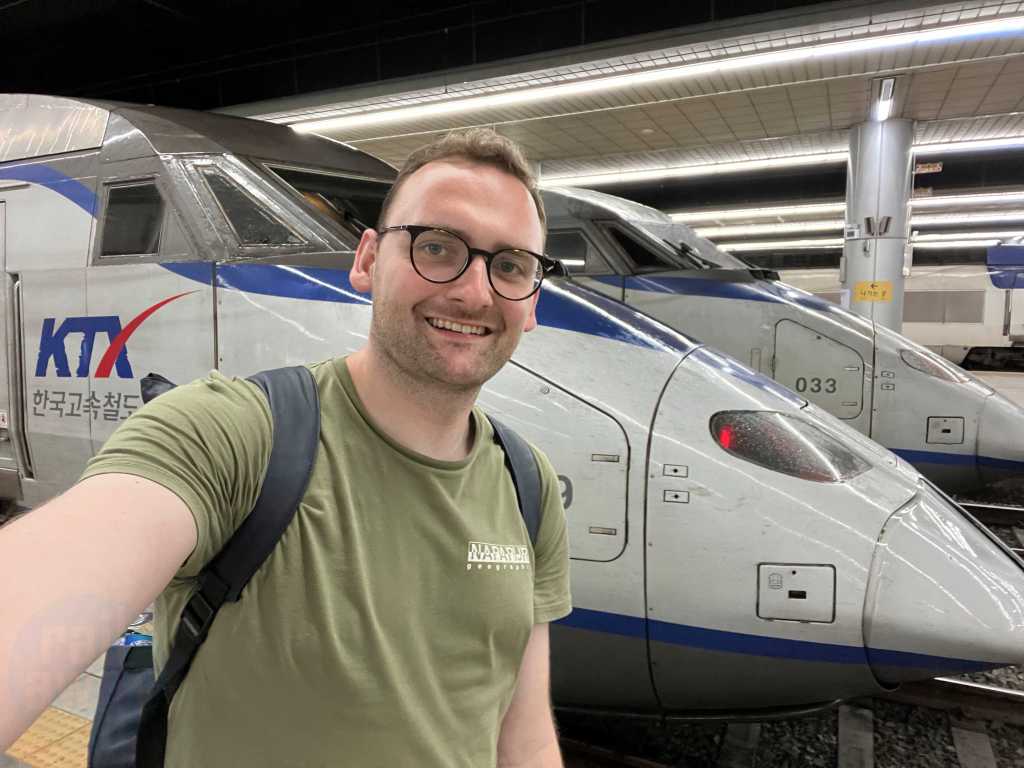
The KTX-I made it to Seoul station only a few minutes behind schedule. The vast station offers numerous eateries, left luggage facilities and a ticket office. Do allow plenty of time to navigate this station before your trip.
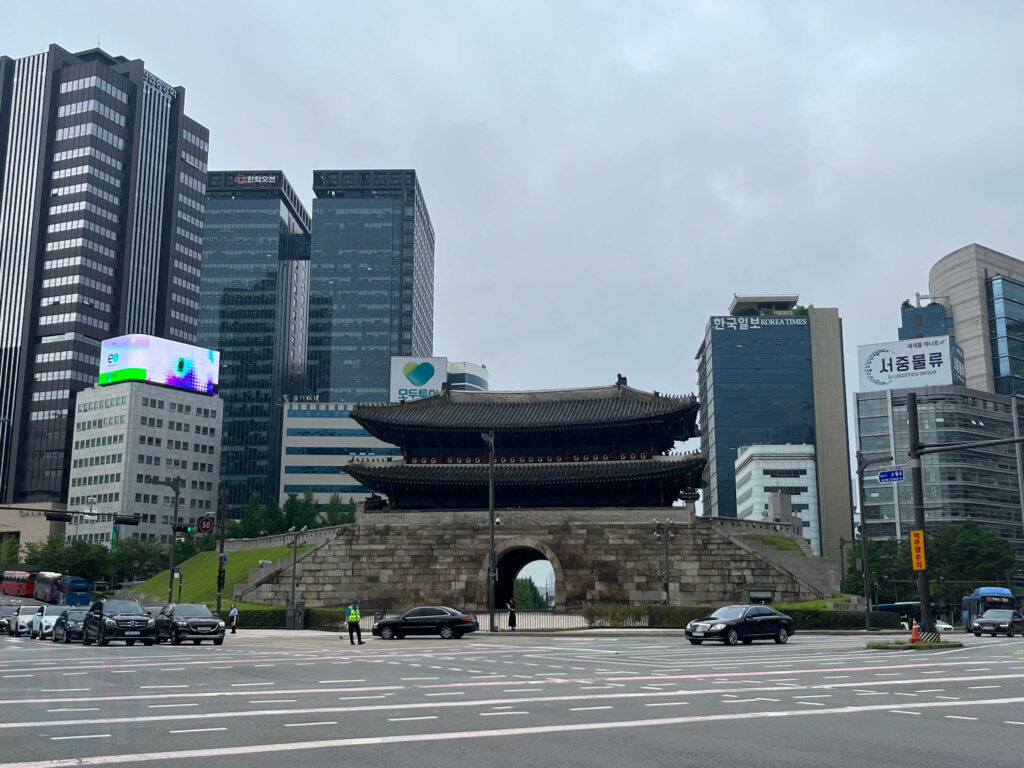
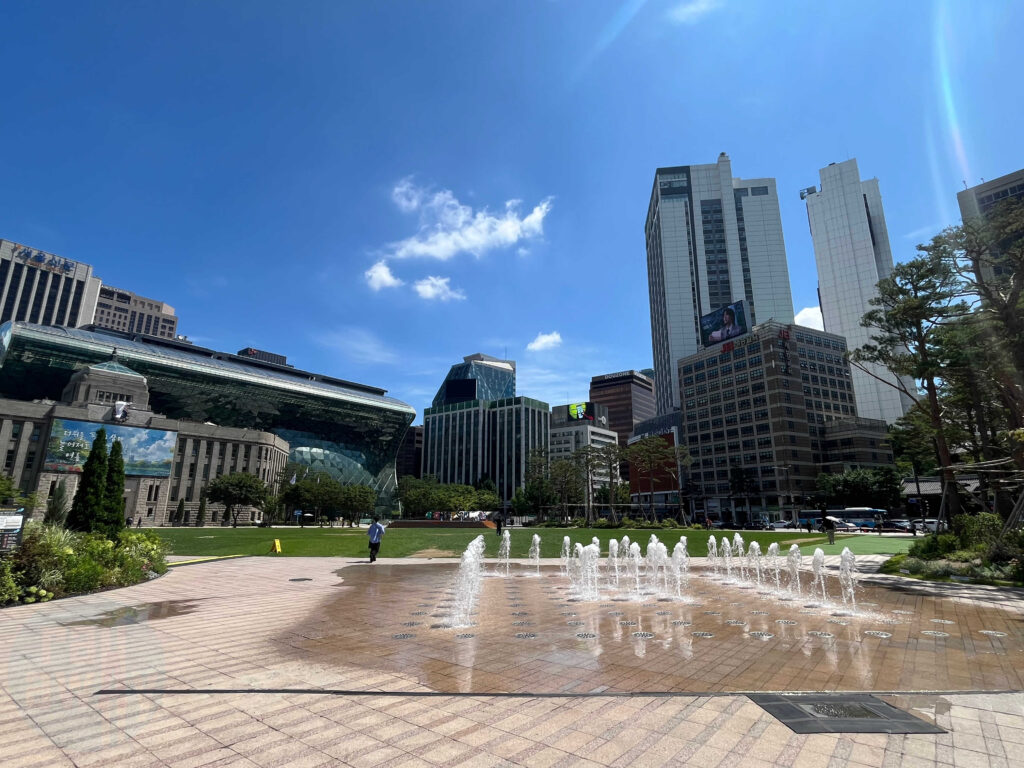
Highlights in Seoul City
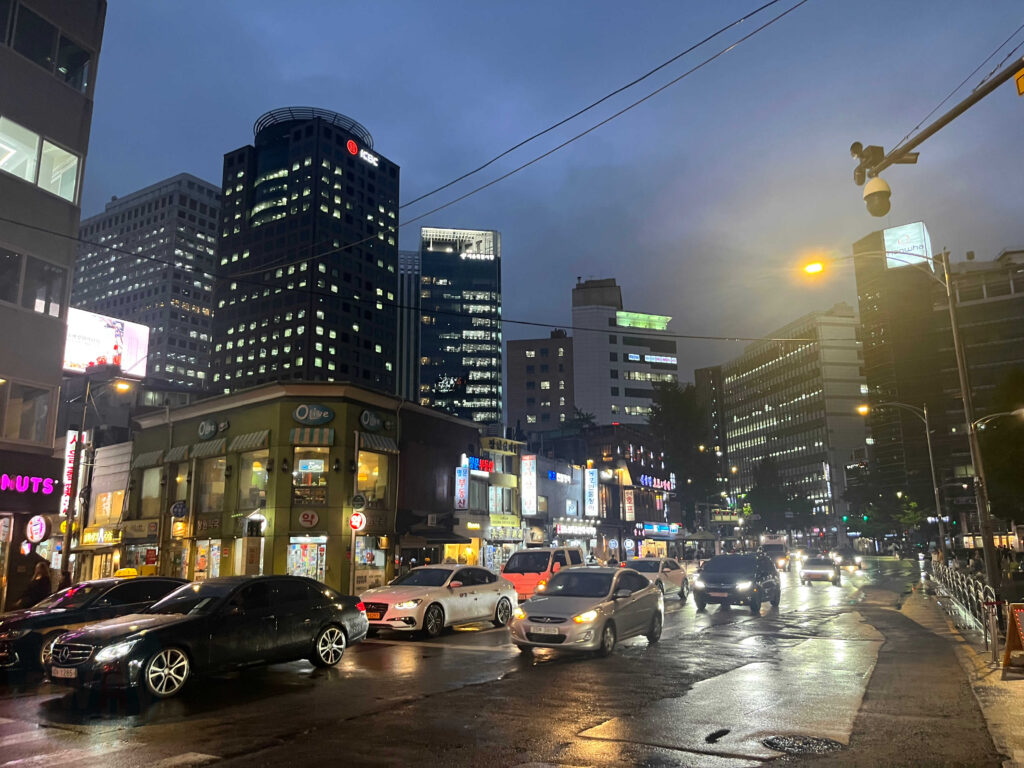
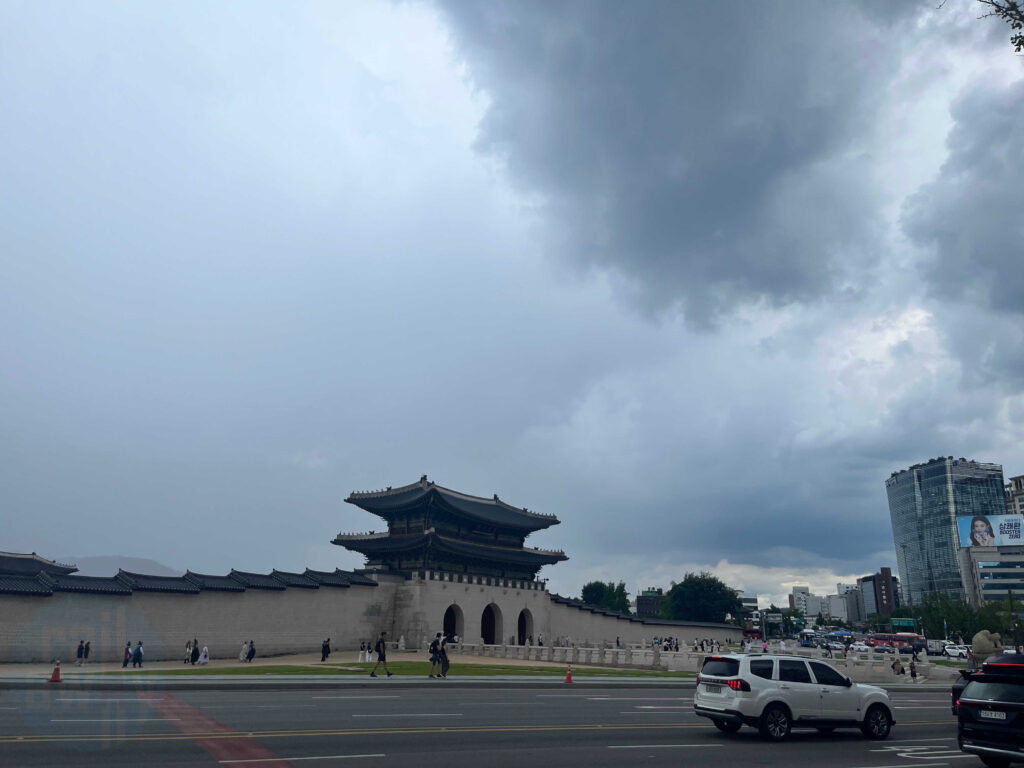
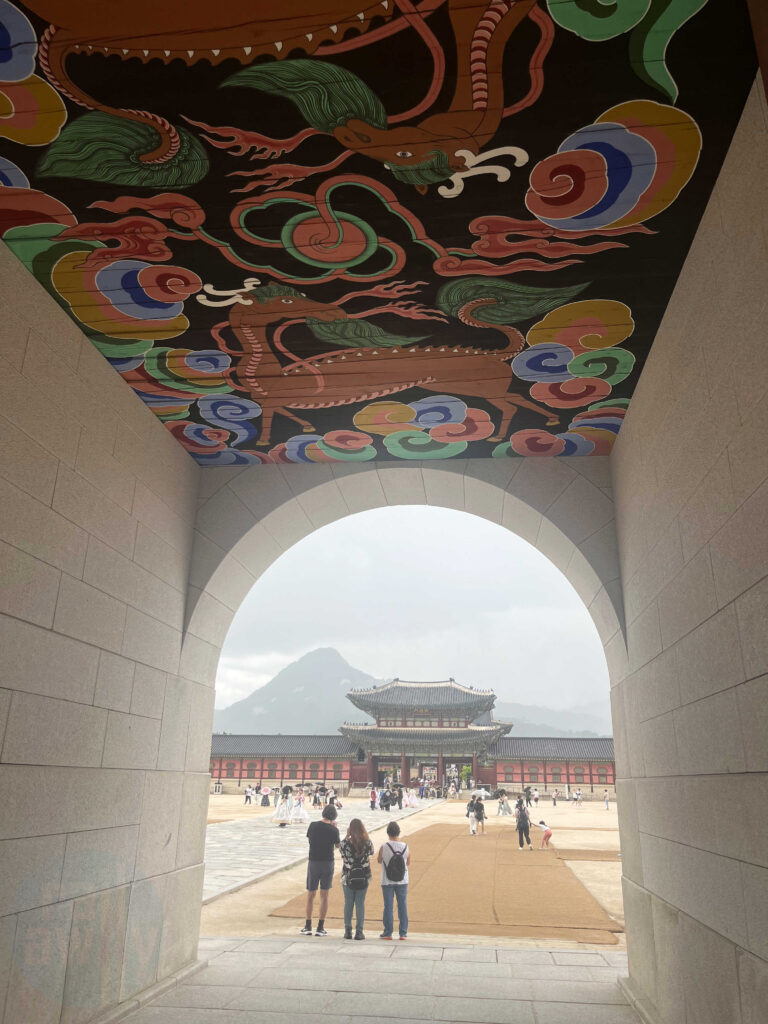
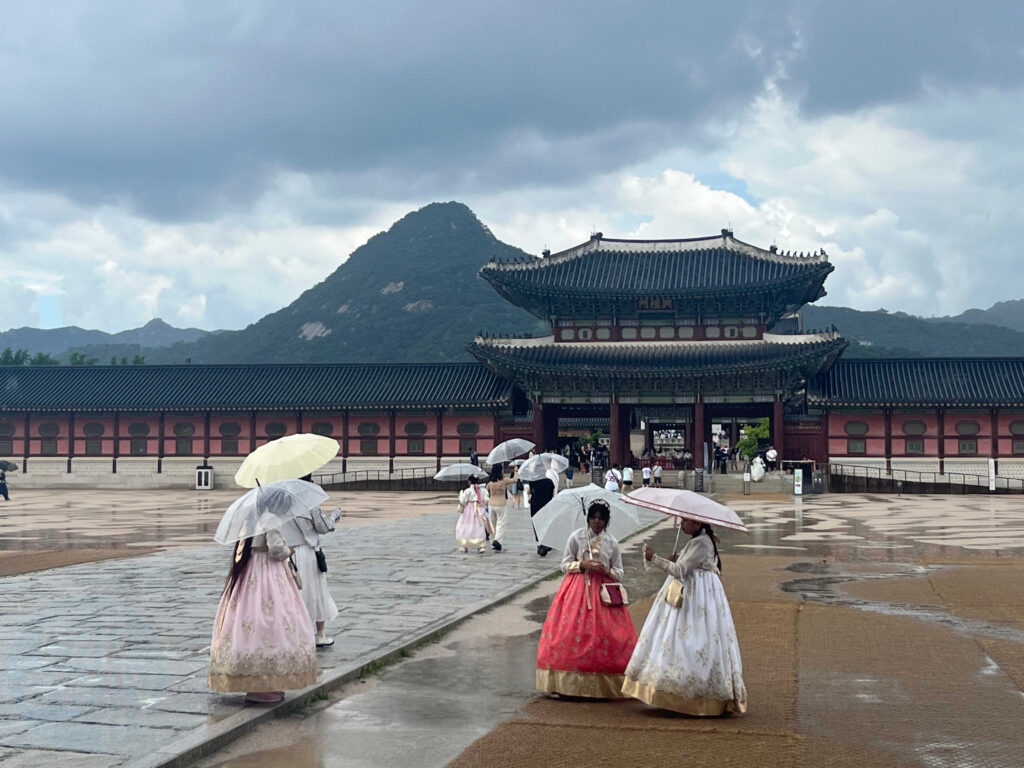
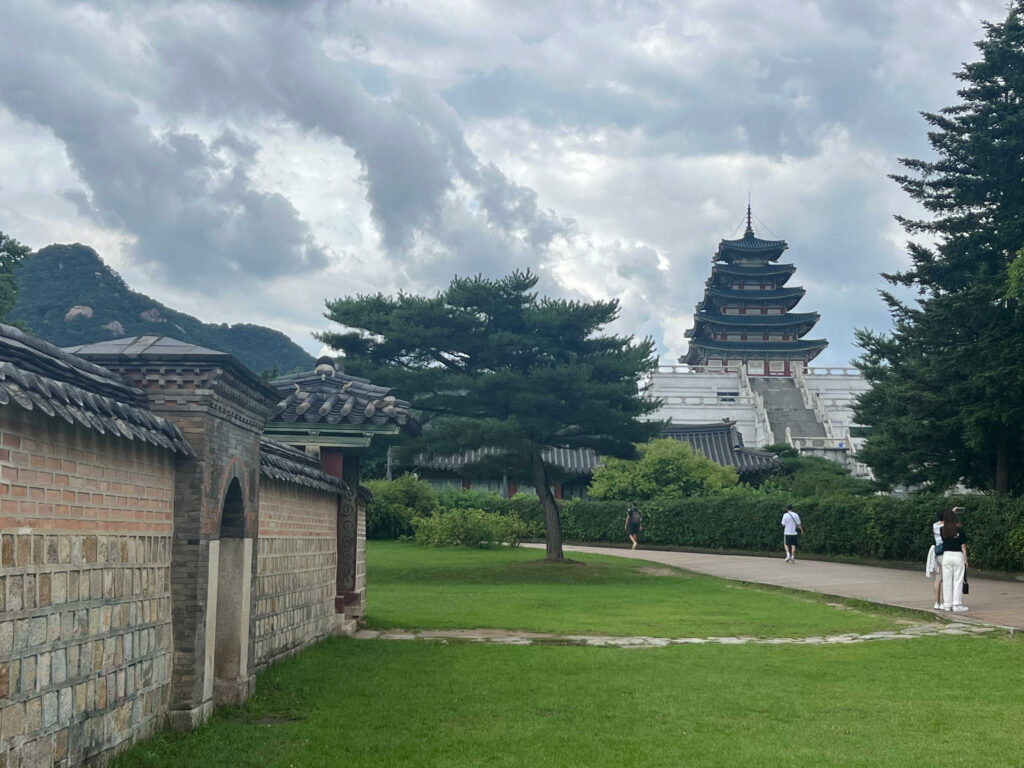
Modern skyscrapers and historic temples clash and dominate the skyline in South Korea’s capital, Seoul.
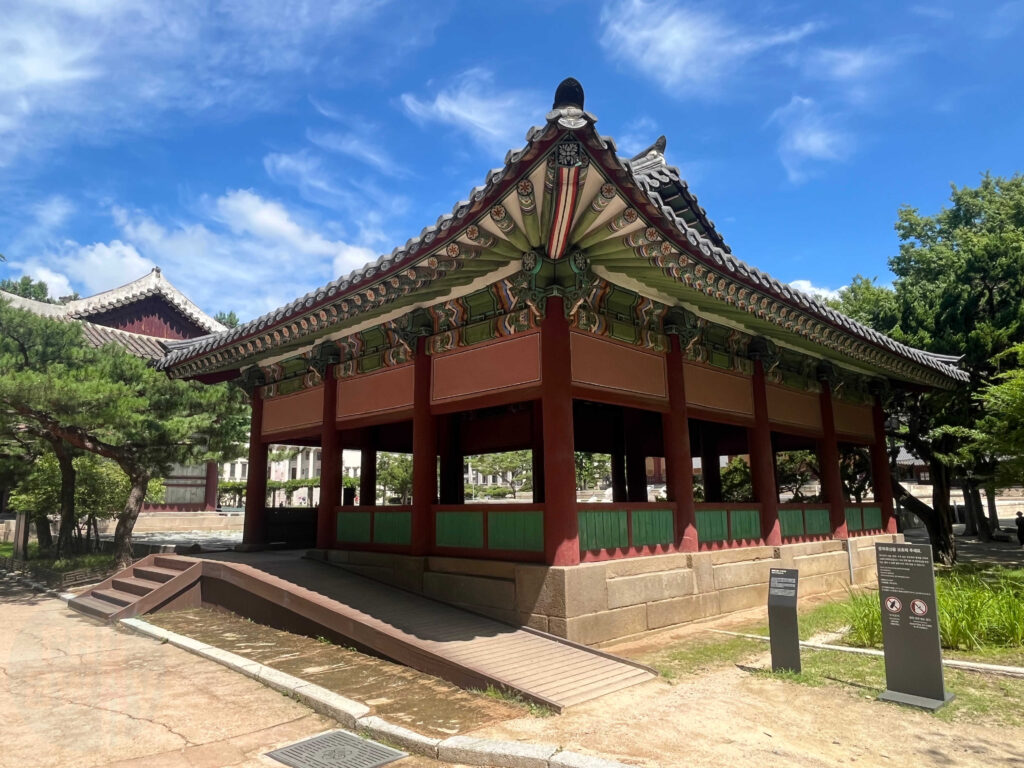
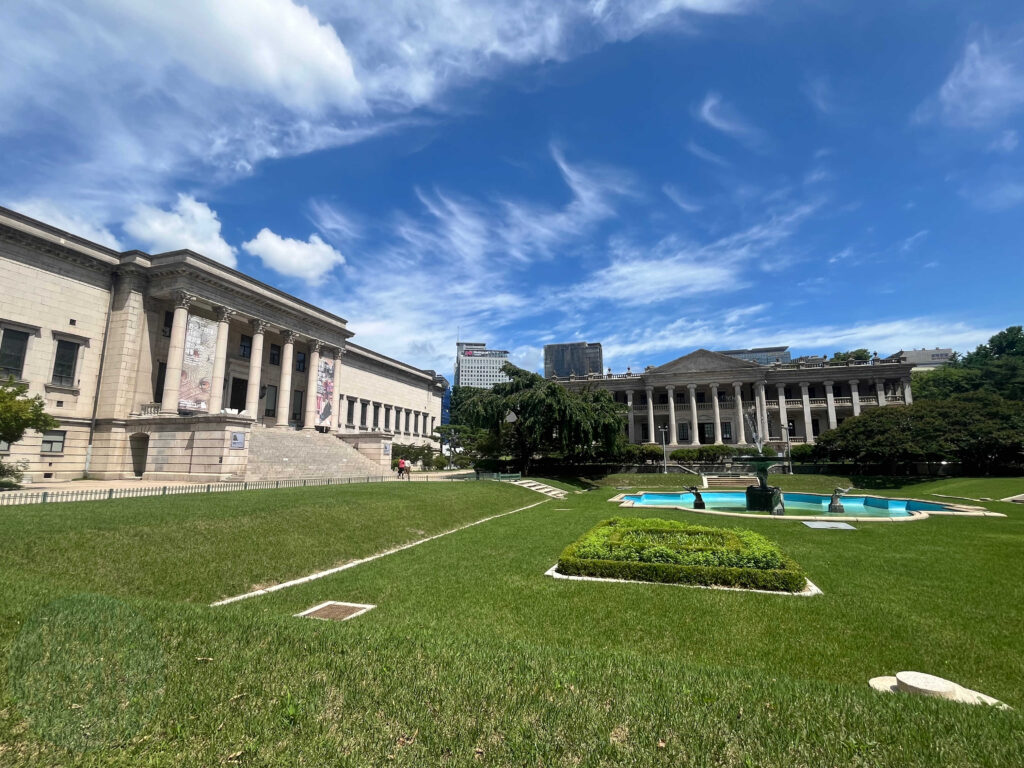
During my visit to Seoul, I experienced and recommend:
- Geunjeongjeon and Geunjeongmun Gate
- Changgyeonggung Palace
- Deoksugung Palace
- National Museum of Modern and Contemporary Art, Deoksugung
- Deoksugung Doldamgil (Stone Wall Road)
Booking and Fares
A trip on the KTX-I is cheap by western standards, helped by favourable currency exchange rates to the Korean Won.
Tourists can also take advantage of the excellent Korail Pass, purchasing from the official Korail website, providing unlimited travel and two reservations per day for different durations.
The Korail Pass is valid for Standard Class by default, however, the included reservations can be upgraded to First Class for a nominal fee which is completely worth it. I ended up paying approximately $8.75 / £6.80 / €8,00 to upgrade this trip per person on top of my Korail Pass. If the journey involves multiple trains this counts as one reservation as long as it’s booked in one go.
| Pass Type | Individual Price | Youth Price | Child Price | Group Price (2-5 people, per person) |
| 2 day select pass | 131,000 KRW / $96.50 | 105,000 KRW / $77.30 | 66,000 KRW / $48.60 | 121,000 KRW / $89.10 |
| 3 consecutive days pass | 165,000 KRW / $121.50 | 132,000 KRW / $97.20 | 83,000 KRW / $61.10 | 155,000 KRW / $114.10 |
| 4 day select pass | 234,000 KRW / $172.30 | 187,000 KRW / $137.70 | 117,000 KRW / $86.10 | 224,000 KRW / $164.90 |
| 5 consecutive days pass | 244,000 KRW / $179.60 | 195,000 KRW / $143.60 | 122,000 KRW / $89.80 | 234,000 KRW / $172.30 |
Otherwise, the point-to-point KTX fares won’t break the bank, designed to be priced between conventional rail and airline tickets. Fares do vary on a train-by-train basis hinting at some revenue/demand management going on, but don’t vary as much as rail operators’ fares do on long distance trains in western Europe.
Tickets can be booked at letskorail.com. For travel on the KTX-I, select a train marked as “KTX”, not trains that follow with a name e.g. “KTX-Sancheon”.
| Journey Leg | First Class (Reservation included) | Standard Class (Reservation included) | Standing Ticket (No reservation, Standard Class) |
| Busan to Seoul | from 68,300 KRW / $50.30 | from 48,800 KRW / $35.90 | from 41,500 KRW / $30.50 |

Plan Your European Rail Trip for Just £29*
(approx. €33 / $34)
Your custom European rail itinerary – expertly planned, ready to book and delivered within 72 hours.
Planning a multi-city train trip can be confusing and time-consuming. That’s where our Plan My Rail Trip service comes in. We research your route, compare ticket options, and show you how to book the cheapest and most efficient connections available at the time of research — checking both point-to-point tickets and Interrail / Eurail pass fares — so you don’t have to.
All for just £29* – no stress or hours spent researching.

Check out Plan My Rail Trip now at the Rail-Away Shop:
Please note: the above link takes you to the Rail-Away Buy Me A Coffee website where you can review options and, if you choose to, complete your purchase.
*Plan My Rail Trip permits 5 or less travel days and 4 or less stopover locations. Those requiring more will need to purchase the Plan My Rail Trip Plus option. Fares quoted are subject to availability and change. Rail-Away provides research and booking guidance only and does not sell tickets.
Conclusion
The KTX-I trains are twenty years old now and this is showing in the interiors. The KTX-I trains are probably the most comfortable in First Class, however. When travelling on a KTX-I, I would always try to upgrade to First Class considering the huge step up in comfort from Standard Class.
Korail does have an issue with consistency across its KTX fleet as newer models arrive with enhanced features and some services removed. Although it clearly states what type of train will operate the service on Korail’s website, these differences will likely catch customers out so it pays to research whether the specific train being travelled on has all the features required.
The Korail pass is excellent value for money for tourists, especially with the ability to upgrade to First Class for a nominal fee. The point-to-point fares are relatively cheap compared to western Europe, Japan and the United States.
Oh and don’t worry, there weren’t any zombies on any of my KTX journeys!
Have you taken a trip on the KTX or any trains in South Korea? What was your experience? Let me know in the comments section below.
This travel report was first published in July 2024.
See More from Rail-Away

Join 500+ travellers using our expert free train guides!

Travel Europe by Train – Smarter and Easier
Get great routes, fare tips and tricks from our FREE insider guides
Get instant access to:
✓ 3 curated European rail itineraries for your next trip and be inspired
✓ Simple booking and money saving guide and book with confidence
✓ Night train tips and what to expect – optimise your time and experience