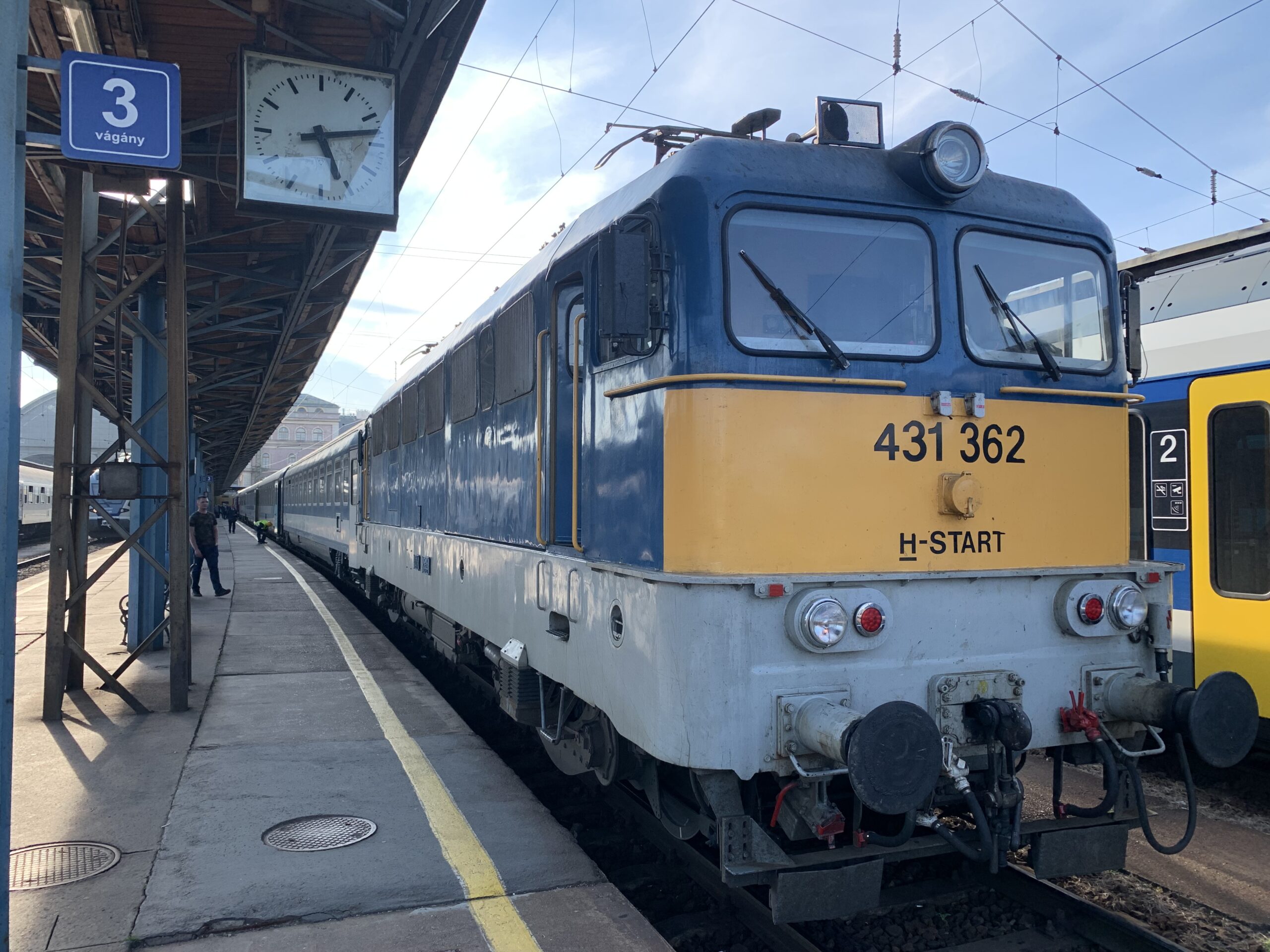
The concept of naming trains is somewhat rare in Western Europe nowadays – in the Eastern parts, however, there are plenty. As part of a trip from the UK to Romania by train, I had booked on the, unfortunately named (at least for 2020 onwards), “Corona” InterCity for its full journey from the Hungarian capital of Budapest to Brașov, in the heart of Transylvania.
There are a multitude of sleeper trains between Hungary and Romania each day, departing at different times, all with their own names to match. The best known ones are the “Ister” and “Dacia”, which connect the capitals of Budapest and Bucharest. These trains are exclusively formed of carriages by the Romanian State Railways (CFR Călători) for journeys across the border with Romania.
On the contrary, the Corona is unique as it is formed of carriages from the Hungarian State Railways (MÁV-START), with its own dining car to match – a rarity in the world of continental European sleeper trains to have both a restaurant and sleeping car. The train also takes a different route within Romania to serve towns, where Hungarian is widely spoken – for example Gheorgheni, Miercurea Ciuc and Brașov.
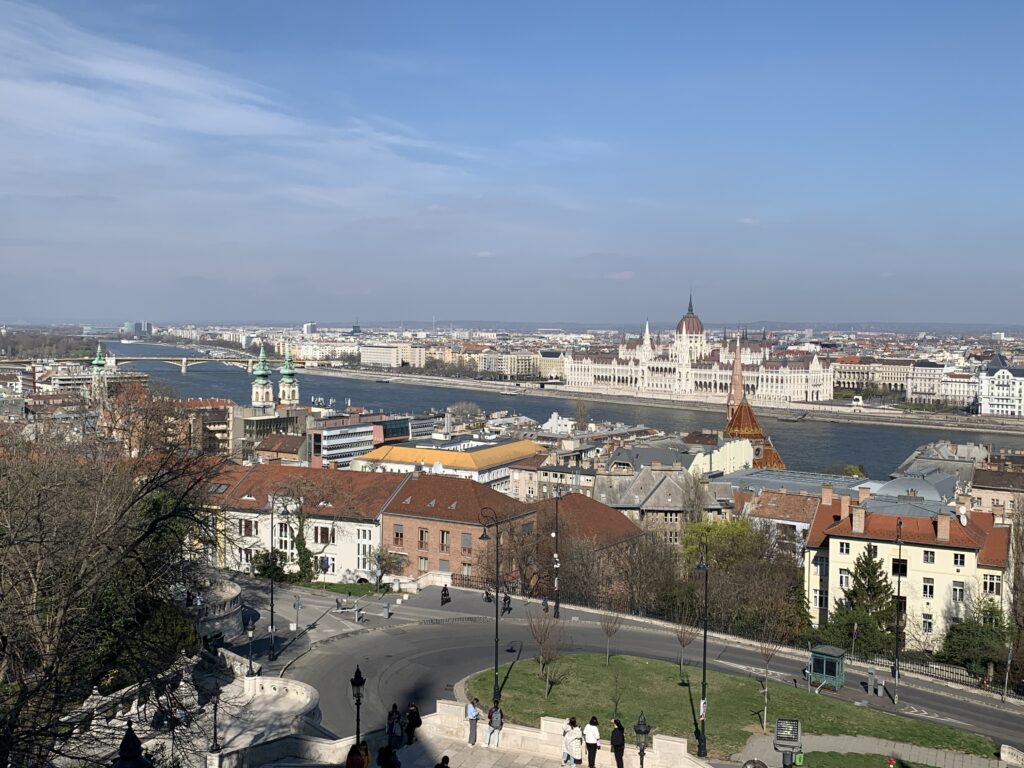
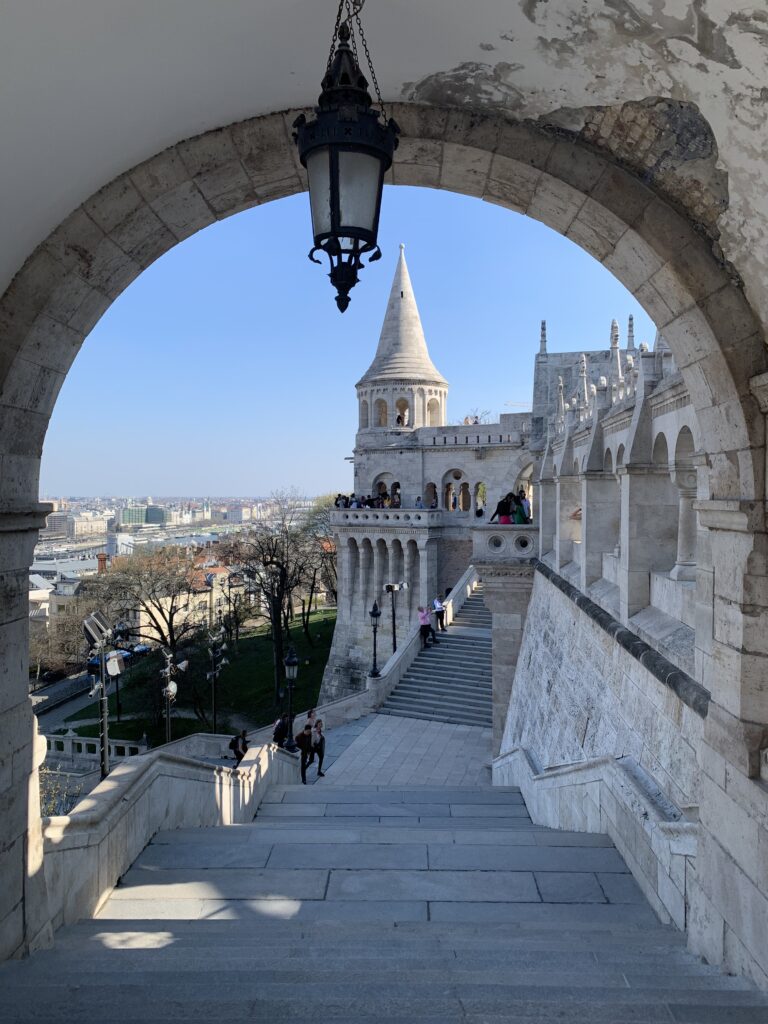
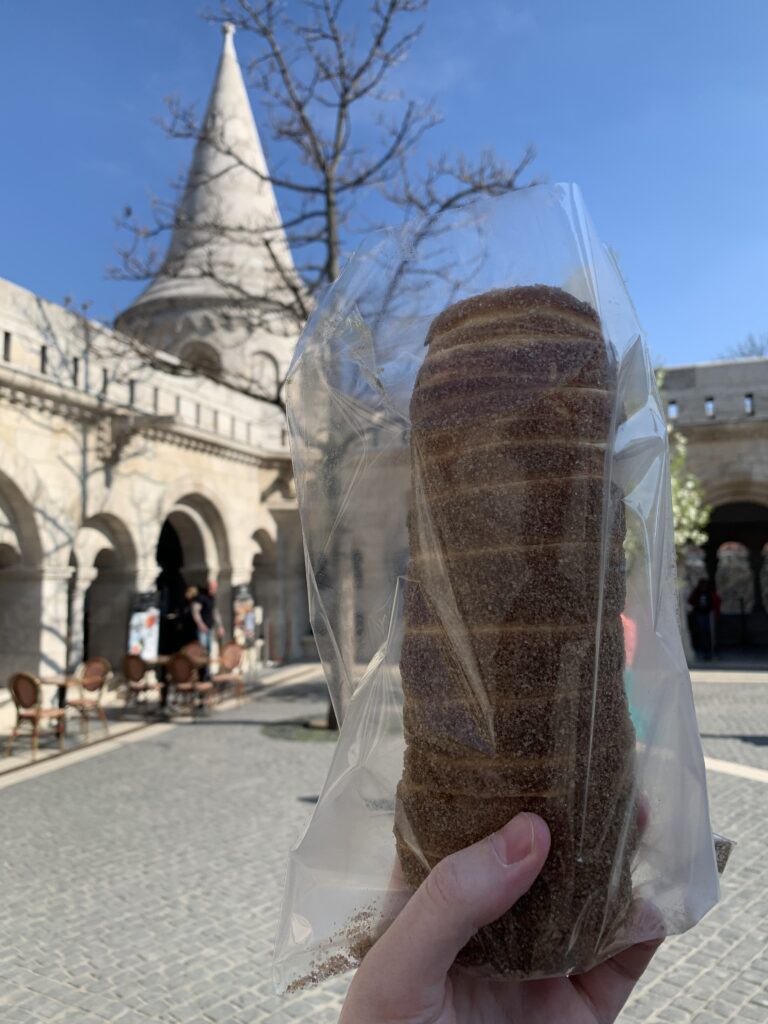
After enjoying a highly appropriate Kürtőskalác, or Chimney Cake, in Budapest (originally popular in the Hungarian-speaking regions of Romania) and the view from the Fisherman’s Bastion of the river Danube, we head to the station at what feels far too early in the day for a sleeper train in April – with no sign of the sun setting just yet.
One good reason for the 17:40 departure is the time that the train arrives at the Hungary-Romania border stations. Both countries are in the EU; however, Romania is not part of the Schengen agreement. This means we had our passports checked (and stamped) at both Biharkeresztes (Hungary) and Episcopia Bihor (Romania) stations. We were timetabled to arrive at 21:08 and 22:56 respectively, meaning no through-the-night disturbances. Romania is in Eastern European Summer Time (EEST), while Hungary is in Central European Summer Time (CEST), so the Romanian time includes the +1 hour time difference, as we cross the border. Another benefit is the 09:42 arrival in the morning, allowing for a full day to explore Brașov, known for its medieval Saxon walls and bastions.
Armed with plenty of fluids and emergency food supplies from nearby Spar, we headed to our platform around half an hour before departure. Here, our friendly Hungarian Sleeping Car Attendant greeted us, checked our reservation, and showed us to our compartment. The train conveyed one sleeping car, one couchette car, two seated carriages, as well as the recently re-opened dining car, following closure through the COVID-19 pandemic. We were in store for a highly memorable trip!
Highlights in Budapest City
Budapest is one of my favourite cities to visit with an array of attractions and experiences to enjoy. Most attractions are situated around the river on both the Buda and Pest sides.
During my visits to Budapest, I recommend:
- Fisherman’s Bastion for views across the Danube
- Széchenyi Chain Bridge
- Széchenyi Thermal Bath
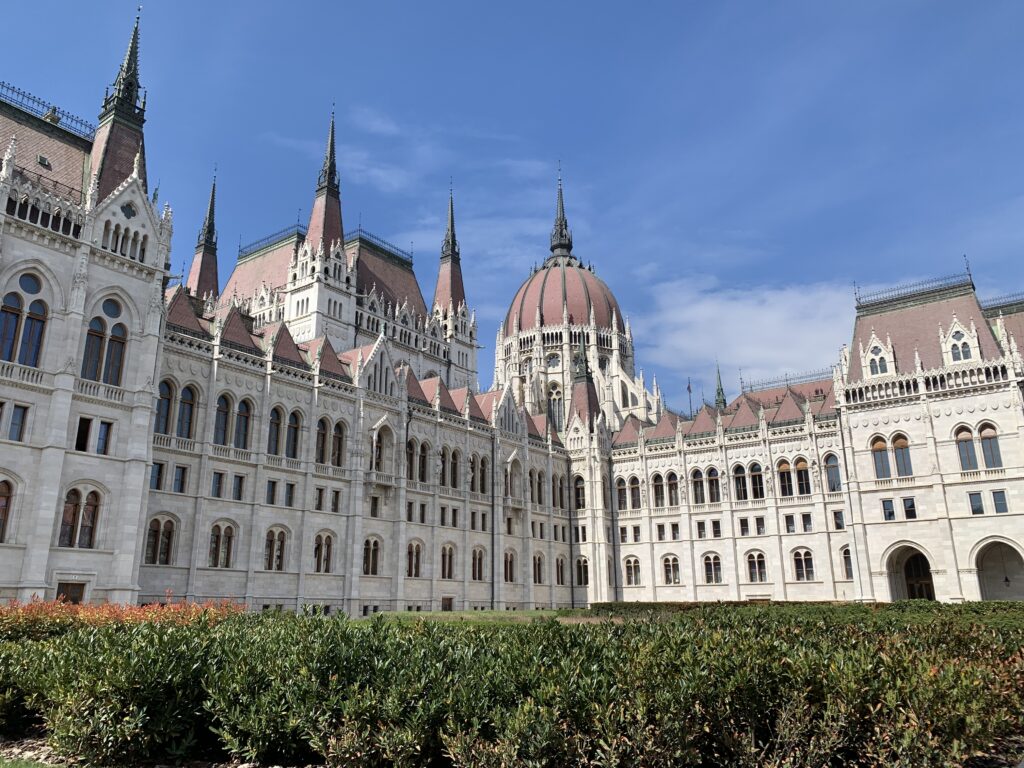
- Hungarian Parliament Building
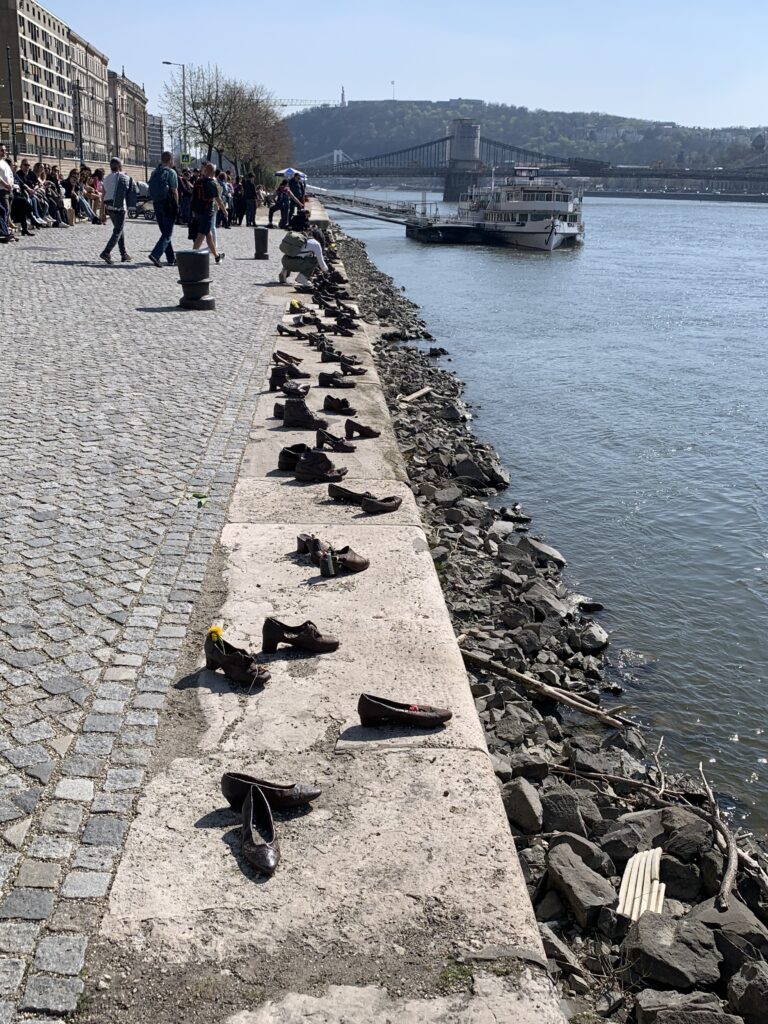
- Shoes on the Danube Bank
- Keleti station
- Grab a Kürtőskalács, or chimney cake, at kiosks around the city
Booking
Booking a ticket from the UK for the Corona proved to be a challenge. Sleeping cars cannot currently be booked online at the, otherwise much improved, Hungarian Railways website. While these cars can be booked on the Romanian Railways website, no discounts can be applied if you already hold a valid ticket. My party of two had an InterRail Pass, and I can obtain a discount using FIP Coupons available to European railway staff.
Another drawback with the CFR website is that it only shows availability for the Corona when the Ister is not available – at least from my observation for a handful of upcoming dates.
Having consulted one UK Travel Agent, International Rail, who were able to book trains in western and most of central Europe, they were unable to book trains between Hungary and Romania. I tried another UK Travel Agent, Rail Canterbury, who saved the day being able to make our reservation for this train.
Explore More with Rail-Away
Whether you’re planning your next adventure or simply enjoy discovering remarkable rail journeys, explore more travel inspiration, practical guides and real journey experiences from across Europe.
Be inspired by real Journey experiences
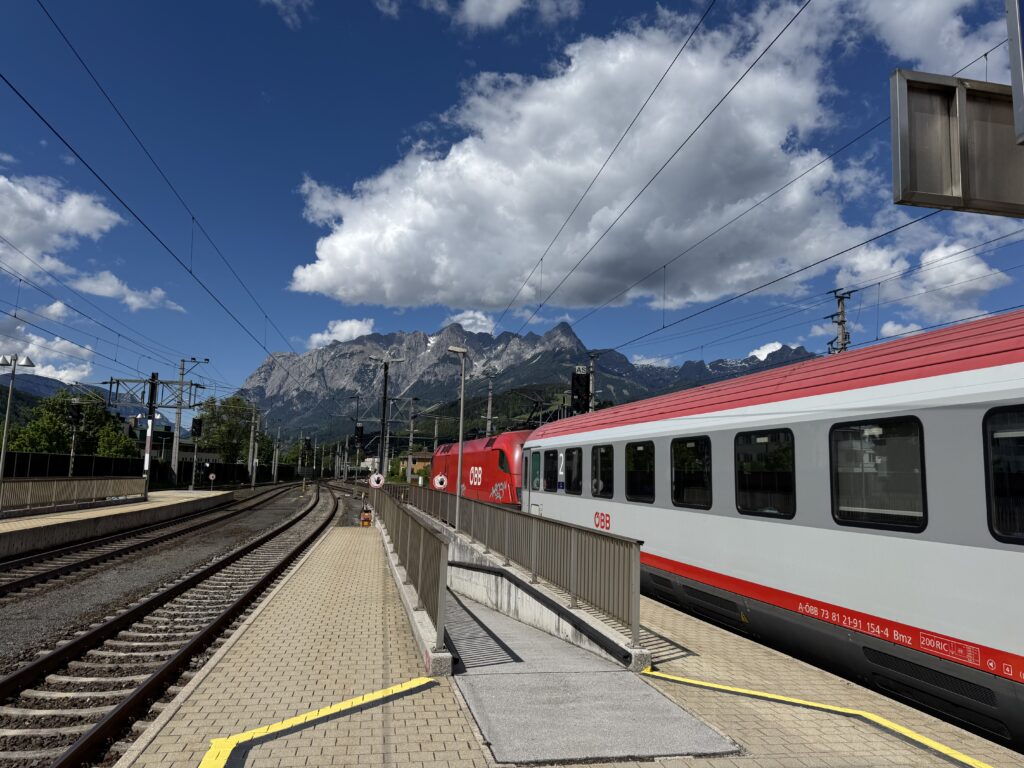
Discover real rail adventures across Europe and beyond, from iconic routes and night trains to hidden gems.
Guides to Get You On Track

Browse practical guides, inspiring itineraries and expert resources to help you explore Europe by train.
Watch the Journey Unfold
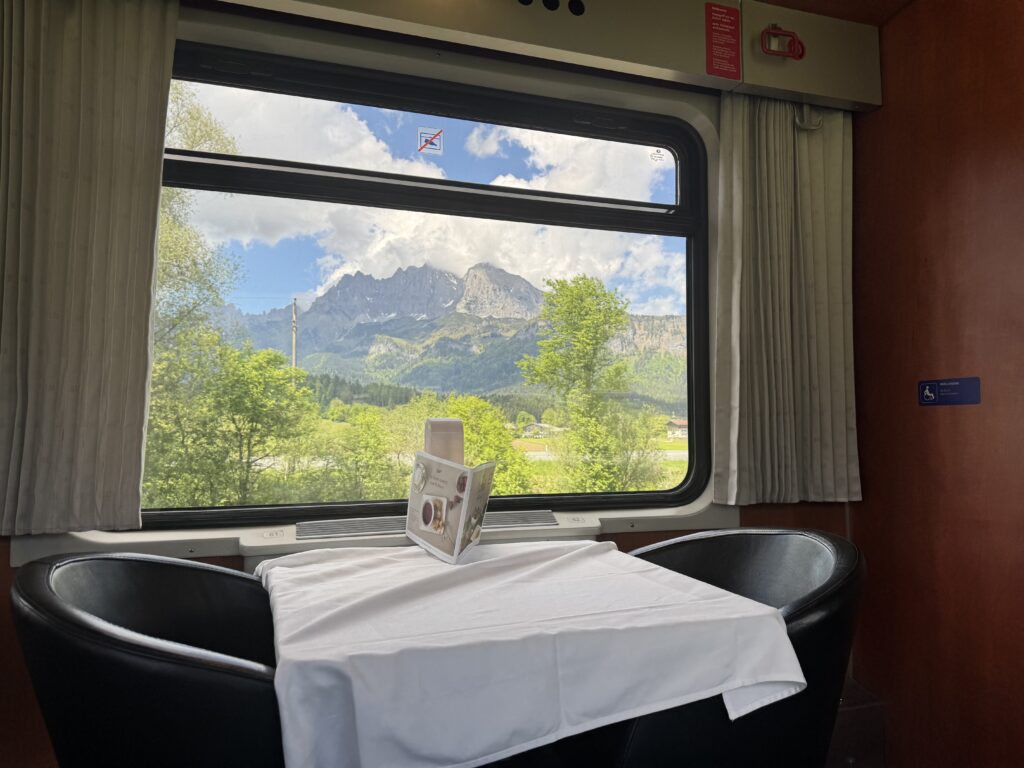
Experience Europe’s most spectacular rail journeys through our videos and witness stunning scenery.
Plan Your Perfect Rail Trip
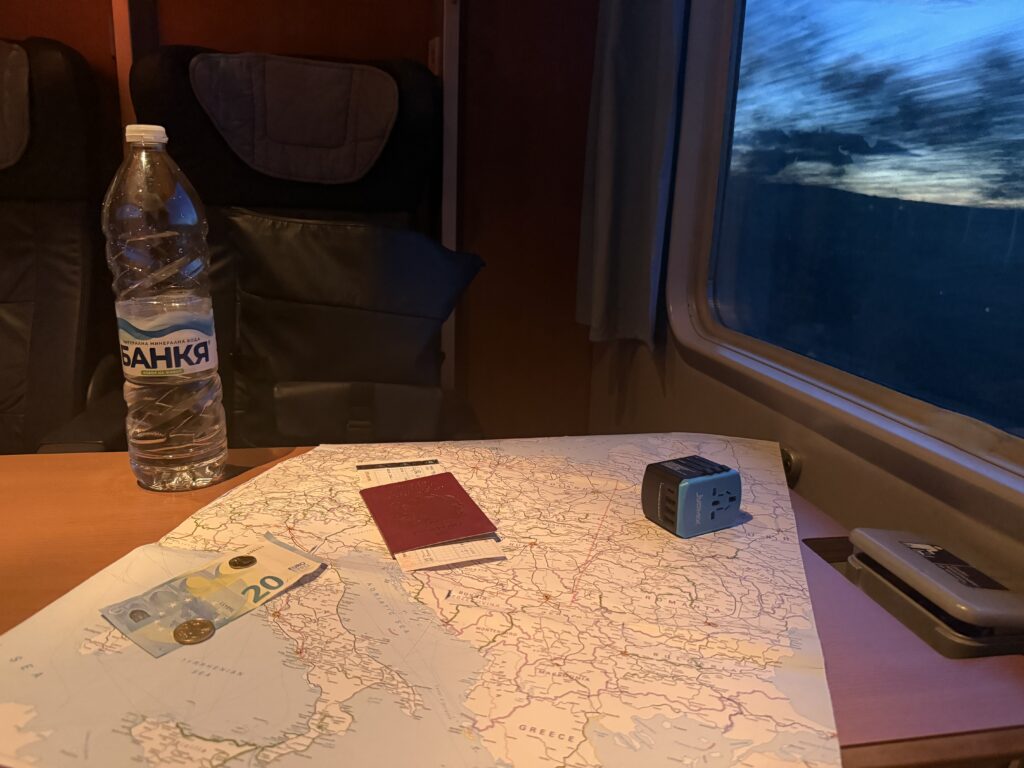
Need a helping hand? Get personalised advice and support to create your perfect European rail adventure.
Onboard the Corona
Sleeping Car
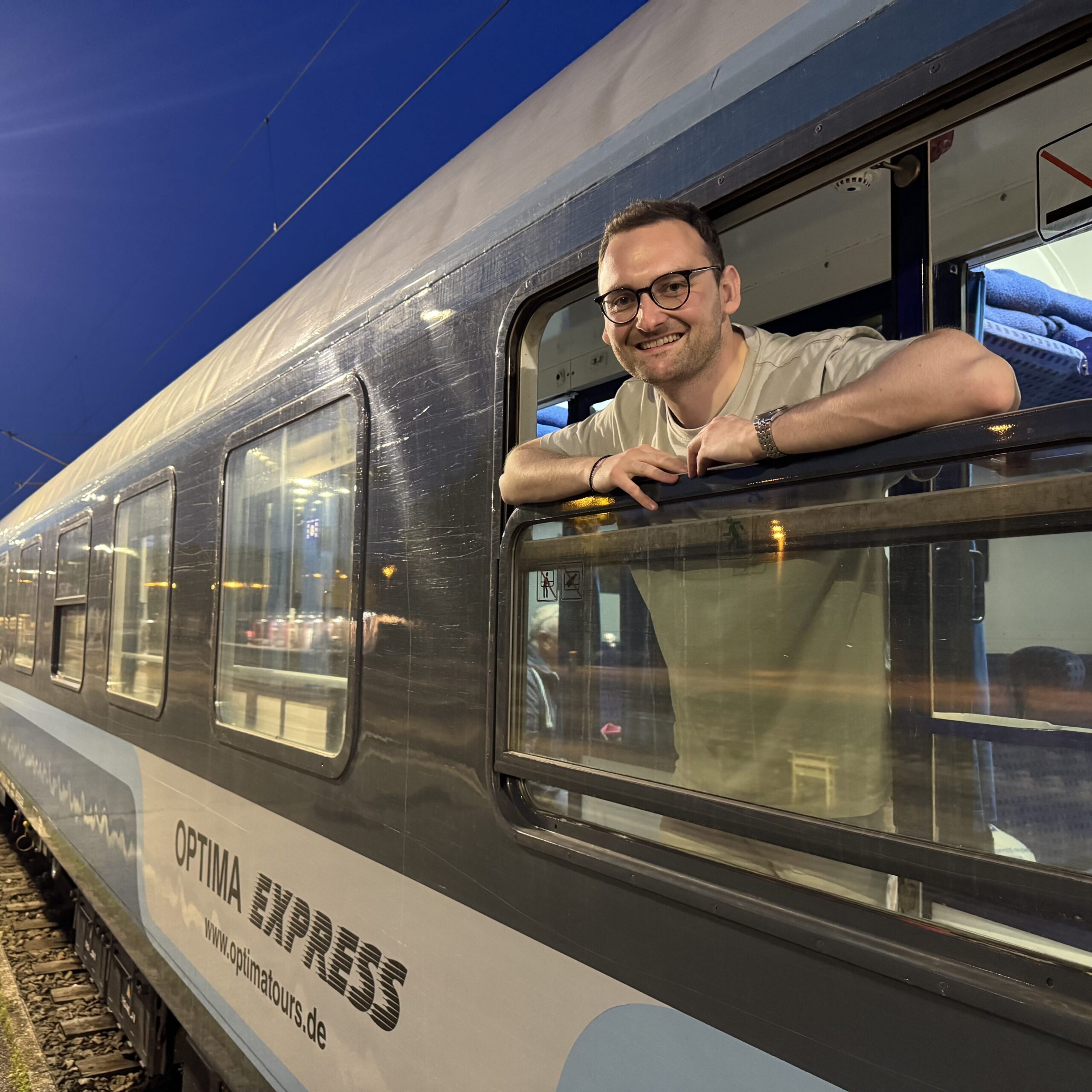
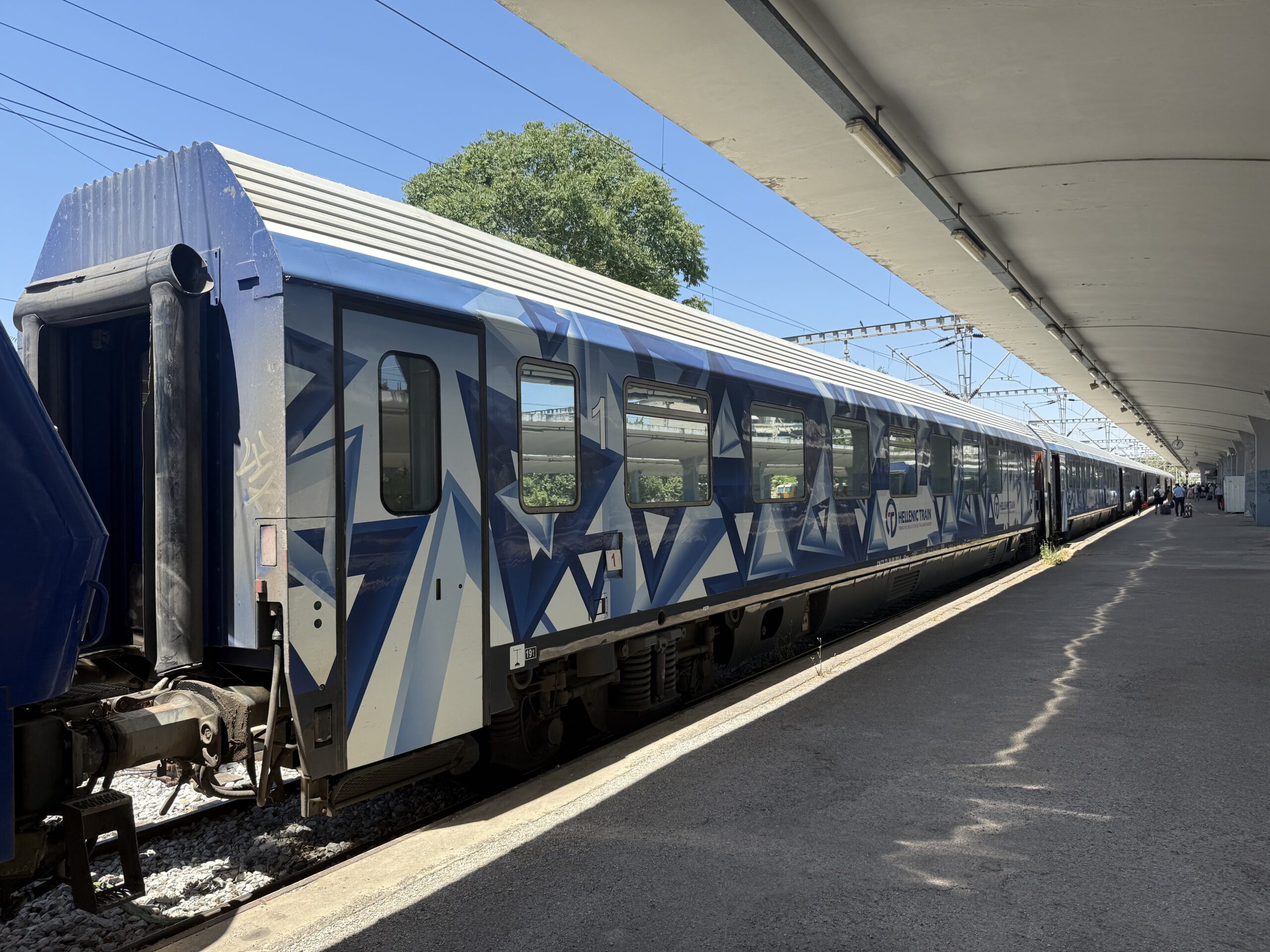
Towards the rear of the five car train was Coach 435, the elderly sleeping car which would be our base for the next 15 hours. Although on some occasions there are refurbished air-conditioned sleepers on this route (as can be seen on VagonWEB), for us today, we would instead be in store for a trip of nostalgia. Not at all a bad thing.
In our comfortable compartment, our two beds were made up ready for us when we arrived, complete with clean bedding and towels. Air-conditioning would be supplied via an open window, and there was a black-out blind and red curtain. The train had clearly been baking in the warm 25°C April sun for the day, so after departure (window down fully) we were brought some very welcome bottled water, multi-vitamin juice, and chocolate wafers on the house.


There was a USB and conventional socket within the cupboard above the sink; however, as explained later, we were not able to use it.
Dining Car
A real treat was the Hungarian Dining Car on the Corona, situated at the centre of the train that stays with the train for the full journey, boasting an extensive menu. Taking full advantage of the early evening meal departure time, we did not waste any time in seeking it out.
Enjoying a substantial beef burger with a few Korona wines (yes, the wine was called that too!), before we knew it, the sun was setting, and we were approaching the Hungarian border. We settled the bill and headed back to the compartment, to be ready with our passports.
It is worth mentioning that as Sleeping Car passengers on the Corona, we were entitled to a free breakfast in the Dining Car in the morning. The Sleeping Car Attendant handed us a voucher with our tickets.


Powerless
Returning to the compartment nicely full, we were surprised to find the Sleeping Car plunged into darkness. Our Sleeping Car Attendant appears out of nowhere to try to tell us what is going on, but we struggle with a mutual language. It appeared that he was telling us that in a few stations we will have power – I assume that he was referring to one of the stations where the locomotive would be changed.
Hopeful our power will return, we sit tight, enjoy the unique experience of travelling in the dark, glancing up at the stars. Resourcefully, we use every opportunity at lit stations to search our luggage for what we need to settle down for the night.
Unfortunately, the power never arrived, with the exception of the corridor that miraculously lit up at the border stations. Following a restful sleep, we woke up to a freezing carriage and frost on the ground in Romania, so we were very glad to be returning to the Dining Car for some sustenance and much needed mobile phone charge.


Couchette Car
Following breakfast in the morning, in search of somewhere warm to sit and power, we head to the Couchette Car, which offered us both. This carriage has been refurbished recently too. Our Sleeping Car Attendant pops his head in to say hello and understandingly nods his head when we tell him we moved to get power.


Seated Car
On the Corona there are two compartment Seated Cars. One was a refurbished car, the other looking more tired but comfortable. Take your pick.


Scenery
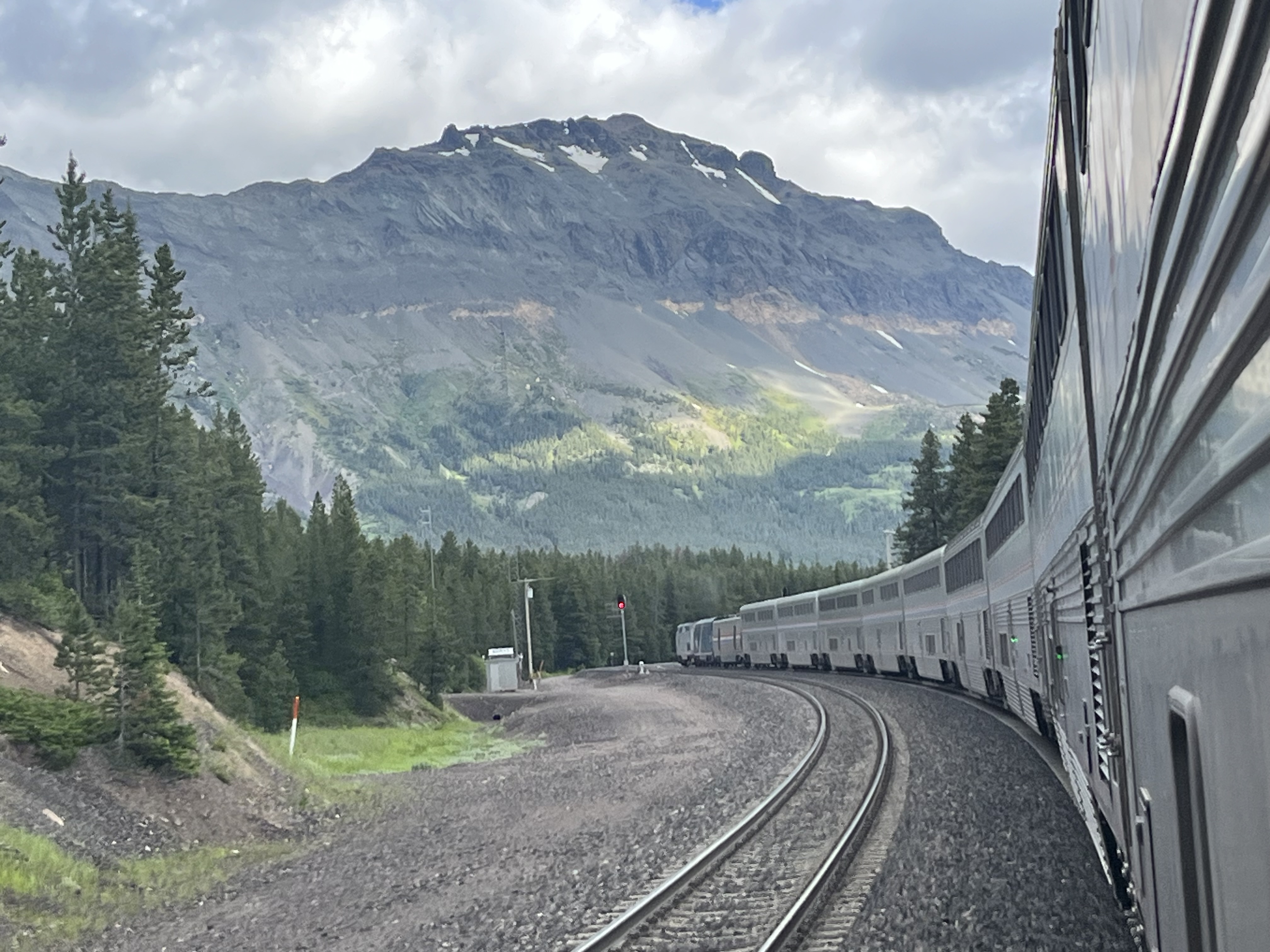
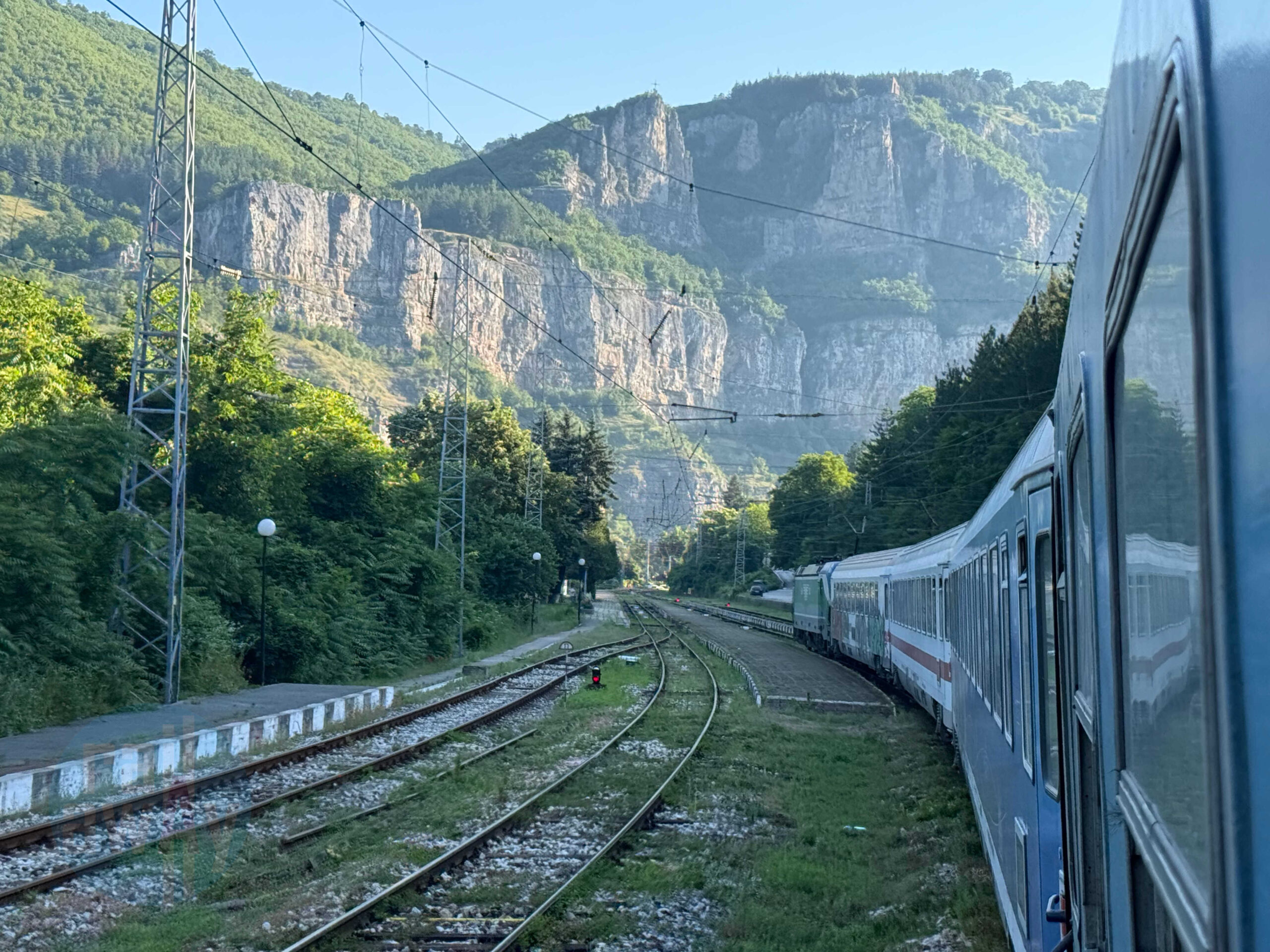
It’s worth heading to the back of the train to see the sunset over the east of Hungary. In the morning, we were greeted to hilly views of Transylvania.


Arrival at Brașov station
We arrived on time after an overall pleasant trip. And, in case you were wondering, we did not catch Coronavirus from the Corona.


Fares
| Journey Leg | Full Price Return* | Global InterRail Pass |
| Budapest to Brașov | 123.73 LEI (25€) + Reservation Fee | Included + Reservation Fee (80€ for two people sharing 2-berth sleeping compartment) |
*pricing valid at the time of writing – May 2022.
This article was first published in May 2022.
See more from Rail-Away

Join 500+ travellers using our expert free train guides!

Travel Europe by Train – Smarter and Easier
Get great routes, fare tips and tricks from our FREE insider guides
Get instant access to:
✓ 3 curated European rail itineraries for your next trip and be inspired
✓ Simple booking and money saving guide and book with confidence
✓ Night train tips and what to expect – optimise your time and experience